
Skin Recovery After Steroid Creams

Written by Dr Rinku Ratti, Skin and Aesthetic Doctor at a doctor-led private GP and aesthetic clinic – The Doctor’s Practice Topical Steroid Withdrawal (TSW) is a complex and often distressing condition that can significantly affect both physical comfort and emotional wellbeing. Many patients experience persistent redness, burning, oozing, swelling, intense itching, and heightened skin sensitivity following the reduction or cessation of long-term topical steroid use. As a doctor working at the interface of medical skin care and aesthetics, my role is to provide safe, evidence-informed and supportive treatment options, without overstating outcomes or offering unrealistic promises. One supportive treatment increasingly explored in dermatology and wound-care settings is Cold Atmospheric Plasma (CAP) therapy. Understanding Topical Steroid Withdrawal (TSW) TSW can develop after prolonged or repeated use of topical corticosteroids, particularly potent preparations or application to delicate skin areas such as the face, neck, or flexures. Common symptoms include: Persistent redness and inflammation Burning, stinging or painful skin Oozing, crusting or scaling Severe itch and discomfort Recurrent flare-ups after steroid withdrawal TSW is not the same as eczema itself. It reflects a rebound inflammatory and vascular response as the skin attempts to re-establish normal barrier function, immune regulation and microbial balance. It is important for this treatment to be medically supervised and regularly reviewed. What Is Cold Atmospheric Plasma (CAP) Therapy? CAP technology is an emerging treatment within medical and aesthetic sciences. It is a form of a specialised therapy to help and support and treat inflamed angry skin. CAP has been widely used in the management of chronic wounds and has gained attention for its applications in skin health due to its ability to: Support wound healing Reduce bacterial load on the skin Promote skin regeneration Do so without thermal damage or tissue injury Importantly, CAP is non-invasive, non-thermal and generally well tolerated, even on sensitive or compromised skin. How CAP Therapy May Help in TSW CAP therapy is not a cure for TSW, but it may play a valuable supportive role within a wider, doctor-led treatment plan and we have had a lot of success and experience at our clinic in treating this successfully and improving patients lives. Current evidence and clinical experience suggest CAP may help by: Supporting Skin Barrier Repair CAP has been shown to stimulate cellular processes involved in wound healing and tissue regeneration, which is particularly relevant in skin with a damaged barrier. Reducing Bacterial Load TSW-affected skin is more vulnerable to secondary infection. CAP has antimicrobial effects that may help reduce bacterial burden without the repeated use of topical antibiotics. Modulating Inflammation By influencing inflammatory signalling pathways, CAP may help calm persistent redness, burning and irritation. Supporting the Skin Microbiome Emerging evidence suggests CAP may help restore microbial diversity, which plays a key role in skin health and barrier recovery. Together, these effects may help ease symptoms and support the skin’s natural recovery process. CAP Therapy as Part of a TSW Treatment Plan At The Doctor’s Practice, CAP therapy is offered as part of a broader, personalised treatment plan, not as a standalone solution. To help ease your TSW symptoms and support recovery, CAP therapy may be introduced alongside: Medical skin assessment Barrier-supportive skincare Infection risk management Ongoing monitoring and reassurance CAP treatment has been shown in clinical settings to be safe and, for many patients, helpful in reducing symptoms and supporting recovery when used appropriately. What to Expect From CAP Treatment Patients often ask what CAP therapy involves. Treatment is: Gentle and non-invasive Typically painless Delivered by trained clinicians Tailored to individual skin sensitivity and severity From our experience, many TSW patients report: Improved comfort in the skin Reduced oozing and irritation Faster wound healing Improved mobility Reduced itch and redness While responses vary, CAP therapy may help patients feel more comfortable during the recovery process, please read our reviews form real patients. Tired of Waiting for Symptoms to Improve? TSW recovery can feel slow and unpredictable. While no treatment offers instant resolution, supportive therapies such as CAP may help accelerate healing processes and improve day-to-day skin tolerance. If you are struggling with persistent symptoms and feel stuck in your recovery, a personalised medical review can help determine whether CAP therapy may be suitable for you. Final Thoughts Topical Steroid Withdrawal is a challenging condition that requires patience, reassurance and continuity of care. CAP therapy represents a promising supportive option within a medically supervised approach, particularly for patients with persistent inflammation, skin breakdown or infection risk. As always, treatment decisions should be individualised and guided by careful medical assessment. Evidence & Further Reading National Eczema Society – Topical Steroid Withdrawal PubMed – Topical Corticosteroid Withdrawal PubMed – Cold Atmospheric Plasma in Dermatology PubMed – Cold Atmospheric Plasma and Wound Healing Birmingham based TSW treatments
Magnesium and Testosterone: Can It Naturally Improve Hormone Levels? — A Doctor’s Guide
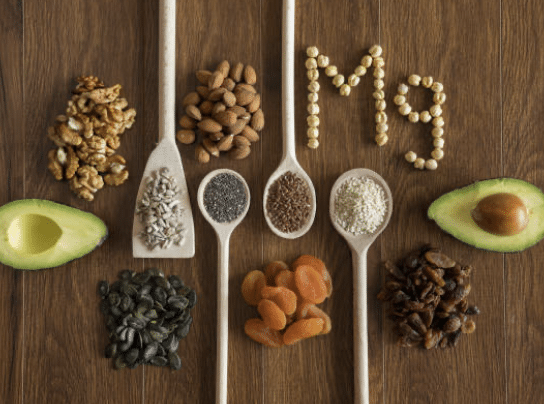
A doctor’s evidence-based explanation of the science, symptoms and pathways behind this topic. Written by Dr Bikram Ratti MBBS (London) MRCGP Private GP & Men’s Health Specialist The Doctor’s Practice, Birmingham Instagram: @drbikofficial | @thedoctorspractice Table of Contents Introduction The Science Behind Magnesium and Testosterone Biological Mechanisms Symptoms & Clinical Patterns Latest Research Myths vs Facts Evidence-Based Treatments Lifestyle & Medical Routine Assessment at The Doctor’s Practice FAQs Personal Note Book an Appointment with Dr Bik References Introduction At our doctor-led clinic in Edgbaston, Birmingham, I meet many men who describe feeling flat — not unwell, but certainly not themselves. They’re often training hard, managing high-pressure jobs, sleeping lightly, and relying on caffeine to stay alert. Over time, this combination quietly depletes the body’s reserves, particularly magnesium, a mineral essential for over 300 biochemical reactions, including testosterone regulation. Magnesium is not a “testosterone booster,” but without it, your hormonal system cannot operate efficiently. Men who optimise their magnesium levels often report clearer thinking, deeper sleep, stronger workouts and a noticeable uplift in energy and mood. This builds on my earlier article — The Science Behind Vitamin D, Magnesium, and Zinc: Natural Strategies to Optimise Testosterone Levels Here, we explore magnesium on its own: how it supports testosterone, what the research shows, and when supplementation genuinely helps. The Science Behind Magnesium and Testosterone Magnesium affects testosterone through several interconnected pathways: Sleep quality, which governs overnight testosterone production SHBG regulation, influencing free testosterone Inflammation control, protecting Leydig cell function Energy production, central to hormone synthesis Stress modulation, preventing cortisol from suppressing testosterone A study in Biological Trace Element Research showed that magnesium supplementation improved total and free testosterone levels in both active and sedentary men. (PubMed) Magnesium does not artificially elevate testosterone — it restores the hormonal environment required for healthy production. Biological Mechanisms 3.1 Magnesium and SHBG Magnesium helps reduce excessive SHBG binding, resulting in a higher proportion of bioavailable testosterone — the form men feel in terms of strength, libido and vitality. 3.2 Deep Sleep and Testosterone Synthesis Most testosterone is produced during slow-wave sleep. Magnesium supports the GABA pathways that enable restorative sleep, which is why many men notice improvements in mood and energy before their blood markers change. 3.3 Anti-Inflammatory Effects Low-grade inflammation suppresses Leydig cell function. Magnesium contributes to lowering inflammatory cytokines, indirectly protecting testosterone output. 3.4 Mitochondrial Energy Magnesium is required to generate ATP — the currency of energy. Without it, the body’s ability to sustain hormone production declines. 3.5 The Stress Response Chronic stress elevates cortisol, which suppresses testosterone. Magnesium helps regulate the HPA axis, supporting hormonal resilience. Symptoms & Clinical Patterns Magnesium deficiency often presents subtly, with symptoms such as: Light or disrupted sleep Muscle tightness, twitching or cramps Reduced recovery after exercise Irritability or low mood Increased stress sensitivity Fatigue despite adequate rest Diminished libido or energy High SHBG on blood tests Men often describe feeling “tired but wired” — a classic magnesium-linked picture. Latest Research Modern research continues to validate magnesium’s role: Biological Trace Element Research: Magnesium supplementation increased testosterone particularly in active men. https://pubmed.ncbi.nlm.nih.gov/20352370/ Nutrients: Higher magnesium intake correlated with improved muscle mass and hormonal markers. https://pubmed.ncbi.nlm.nih.gov/35329054/ Journal of Endocrinology: Magnesium influenced SHBG and testosterone bioavailability. https://pubmed.ncbi.nlm.nih.gov/31584568/ Sleep Medicine Reviews: Magnesium improved sleep quality, a key determinant of testosterone production. https://pubmed.ncbi.nlm.nih.gov/25783506/ The consistent message: Optimising magnesium — especially where deficiency exists — supports hormonal balance, energy and overall wellbeing. Myths vs Facts MYTH 1: Magnesium drastically raises testosterone. FACT: Magnesium supports healthy testosterone levels but only significantly improves levels when men are deficient. MYTH 2: All magnesium supplements are equal. FACT: Magnesium glycinate and citrate are better absorbed and gentler on the stomach. MYTH 3: Food intake alone is enough. FACT: Soil depletion, stress, heavy training and poor sleep make deficiency extremely common. MYTH 4: Magnesium works instantly. FACT: Benefits typically appear gradually — especially improved sleep and recovery. Evidence-Based Treatments When Magnesium Helps Confirmed deficiency on blood testing Symptoms of poor sleep, low recovery or persistent fatigue High training loads, especially resistance training Elevated SHBG or low free testosterone Chronic stress or anxiety patterns When Magnesium Alone Won’t Solve the Issue When symptoms arise from underlying conditions such as: Thyroid disorders Obesity or insulin resistance Pituitary dysfunction Severe sleep deprivation Chronic inflammatory states These require broader evaluation through our Men’s Health Service: https://thedoctorspractice.co.uk/services/mens-health/ Related Reading How magnesium works alongside zinc and Vitamin D: https://thedoctorspractice.co.uk/the-science-behind-vitamin-d-magnesium-and-zinc-natural-strategies-to-optimise-testosterone-levels/ Lifestyle & Medical Routine A practical, medical-grade optimisation plan may include: 300–450 mg of magnesium glycinate in the evening Strength training 3–4 times per week Prioritising deep sleep and consistent routines Reducing alcohol consumption Incorporating leafy greens, nuts, seeds and whole grains Combining magnesium with Vitamin D and zinc where indicated Regular monitoring through our Tests & Diagnostics service https://thedoctorspractice.co.uk/services/tests-diagnostics/ Magnesium thrives within a total-health framework, not in isolation. Assessment at The Doctor’s Practice At The Doctor’s Practice — a private GP-led clinic in Edgbaston, Birmingham — we provide a structured, detailed assessment for men experiencing fatigue, reduced libido or hormonal changes. Your evaluation may include: Comprehensive medical consultation Testosterone panel: total, free, SHBG, LH, FSH Micronutrient testing: magnesium, zinc, Vitamin D Thyroid and metabolic profiling Sleep, training and lifestyle review Personalised supplementation guidance Follow-up to track hormonal and clinical improvements Our aim is clarity, safety and evidence-based treatment — not guesswork. FAQs Can magnesium increase testosterone? Yes — particularly in men who are deficient. When will I notice improvements? Sleep and recovery often improve within 2–3 weeks; hormonal changes may take 4–8 weeks. Which magnesium is best? Magnesium glycinate is typically the most effective and best tolerated. Can I take magnesium with zinc and Vitamin D? Yes — the three often work synergistically. Should I test before taking magnesium? Testing ensures precise treatment and avoids over-supplementation. Is hormone and micronutrient testing available in Birmingham? Yes — testing is available at our Edgbaston clinic. Personal Note Over years of clinical practice, magnesium has consistently been one of the most rewarding minerals to optimise. Men often notice changes they didn’t realise were connected: calmer mood, better sleep, stronger workouts and a renewed sense
Hidden Medical Causes of Hyperpigmentation | The Doctor’s Practice Birmingham

Hyperpigmentation is not just “sun damage.” Dr Rinku Ratti explains the medical causes—hormones, inflammation, deficiencies, medication effects—and how to diagnose & treat pigmentation properly. Hidden Medical Causes of Hyperpigmentation That Most People Don’t Know About By Dr Rinku MBBS (London) MRCGP – Private GP & Women’s Health Doctor at The Doctor’s Practice, Birmingham Instagram: @drrinkuofficial | @drrinkuofficial Introduction Hyperpigmentation is one of the most common concerns I see in clinic. Women tell me: “My pigmentation has come out of nowhere.” “No matter what I use, it always comes back.” “I’ve spent so much on products but nothing seems to help.” And in many cases, they’re right: because pigmentation is often not a skincare problem — it’s a medical one. Of course sun exposure plays a role, but in clinic I routinely diagnose underlying causes such as: Hormonal fluctuations Thyroid problems Insulin resistance Vitamin deficiencies Post-inflammatory skin responses Medication-related pigmentation Perimenopause-related changes This blog uncovers the lesser-known causes of pigmentation — and why treating the root is essential. The Deep Medical Causes of Hyperpigmentation 1. Hormonal Shifts — The Melasma Connection Melasma is one of the most hormonally-driven pigmentation disorders. Research published in The British Journal of Dermatology (2020) explains that fluctuations in oestrogen and progesterone increase melanocyte activity, particularly in women in their 30s–50s. This is why pigmentation often worsens: During perimenopause With hormonal contraception During pregnancy With HRT adjustments Around menstrual cycle fluctuations Women frequently tell me, “It appears in the same places every time.” This is classic hormonal-melanocyte patterning. 2. Insulin Resistance – An Overlooked Cause of Pigmentation One of the clearest indicators of insulin resistance is Acanthosis Nigricans—darkened, velvety pigmentation often seen on the: Neck Underarms Groin Knuckles A 2021 study in Clinical Endocrinology found that even mild insulin resistance can lead to pigmentation via growth-factor signalling in the skin. Women at highest risk include those with: PCOS Midlife weight gain Sugar cravings Fatigue after meals Family history of diabetes This is why we often include glucose metabolism tests in our Comprehensive Health Screening: https://www.thedoctorspractice.co.uk/health-screening 3. Vitamin Deficiencies & Anaemia Low levels of: Vitamin B12 Folate Iron Vitamin D can all contribute to: Diffuse pigmentation Under-eye darkening Poor healing Dull, uneven tone A review in Dermato-Endocrinology (2019) highlights the role of nutritional deficiencies in increasing oxidative stress—making pigmentation harder to fade. You would be surprised how many patients discover their pigmentation was linked to a deficiency uncovered during their blood tests. Our GP-led screening is here: https://www.thedoctorspractice.co.uk/gp-services 4. Thyroid Dysfunction Both hypothyroidism and hyperthyroidism can change the way melanocytes behave. A 2020 paper in Endocrinology Research demonstrated that thyroid hormones influence melanin production, contributing to: Generalised darkening Facial pigmentation Patchy uneven tone Women often present with fatigue, hair changes and pigmentation together — and thyroid imbalance is the link. 5. Post-Inflammatory Hyperpigmentation (PIH) PIH happens after: Acne Eczema Sunburn Injuries Picking/squeezing spots Allergic rashes Inflammation triggers excess melanin production. This is particularly common in skin of colour, and can last months to years without proper treatment. Treating PIH often requires: Identifying the inflammatory trigger Reducing inflammation medically Gentle skin therapies (chemical peels, microneedling, polynucleotides) Our doctor-led aesthetic department manages this precisely: https://www.thedoctorspractice.co.uk/aesthetics 6. Medication-Induced Pigmentation Some medications are known to cause pigmentation, especially: Oral contraceptives Anticonvulsants Certain antibiotics (tetracyclines) NSAIDs Chemotherapy Amiodarone Anti-malarials A review in Drug Safety (2021) showed drug-induced pigmentation can persist even after stopping the medication. This is why your medication history is crucial. Myths & Facts (Bullet Format) Myth: Hyperpigmentation is just sun damage. Fact: Hormones, deficiencies, inflammation, medications and thyroid issues all contribute. Myth: Only laser treatments can fix pigmentation. Fact: Internal metabolic and hormonal correction is often far more effective. Myth: Vitamin C alone can cure pigmentation. Fact: It helps — but won’t work if underlying inflammation or hormones are unbalanced. Myth: Pigmentation will fade on its own if you avoid the sun. Fact: Without treating root causes (hormones, insulin, deficiencies), it often persists or returns. Myth: Only older women get pigmentation. Fact: Melasma, PIH and medication-related pigmentation can occur at any age. Evidence-Based Treatments That Actually Work 1. Medical Screening First — Not Guesswork We start by identifying underlying triggers such as: Hormonal imbalance Iron, B12, folate, vitamin D deficiency Thyroid disorders Insulin resistance Post-inflammatory triggers This is why many patients start with a Health Screening to uncover hidden metabolic links: https://www.thedoctorspractice.co.uk/health-screening 2. Hormonal Management for Melasma This may include: Adjusting contraception Managing perimenopause Treating PCOS Considering HRT optimisation A 2023 review in Women’s Dermatology shows HRT adjustments can significantly impact pigmentation. 3. Repletion of Key Deficiencies Correcting deficiencies can support: Faster fading of pigmentation Better skin healing Reduced oxidative stress This often includes: Vitamin D B12 / folate Iron Zinc Omega-3 Antioxidant-rich diet 4. Aesthetic Treatments (Doctor-Led) Once the medical side is addressed, pigmentation responds far better to: Chemical peels (for PIH, melasma, Cosmelan) Polynucleotides (improves inflammation + texture) Microneedling (evens tone, boosts collagen) Targeted pigmentation protocols Skin boosters (restore hydration, reduce dullness) Our clinic specialises in doctor-led skin treatments: https://www.thedoctorspractice.co.uk/aesthetics 5. Daily Skin Routine That Makes a Difference Morning: Gentle cleanser Vitamin C serum SPF 50 (non-negotiable) Evening: Retinoid (if suitable) Niacinamide Barrier-repair moisturiser Weekly: Exfoliation In-clinic treatments if advised Most importantly: consistency and medical guidance. How We Assess Hyperpigmentation at The Doctor’s Practice Your consultation includes: Full skin examination Hormonal review (where relevant) Medication review Blood tests for deficiencies + thyroid + insulin resistance Inflammation mapping Menopause/perimenopause review Aesthetic suitability assessment Bespoke skin plan Ongoing follow-up This integrated model — GP + women’s health + aesthetics — is what makes results stronger and longer lasting. Frequently Asked Questions 1. Why is my pigmentation getting worse as I age? Hormonal changes, slower cell turnover, sun history and deficiencies all contribute. 2. Is there a
Vitamin Deficiencies and Skin Health — The Hidden Link | The Doctor’s Practice Birmingham
Many skin problems stem from hidden vitamin or mineral deficiencies. Dr Rinku Ratti explains how Vitamin Deficiencies And Skin Health are linked & how trace elements affect skin health — and why full health screening can reveal contributing causes for acne, dryness, pigmentation or poor healing. Vitamin Deficiencies & Skin Health: Why a Full Health Screen Matters By Dr Rinku MBBS (London) MRCGP – Private GP & Women’s Health Doctor at The Doctor’s Practice, Birmingham Instagram: @drrinkuofficial | @thedoctorspractice Introduction In clinic, I frequently see patients frustrated by persistent skin issues — dryness that never improves, recalcitrant acne, pigmentation that won’t budge, slow-healing skin lesions or brittle nails. They’ve tried serums, peels, diets — yet nothing works. What many don’t realise is that the skin is often the first organ to speak when something is off internally — when there is a deficiency in essential vitamins or minerals. That’s why at The Doctor’s Practice I often recommend a full health screening before layering on more skincare: sometimes, the missing piece isn’t topical — it’s nutritional. In this blog I explain how vitamin and mineral deficiencies commonly impact skin health — what evidence we have, what to watch out for — and why a health screen is so useful. How Vitamin & Mineral Deficiencies Affect Skin — Medical Insight 1. The Role of Vitamins & Minerals in Skin Structure and Immunity Skin is one of the most metabolically active organs in the body and relies heavily on adequate nutrition for: Collagen and elastin synthesis Antioxidant defence Skin barrier integrity Immune surveillance and wound repair Vitamins such as C and A contribute to new-cell formation and collagen synthesis; vitamin C is also a potent antioxidant that helps skins resist UV and oxidative stress. A review of nutritional supplements for skin health concluded that vitamin C supports collagen biosynthesis and helps prevent photodamage and premature skin ageing. Minerals such as zinc are also central. Zinc has antibacterial and anti-inflammatory effects, can reduce sebum secretion, and supports wound healing and skin repair. In short: without adequate vitamins/minerals, skin structure, resilience, and repair mechanisms are impaired. 2. Vitamin D — Immune Function, Inflammation Control & Skin Health Vitamin D is not just for bone health: it plays a crucial role in skin immunity, barrier regulation, and inflammation control. Keratinocytes (the main skin cells) can synthesize the active form of vitamin D locally — which helps regulate antimicrobial peptides and skin barrier function. Low vitamin D levels have been associated with numerous skin disorders — including acne, atopic dermatitis, psoriasis, and delayed wound healing. Specifically, a meta-analysis involving over 1,300 acne patients demonstrated significantly lower 25-OH vitamin D levels compared to control subjects — and found an inverse correlation between vitamin D levels and acne severity. Thus, vitamin D deficiency is a common and often overlooked contributor to inflammatory and chronic skin issues. 3. Zinc (and Trace Elements) — Key for Inflammation, Oil Balance & Healing Zinc deficiency is frequently underdiagnosed, yet it can manifest with skin dryness, increased inflammation, impaired barrier, slower healing, acne, or dermatitis-like issues. In a 2024 case-control study of 100 acne patients vs controls, serum zinc (and vitamin D) levels were significantly lower among those with acne, and lower zinc correlated with greater acne severity. Mechanistically, zinc helps regulate inflammation, modulates sebum/oil production, supports skin repair and reduces oxidative stress — all fundamental for healthy skin. 4. B-Vitamins (Especially B12) & Other Nutrient Deficiencies — Pigmentation, Dryness & Barrier Problems Deficiency in vitamin B12, and other B-vitamins, may lead to specific cutaneous signs: hyperpigmentation, nail changes, hair alteration, dryness, stomatitis or mucosal changes. A 2023 study found a significantly higher proportion of B12 deficiency in acne patients compared to controls (38.6% vs 21.1%, p = 0.041), suggesting that B12 deficiency may worsen or predispose to acne / skin inflammation in some individuals. Moreover, nutritional deficiencies (iron, zinc, vitamins, trace minerals) have been linked with a range of dermatological changes — dryness, poor healing, pigmentation changes — especially when combined with absorption issues or restrictive diets. 5. When Deficiency Is Not Obvious — The Hidden Risk in Modern Lifestyles In contemporary UK (and globally), there’s a surprising prevalence of mild-to-moderate micronutrient insufficiency. Causes include reduced sun exposure (affecting vitamin D), restrictive diets (vegetarian/vegan), poor gut absorption, processed-food diets, or ageing digestive capability. These “subclinical” deficiencies may not cause overt disease like anaemia — but they can silently undermine skin health, immunity, healing, and inflammatory balance. That is why even subtle skin complaints — dryness, dullness, acne, slow healing — warrant a comprehensive health screen rather than only topical skincare. Common Myths: “If I eat a balanced diet, I won’t have skin-affecting deficiencies.” “Skin problems are always cosmetic — nothing to do with nutrition.” “Supplements will fix all skin issues.” “Topical skincare is enough to fix skin health.” “Only severely deficient people get skin changes.” Facts that you may not know: Many people — even those who “eat well” — are deficient in vitamin D, zinc or B-vitamins, especially if sun exposure or absorption is poor. Skin is a sensitive “mirror” of internal health — deficiencies can cause dryness, acne, pigmentation, poor healing. Supplements help only when there’s an identifiable deficiency — indiscriminate use may be ineffective or harmful. Without correcting underlying nutritional or metabolic issues, topical treatments often under-perform. Even mild deficiencies can slowly impair skin barrier, immunity and repair function over time. What Actually Helps: Evidence-Based Approach to Skin & Nutrition 1. Full Nutritional & Micronutrient Screening as First Step At The Doctor’s Practice, our Comprehensive Health Screening includes checks of: Vitamin D (25-OH) Zinc, selenium, iron, ferritin B-vitamins (especially B12) Basic metabolic and inflammatory markers Dietary and gut-health history It helps us identify hidden nutritional gaps that may be driving skin issues — before prescribing aesthetic or topical treatments. https://www.thedoctorspractice.co.uk/health-screening 2. Targeted Repletion or Dietary Optimisation Where deficiencies
TSW vs Eczema: What’s the Difference — Risks, Reality & What Works | The Doctor’s Practice Birmingham
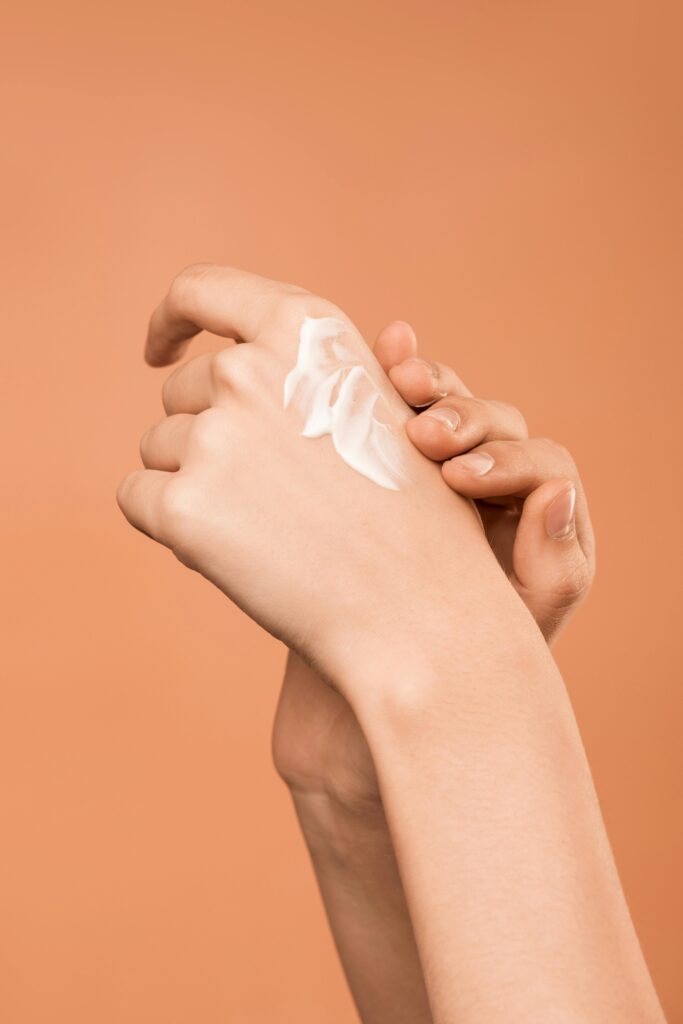
Topical steroid withdrawal (TSW) is increasingly recognised as a condition distinct from eczema. Dr Rinku Ratti explains the medical evidence, why TSW occurs, how it differs from chronic eczema, and what genuinely helps — from careful withdrawal to supportive therapies including emerging CAP approaches. TSW vs Eczema: Understanding the Difference and Medical Approach By Dr Rinku MBBS (London) MRCGP – Private GP & Women’s Health Doctor at The Doctor’s Practice, Birmingham Instagram: @drrinkuofficial | @thedoctorspractice Introduction In my clinic, I increasingly meet patients with eczema who’ve followed the standard advice — topical steroid creams — for years. Then, one day, they stop. Instead of improvement, their skin becomes fiery red, burning, peeling, painful — worse than ever. They are often told “it’s just a severe eczema flare”, or “you haven’t applied the cream correctly”. But more and more research suggests there is a real phenomenon behind these reactions: Topical Steroid Withdrawal (TSW) — a condition that can mimic, but is medically distinct from, typical eczema or Atopic Dermatitis (AD). This blog examines what we do know, what remains uncertain — and most importantly, how we approach TSW safely, compassionately and based on evidence. What Is TSW (Topical Steroid Withdrawal)? And How Is It Different to Eczema? 1. TSW Defined — A Distinct Reaction, Not Just “Bad Eczema” TSW is a syndrome characterised by redness, burning, itching, peeling, and often oozing of the skin — typically after prolonged use of medium- to high-potency topical corticosteroids, then sudden cessation. Recent work from National Institutes of Health (NIH) indicates that TSW may be a separate dermatological condition, distinct from eczema — driven by a metabolic imbalance (e.g. accumulation of certain mediators) rather than the immune-mediated inflammation typical of AD. In some cases, TSW skin becomes red and inflamed in areas that were not previously affected, sometimes spreading beyond the original eczema patches. In contrast, eczema/AD is a chronic inflammatory skin disease rooted in genetic predisposition, barrier dysfunction, immune dysregulation, often with a history of flares and remission. Topical steroids treat the inflammation — but if used excessively, may lead to TSW instead of resolution. 2. What Research Says (and Doesn’t Yet Know) A 2015 systematic review concluded that TSW is “likely a distinct clinical adverse effect of topical corticosteroid misuse”. However, the quality of evidence remains low; many studies rely on patient reports, case series, or online support-group data rather than rigorous trials. A 2023 observational study among adults previously diagnosed with AD reported patient-reported TSW symptoms after steroid cessation — highlighting variability in presentation, duration and severity. Importantly, animal and cellular work suggests mechanisms may involve withdrawal-induced vasodilation, skin-barrier collapse, cytokine fluxes and microbiome changes — different from classical eczema inflammation. In short: TSW is increasingly accepted as a real, medically important phenomenon — but many aspects remain uncertain (prevalence, risk thresholds, individual susceptibility, optimal management). What Actually Helps: Evidence-Based Approach to TSW & Eczema 1. Medical Supervision & Careful Tapering If TSW is suspected, it should be managed under medical supervision — abrupt withdrawal is risky, especially if high-potency steroids have been used for long periods. Clinical guidelines advise careful tapering, skin monitoring and supportive care. At The Doctor’s Practice, we begin with a detailed skin history, potency and duration of steroid use, pattern of withdrawal, current skin status — to differentiate TSW from eczema flare, infection, or other dermatitis. 2. Gentle Barrier Repair & Skin Support Because TSW often involves barrier breakdown, vasodilation and inflammation, the mainstay is not aggressive steroids or exfoliation — but barrier repair, moisturisation, gentle cleansing, hydration, and avoidance of irritants. We may also use topical calcineurin inhibitors or non-steroid anti-inflammatories under supervision when needed. 3. Emerging Therapies: What About CAP? One of the most promising areas of interest is Cold Atmospheric Plasma (CAP) Therapy — a newer technology showing potential for managing chronic inflammatory skin conditions and supporting barrier repair, reducing microbial colonization, and improving skin healing. A number of patients with severe TSW have sought CAP-based clinics abroad, and at our practice reporting improvements in inflammation and skin integrity after months of conventional withdrawal. Though clinical trial data remain sparse, early case series and mechanistic studies suggest CAP may help restore skin barrier, modulate skin microbiome, and reduce inflammatory signals — all of which align with our understanding of TSW pathophysiology. At The Doctor’s Practice we stay abreast of emerging therapies and support patients in evidence-based, medically supervised decisions. If CAP becomes more widely validated, we will consider it as part of a multi-modal plan — but always with transparent discussion about benefits, limitations and risks. 4. Holistic Care: Nutrition, Stress, Microbiome, Mental Health TSW is not only skin-deep. Many patients describe profound distress — physical discomfort, insomnia, social isolation, anxiety. We address these aspects with a holistic plan: Gentle, non-irritating hygiene and skin care Nutrition rich in antioxidants, anti-inflammatory nutrients, omega-3s Sleep hygiene and stress management Skin barrier support (moisturisation, protective emollients) Psychological support when needed We integrate this with our other services (GP care, comprehensive skin assessment, health-screening) — always tailoring to the individual’s history and needs. Simple Routine & Practical Steps (If You Suspect TSW) Stop or taper topical steroids under medical supervision — do not self-stop. Use gentle, fragrance-free cleansers and rich barrier moisturisers. Avoid aggressive exfoliation, retinoids or new strong topicals until skin stabilises. Maintain hydration, balanced diet, omega-3 intake. Protect skin from irritants (harsh soaps, strong detergents, abrasive fabrics). Seek regular follow-up to monitor skin and systemic symptoms. Engage support for stress, sleep, mental health if needed. How We Assess & Manage TSW/Eczema at The Doctor’s Practice When you come to us with suspected TSW or problematic eczema, our pathway includes: Detailed consultation about your skin history (length and potency of steroid use, areas treated, previous responses, withdrawals) Full skin and systemic examination (barrier function, signs of inflammation, infection, microbiome issues) Exclusion of alternative diagnoses:
Perimenopause & Adult Acne: The Hidden Hormonal Link | The Doctor’s Practice Birmingham

Perimenopause & Adult Acne: The Hidden Hormonal Link No One Talks About By Dr Rinku MBBS (London) MRCGP – Private GP & Women’s Health Doctor at The Doctor’s Practice, Birmingham Instagram: @drrinkuofficial | @thedoctorspractice Introduction I meet so many women in their late 30s, 40s and early 50s who sit down in the consultation room and say: “Why am I getting acne again? I thought I left this behind in my teens.” “Every month, just before my period, the breakouts are worse.” “My skin, my mood, my sleep… everything feels different.” What many women don’t realise is that perimenopause and acne are closely linked — far more than most clinics explain. Perimenopause isn’t “light menopause.” It is a turbulent hormonal shift where oestrogen rises and falls unpredictably, progesterone gradually declines, and androgen sensitivity increases. These internal changes show up on the outside — especially on the skin. Adult acne in perimenopause has real medical causes, and when we treat the root, the skin transforms. Let’s break down exactly why it happens. The Deep Medical Causes of Perimenopausal Acne 1. Falling Oestrogen Increases Androgen Sensitivity During perimenopause, oestrogen becomes erratic while progesterone slowly declines. A review in The Journal of Clinical Endocrinology & Metabolism (2020) showed that this imbalance increases androgen receptor sensitivity, even if blood testosterone levels are “normal.” This is why women often notice: Chin and jawline acne Deep, cystic breakouts Monthly flares Acne that is resistant to skincare It isn’t “blocked pores.” It’s hormones shifting faster than the skin can adapt. 2. Drop in Progesterone → More Oil Production Progesterone naturally calms sebaceous (oil) glands. When levels drop in perimenopause, oil production becomes more androgen-driven. Studies in Dermato-Endocrinology (2019) confirm that lower progesterone = higher sebum output, leading to clogged follicles and inflamed breakouts. 3. Stress, Sleep Disruption & Cortisol Spikes Nearly every perimenopausal woman I see describes: Poor sleep Feeling overwhelmed Heightened stress Emotional swings This isn’t weakness — it’s hormonal physiology. Research in Sleep Medicine Reviews (2020) shows that fluctuating oestrogen affects REM sleep, and cortisol rises to compensate. High cortisol increases: Inflammation Oil production Skin sensitivity Which explains why many women suddenly develop stress-acne clusters on the jaw, neck and temples. 4. Insulin Resistance & Midlife Metabolic Changes During perimenopause, metabolism naturally slows. A study in Cell Metabolism (2020) showed reduced insulin sensitivity in women transitioning to menopause. Why this matters: Insulin resistance increases androgen activity, which increases acne. This is especially common if women experience: Weight gain around the waist Sugar cravings Afternoon fatigue Slower recovery after meals This is why we often combine acne treatment with metabolic tests in our Health Screening programmes: https://www.thedoctorspractice.co.uk/health-screening 5. Vitamin Deficiencies That Make Acne Worse Modern lifestyles + hormonal shifts often reveal hidden deficiencies. The most common ones I see in perimenopausal women include: Vitamin D deficiency (linked to inflammatory acne, Dermato-Endocrinology, 2020) Zinc deficiency (poor wound healing, increased inflammation) Low Vitamin B12 (acneiform eruptions in sensitive patients) Low Omega-3 (inflammatory cascade activation) These are routinely checked during our women’s health consultations: https://www.thedoctorspractice.co.uk/gp-services 6. Perimenopause-Related Skin Barrier Weakness Falling oestrogen reduces: Collagen Elastin Hyaluronic acid Natural moisturising factors A 2021 study in Aesthetic Dermatology showed that menopausal skin becomes thinner and more inflamed, making breakouts slower to heal and more prone to scarring. This is why many women say their acne marks linger for months. Treatments That Actually Work (Evidence-Based) 1. Medical Hormone Assessment We assess: Oestrogen, progesterone and testosterone Thyroid function Insulin resistance Vitamin deficiencies Inflammatory markers Menstrual cycle patterns Hormonal acne improves dramatically once the underlying imbalance is diagnosed. Explore GP consultations: https://www.thedoctorspractice.co.uk/gp-services 2. HRT (For the Correct Patient) When used appropriately, HRT can stabilise: Skin barrier Androgen sensitivity Mood Sleep Stress pathways A British Menopause Society (2023) guideline confirms significant improvements in skin hydration and inflammatory conditions. HRT is not cosmetic — it is medical. 3. Evidence-Based Skin Treatments Many perimenopausal women need targeted therapies to calm inflammation and rebuild structure. Clinically effective options include: Polynucleotides (improve inflammation + scarring) Skin boosters (restore hydration loss from falling oestrogen) Chemical peels (pigmentation + texture) Microneedling (collagen stimulation) LED therapy (reduces inflammation) Our aesthetic treatments are all doctor-led: https://www.thedoctorspractice.co.uk/aesthetics 4. Treating Insulin Resistance & Metabolic Inflammation This often includes: Protein-rich nutrition Omega-3 support Magnesium glycinate Balancing gut health Sleep optimisation Studies in Nutrients (2022) confirm improved acne severity when metabolic factors are corrected. A Simple Daily Routine for Perimenopausal Acne Morning: Gentle cleanser Niacinamide serum Hydrating moisturiser SPF 30–50 Evening: Double cleanse Retinoid (if tolerated) Barrier-repair moisturiser Internal habits: High-protein meals Stabilise blood sugar Magnesium before bed Daily movement Weekly: Microneedling or peels if recommended How We Assess Perimenopausal Acne at The Doctor’s Practice Your consultation includes: Full hormonal review Skin examination Thyroid, vitamin and metabolic testing Assessment of stress, sleep and cycle history Discussion of HRT (if appropriate) Nutritional and lifestyle optimisation Integrated medical + aesthetic treatment plan Direct follow-up guidance Women often see improvements within weeks when the correct cause is identified. Frequently Asked Questions 1. Why does acne return in perimenopause? Because oestrogen drops, androgens become more dominant and the skin responds. 2. Do I need HRT for acne? Not always — but it can help when acne is driven by hormonal fluctuation. 3. Why is my skin dry and spotty? Falling oestrogen weakens the skin barrier while androgens increase oil production. 4. Should I get blood tests? Yes — they uncover deficiencies, thyroid changes and insulin resistance. 5. Can stress alone cause acne in perimenopause? Chronic stress raises cortisol, which worsens inflammation and oil production. 6. Do aesthetic treatments help? Yes — especially polynucleotides, chemical peels and microneedling. 7. Why do my acne marks take longer to fade now? Perimenopausal skin has slower collagen turnover due to hormonal decline. A Personal Note from
Hormonal Acne in Women: Medical Causes No One Talks About | The Doctor’s Practice Birmingham
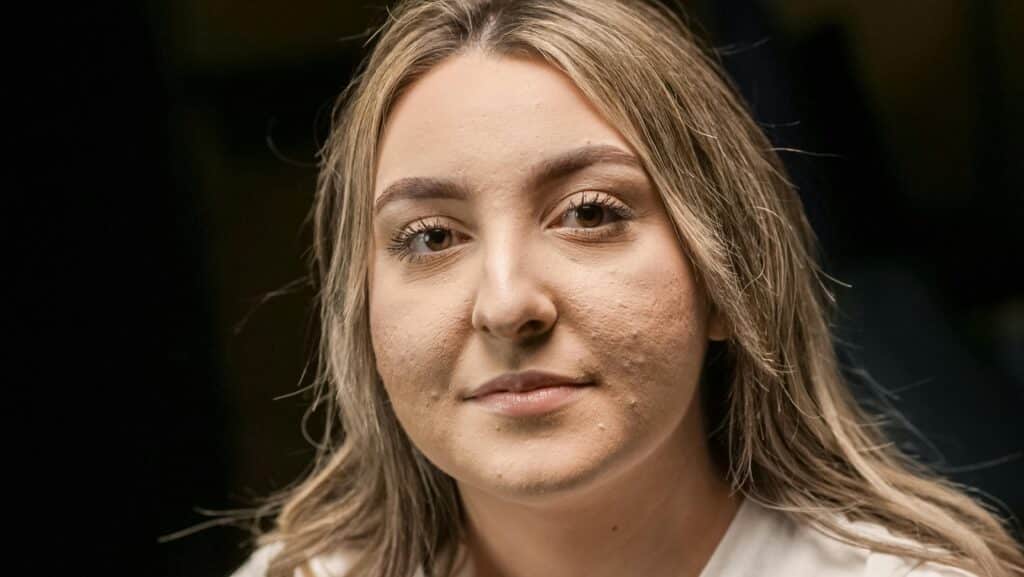
Dr Rinku Ratti, Private GP & Women’s Health Doctor in Birmingham, explains the real medical causes of hormonal acne — including gut health, stress hormones, insulin resistance and hidden deficiencies — and how to treat it properly. Hormonal Acne in Women: The Medical Causes No One Talks About By Dr Rinku MBBS (London) MRCGP – Private GP & Women’s Health Doctor at The Doctor’s Practice, Birmingham Instagram: @drrinkuofficial | @thedoctorspractice Introduction Over the years, countless women have sat in front of me and said: “I’m not a teenager anymore — why am I still getting acne?” “My breakouts flare before my period like clockwork.” “I’ve tried everything… nothing works.” And every single time, I reassure them: Hormonal acne is not about poor hygiene or “bad skin care.” It is a medical issue — one that reflects what’s happening inside the body. Most women are surprised when they discover their acne is linked to things like: Insulin resistance Chronic stress hormones Low progesterone High androgens Thyroid imbalance Gut disruption Vitamin deficiencies And because these causes are rarely explored, many women feel frustrated, confused, and dismissed. This blog breaks down the real medical reasons behind hormonal acne — the ones most women never hear about. The Deep Medical Causes of Hormonal Acne 1. Androgens: The Most Overlooked Drivers of Adult Acne Hormonal acne is strongly influenced by androgen activity (testosterone, DHEA-S). Research published in JAMA Dermatology (2020) highlights that even normal-range androgens can trigger acne in women who are genetically sensitive to them. This is why many women with hormonal acne have: Jawline and chin breakouts Cystic, painful spots Flare-ups before their period Worsening acne after stopping contraception Androgens increase: Sebum production Skin inflammation Follicular clogging This combination leads to deep, painful breakouts that don’t respond to traditional skincare. 2. Insulin Resistance & Sugar Spikes This is one of the most silent and misunderstood causes of hormonal acne. A large 2021 study in Clinical Endocrinology found that insulin resistance increases androgen activity, inflammation, and oil production — all major acne triggers. Women at risk include those who: Have PCOS Gain weight around the middle Crave sugar Feel fatigued after meals Have irregular periods This is why acne often improves when metabolic health is optimised. Full metabolic screening is part of our comprehensive health assessments: https://www.thedoctorspractice.co.uk/health-screening 3. Stress Hormones — Cortisol, Burnout & Skin Inflammation Chronic stress raises cortisol, which directly impacts: Oil-gland activity Skin inflammation Wound healing Sleep quality A study in Acta Dermato-Venereologica (2019) showed that cortisol dysregulation worsens acne severity, especially in women with high-stress lifestyles. This is why women in their 30s, 40s and 50s — juggling careers, child care or ageing parents — often see worsening skin. Stress-induced acne looks like: Forehead / jawline breakouts Fluctuating severity Acne that appears during burnout or poor sleep 4. Gut–Skin Axis: IBS, Bloating & Acne The connection between gut health and acne is one of the most rapidly expanding areas of research. A 2021 review in Frontiers in Microbiology highlighted strong links between: Dysbiosis Increased intestinal permeability Systemic inflammation Skin barrier impairment Women with hormonal acne often report: Bloating Food sensitivities Constipation IBS symptoms And when gut health improves — so does the skin. 5. Vitamin Deficiencies That Are Almost Never Checked Certain deficiencies directly worsen acne: Vitamin D deficiency increases inflammation (shown in Dermato-Endocrinology, 2020). Vitamin B12 imbalance can trigger acneiform eruptions. Zinc deficiency is strongly associated with persistent acne. Omega-3 deficiency increases inflammatory lesions. These are all assessed during our women’s health screenings and full blood panels: https://www.thedoctorspractice.co.uk/gp-services 6. Thyroid & Menopause-Related Acne Many women develop acne during: Perimenopause Postpartum recovery After stopping HRT After stopping contraception A study in Obstetrics & Gynecology Science (2020) confirmed that fluctuating oestrogen and progesterone destabilise oil glands and increase sensitivity to androgens. Women with thyroid dysfunction — especially hypothyroidism — are also more prone to persistent acne due to sluggish skin turnover and hormonal imbalance. Common Myths: “Acne is caused by not washing properly.” “Only teenagers get hormonal acne.” “Blood tests can’t tell you anything about acne.” “If skincare doesn’t work, nothing will.” “It’s just cosmetic.” Facts: Acne is hormonal and inflammatory — not caused by poor hygiene Adult women in their 30s–50s experience hormonal acne more than ever before. They reveal insulin resistance, thyroid issues, androgen excess and vitamin deficiencies. Acne improves dramatically when medical causes are treated. Acne commonly reflects underlying metabolic or hormonal imbalance. Treatments That Actually Work (Evidence-Based) 1. Medical Assessment & Blood Tests The first step is identifying the underlying cause. At The Doctor’s Practice, we assess: Full hormonal profile Thyroid function Insulin resistance markers Inflammatory markers Vitamin deficiencies Gut/IBS symptoms Menstrual cycle patterns This is often more revealing than any skincare routine. Explore our GP-led assessments: https://www.thedoctorspractice.co.uk/gp-services 2. Hormonal Treatments (Tailored, Not Generic) For some women, targeted hormonal support can be transformative. Evidence from The British Journal of Dermatology (2022) shows that hormonal therapies significantly reduce acne severity, especially in women with: PCOS Irregular periods High androgens Menopause-related acne Options include: HRT (for menopausal women) Cycle regulation Metabolic treatments Anti-androgen strategies (only when clinically appropriate) 3. Skin Treatments That Genuinely Help Hormonal Acne Doctor-led aesthetic treatments are often essential because they target collagen, inflammation and healing rather than just the surface. Effective options include: Chemical peels Microneedling Polynucleotides for scarring and inflammation LED therapy and CAP therapy Targeted acne protocols Research in Aesthetic Medicine (2023) showed polynucleotides reduce inflammation and improve post-acne texture, especially in hormonally driven cases. Explore our aesthetic treatments: https://www.thedoctorspractice.co.uk/aesthetics 4. Metabolic & Gut Health Correction This includes: Improving insulin sensitivity Protein-rich nutrition Balancing gut bacteria Omega-3 support Studies in Nutrients (2022) confirm that metabolic optimisation improves acne severity — especially in adult women. A Simple Daily Routine for Hormonal Acne Morning: Gentle non-stripping cleanser Niacinamide serum Light moisturiser SPF 30–50 Evening: Double cleanse Retinoid (if appropriate) Barrier-repair moisturiser Weekly: Chemical exfoliation (AHA/BHA) Professional skin treatment if recommended Internal routine: High-protein breakfast Reduce sugar spikes Magnesium glycinate Omega-3 Regular sleep schedule But
Menopause, Skin Changes & Hormones: A Doctor’s Guide | The Doctor’s Practice Birmingham

A comprehensive, evidence-based guide to menopause and skin changes by Dr Rinku Ratti, Private GP & Women’s Health Doctor at The Doctor’s Practice, Edgbaston. Learn why symptoms happen, what genuinely works, and how we treat menopause holistically. Menopause, Skin Changes & The Hormonal Shift: A Doctor’s Guide for Women By Dr Rinku MBBS (London) MRCGP – Private GP & Women’s Health Doctor at The Doctor’s Practice, Birmingham Instagram: @drrinkuofficial | @thedoctorspractice Introduction Over the years, I’ve sat with hundreds of women who say the same sentence in different ways: “I just don’t feel like myself anymore.” “My skin is changing overnight.” “I’m doing everything right, but something feels off.” And every time, I remind them: there is nothing “wrong” with them — their hormones are shifting, and their body is responding. Menopause is not a single moment in time. It is a transition, a recalibration of the entire endocrine, metabolic and skin system. It affects confidence, energy, appearance, sleep, relationships — everything. What I’ve learnt in clinic is this: When women understand what’s happening inside their bodies, the fear reduces, and they regain control. This blog is written to do exactly that. Understanding Menopause: What’s Really Happening Inside the Body 1. The Oestrogen Decline and Why It Changes Everything Oestrogen receptors exist in the brain, skin, bones, bladder, heart, immune system, and even hair follicles. When oestrogen falls during perimenopause, each of these systems reacts. Research published in the New England Journal of Medicine (2021) demonstrates that declining oestrogen disrupts collagen production, skin hydration, thermoregulation and sleep regulation — explaining why symptoms often feel “all over the place.” It is not in your head. It is physiology. 2. Skin Changes: Dryness, Wrinkles, Pigmentation & Breakouts Many women are surprised to learn that oestrogen supports: Collagen synthesis Skin barrier integrity Oil-gland regulation Antioxidant pathways Wound healing A large study in Dermato-Endocrinology (2019) found collagen can drop by up to 30% in the first five post-menopausal years, leading to dryness, fine lines, dullness, pigmentation changes and breakouts. This is why even women with previously “easy skin” begin to notice sudden texture changes, sensitivity, or acne-like flare-ups. 3. The Brain–Hormone Link: Mood, Memory & Overwhelm When women say: “I feel anxious for no reason.” “I can’t handle stress the way I used to.” It’s not psychological weakness — it’s hormonal. Studies in The Lancet Psychiatry (2020) highlight how fluctuating oestrogen disrupts neurotransmitters like serotonin and dopamine, affecting mood stability and sleep architecture. This explains: Brain fog Low motivation Emotional sensitivity Sleep fragmentation 4. Weight, Metabolism & Insulin Sensitivity Hormonal decline changes the way the body handles glucose and fat storage. A study in Cell Metabolism (2020) found that perimenopausal women have reduced metabolic flexibility, making weight gain more likely even without changing diet. This is why many women feel they are “gaining weight for no reason.” It is physiology, not failure. A comprehensive approach — combining hormone assessment, nutritional review and targeted health screening — is often the most effective way to understand the cause. (For example, our Comprehensive Health Screening: https://www.thedoctorspractice.co.uk/health-screening) 5. Hair, Nails & Hormonal Thinning As oestrogen falls, androgen sensitivity becomes more noticeable. Women may experience: Hair shedding Changes in hair density Fragile nails A 2018 review in the Journal of Women’s Health confirmed this link between menopausal hormone changes and hair-cycle disruption. Treatments That Actually Work (Evidence-Based) 1. HRT (Hormone Replacement Therapy) For many women, HRT is transformative. Evidence from The British Menopause Society (2023) shows HRT: Improves hot flushes Restores sleep quality Improves skin hydration and elasticity Reduces fracture risk Supports mood and cognitive function We offer personalised menopause treatment pathways at https://www.thedoctorspractice.co.uk/gp-services 2. Skin Treatments That Make a True Difference During perimenopause, skincare alone is rarely enough. Treatments that support collagen and hydration include: Skin boosters Polynucleotides Microneedling Chemical peels for pigmentation A 2022 study in Aesthetic Dermatology showed polynucleotides significantly improve hydration and firmness — which is why many menopausal women see rapid benefit. Our doctor-led aesthetic treatments are available at: https://www.thedoctorspractice.co.uk/aesthetics 3. Blood Tests & Full Health MOTs Many women assume their symptoms are “just menopause,” when there may be additional contributors: Thyroid dysfunction Iron deficiency Low B12 or Vitamin D Metabolic changes Inflammation Anaemia Sleep disorders Our Comprehensive Health MOT assesses over 150 markers and provides a complete picture. https://www.thedoctorspractice.co.uk/health-screening 4. Nutrition, Gut Health & Metabolic Support Studies in Nutrients (2021) show that increasing protein, omega-3s, calcium and fibre can reduce menopausal symptoms and improve energy. 5. Sleep Support & Nervous-System Regulation Simple interventions such as magnesium glycinate, sleep hygiene, CBT-I techniques and temperature regulation strategies are well supported by evidence in Sleep Medicine Reviews (2020) A Simple Daily Routine for Menopausal Skin & Wellbeing Morning: Gentle hydrating cleanser Hyaluronic acid SPF 30–50 Protein-rich breakfast Afternoon: Short walk or movement break Hydration + electrolytes Evening: Slow, nutrient-dense meal Magnesium glycinate Rich barrier-repair moisturiser Weekly: Microneedling or skin boosters (if advised) Strength training 2–3× weekly Mindfulness or breathwork And most importantly: regular medical check-ins. How We Assess Menopause at The Doctor’s Practice At our Edgbaston clinic, assessment is personalised and comprehensive. Each consultation includes: Full symptom review Detailed hormonal and metabolic assessment if needed Thyroid, iron, B12, vitamin D, inflammatory markers Cardiometabolic screening Skin and hair evaluation Review of mood, sleep, libido and cognition Individualised discussion of HRT options Lifestyle and nutritional guidance A personalised care plan with direct follow-up Our aim is simple: to help you feel like yourself again — with clarity, confidence and support. Frequently Asked Questions 1. Is menopause the same as perimenopause? No. Perimenopause is the transition leading up to menopause, where symptoms begin due to fluctuating hormones. 2. Do I need blood tests to diagnose menopause? Not always. Diagnosis is mainly clinical, but blood tests help exclude thyroid, iron or vitamin deficiencies. 3. Is HRT safe? For most women, yes — evidence shows significant benefits when prescribed correctly. Risk assessment is part of every consultation. 4. Why is my skin suddenly
The Silent Symptoms of Perimenopause: Why So Many Women Are Misdiagnosed

By Dr Rinku Ratti MBBS (London) MRCGP – Private GP & Women’s Health Specialist, The Doctors Practice Birmingham Perimenopause can begin up to 10 years before a woman’s periods stop — often catching women completely off guard. In clinic, I regularly meet women in their 30s and 40s who feel overwhelmed, exhausted, anxious, or unlike themselves… yet they have been told: ✔ “It’s just stress.” ✔ “Your blood tests are normal.” ✔ “You’re too young for menopause.” But perimenopause is not a sudden switch — it is a gradual hormonal transition, and symptoms often appear long before periods become irregular. The difficulty is this: early hormonal changes can be subtle, fluctuating and easily confused with other conditions. This leads to misdiagnosis, unnecessary medications, and years of avoidable suffering. Common Silent Symptoms of Perimenopause These symptoms are incredibly common — and incredibly real — yet they are often missed or attributed to lifestyle and stress. Psychological & Emotional Symptoms Sudden anxiety or panic sensations Mood swings or irritability Feeling overwhelmed more easily Loss of confidence or increased sensitivity Physical Symptoms Poor sleep or waking unrefreshed Weight gain around the stomach Fatigue or muscle weakness Joint pain or stiffness Skin dryness or acne Hair thinning or shedding Cognitive Symptoms Brain fog Forgetfulness Difficulty concentrating Reproductive Symptoms Irregular or heavy periods Low libido Vaginal dryness or discomfort Many women describe the feeling as: “I just don’t feel like myself anymore.” This emotional disconnect can be one of the earliest — and most distressing — signs of perimenopause. Why So Many Women with Perimenopause Symptoms Are Misdiagnosed Perimenopause is frequently missed in primary care. There are several reasons for this: Hormones Fluctuate Daily Oestrogen and progesterone swing dramatically during perimenopause. A single blood test often falls within the “normal” range, even when symptoms are significant. Symptom Overlap Symptoms mimic: Thyroid dysfunction Depression Anxiety disorders Chronic fatigue Vitamin deficiencies Stress-related burnout Without a detailed history, it’s easy for symptoms to be attributed to the wrong cause. Age Misconceptions Many women in their 30s or early 40s are told they are “too young” for hormonal changes. In reality, perimenopause commonly starts between 35–45, sometimes earlier. System Limitations NHS guidelines often require irregular periods or certain thresholds before HRT is offered — leaving women untreated for years. A study in BMJ Women’s Health (2021) found that thousands of women are diagnosed with anxiety or depression before their underlying perimenopause is recognised. How We Diagnose Perimenopause at The Doctor’s Practice Perimenopause is a clinical diagnosis. Blood tests can help — but they do not tell the full story. We focus on a whole-woman approach, looking at: ✔ Detailed Symptom & Hormonal History Patterns matter more than numbers. ✔ Hormone Testing (when useful) Including oestrogen, progesterone, testosterone, SHBG and FSH. ✔ Thyroid Function Many women are misdiagnosed with thyroid problems or have co-existing issues. ✔ Cortisol Testing Stress-hormone imbalance can worsen perimenopausal symptoms. ✔ Vitamin & Mineral Deficiencies Low Vitamin D, B12, iron and magnesium are extremely common. ✔ Sleep, gut and metabolic health All of which influence hormonal balance. Most importantly: You do not need abnormal blood tests to be in perimenopause. Your symptoms, your story, and your overall wellbeing guide the diagnosis. Treatment Options for Perimenopause Every woman’s experience of perimenopause is different. At The Doctor’s Practice, treatment is tailored to individual symptoms, goals and medical history. Hormone Replacement Therapy (HRT) Personalised oestrogen and progesterone support to improve: Mood Sleep Anxiety Hot flushes Brain fog Libido Skin and hair health Progesterone for Mood & Sleep Micronised progesterone can improve: Sleep quality Night-time anxiety Restlessness PMS-like symptoms Testosterone Therapy (when clinically appropriate) Supports: Energy Libido Motivation Cognitive clarity Muscle mass Vitamin & Mineral Correction We optimise: Vitamin D Magnesium B12 Iron These can dramatically improve fatigue, cognition, and mood. Metabolic & Gut Health Support Hormones interact with blood sugar, the gut microbiome, stress response and inflammation. Holistic Lifestyle Care Sleep patterns, stress regulation, strength training and nutrition all play an important role in supporting hormonal balance.Most women begin to feel improvements within 4–12 weeks. When to Seek Help For the Perimenopause You may benefit from assessment if: ✔ You feel unlike yourself ✔ Everyday tasks feel harder ✔ You have been told “everything is normal” ✔ Your symptoms affect your work, mood or relationships ✔ Your periods are changing — or even if they are still regular ✔ You sense something is wrong but cannot explain it Perimenopause is a real medical transition — not “stress,” not “ageing,” and definitely not “in your head.” A Real Patient Example A 42-year-old woman visited me after months of: Sudden morning anxiety Waking at 3am every night Unexplained weight gain Forgetfulness at work Low mood Heavy, irregular periods She had been told by multiple clinicians that her symptoms were “just stress.” Her blood tests were reported as “normal “.During our consultation, her symptoms clearly matched early perimenopause. Further testing showed: Low Vitamin D Low iron stores Mildly fluctuating oestrogen Elevated cortisol (stress hormone) Her personalised plan included: Bespoke HRT with transdermal oestrogen and progesterone Vitamin D and iron optimisation Night-time magnesium Sleep rhythm support Gentle strength training twice a week Within 8–10 weeks: Her sleep improved dramatically Morning anxiety reduced Brain fog lifted Energy returned Her periods became more manageable She felt “herself” again She later said, “I wish someone had explained perimenopause to me years ago.” Her experience is incredibly common — and often missed. A Note from Dr Rinku Perimenopause is not something you should simply “put up with.” Your symptoms are valid, and you deserve to feel supported, believed and treated with care. If you suspect perimenopause, you do not have to wait until symptoms become overwhelming. With the right assessment and guidance, your quality of life can improve dramatically. 📍 The Doctors Practice, Edgbaston 🌐 www.thedoctorspractice.co.uk 📞 0121 661 2366 📱 WhatsApp: 07388 623527 References Santoro N. “Perimenopause: endocrine changes and clinical consequences.” Endocrinology & Metabolism Clinics
PCOS & Insulin Resistance: Why Many Women Can’t Lose Weight Even When They Try
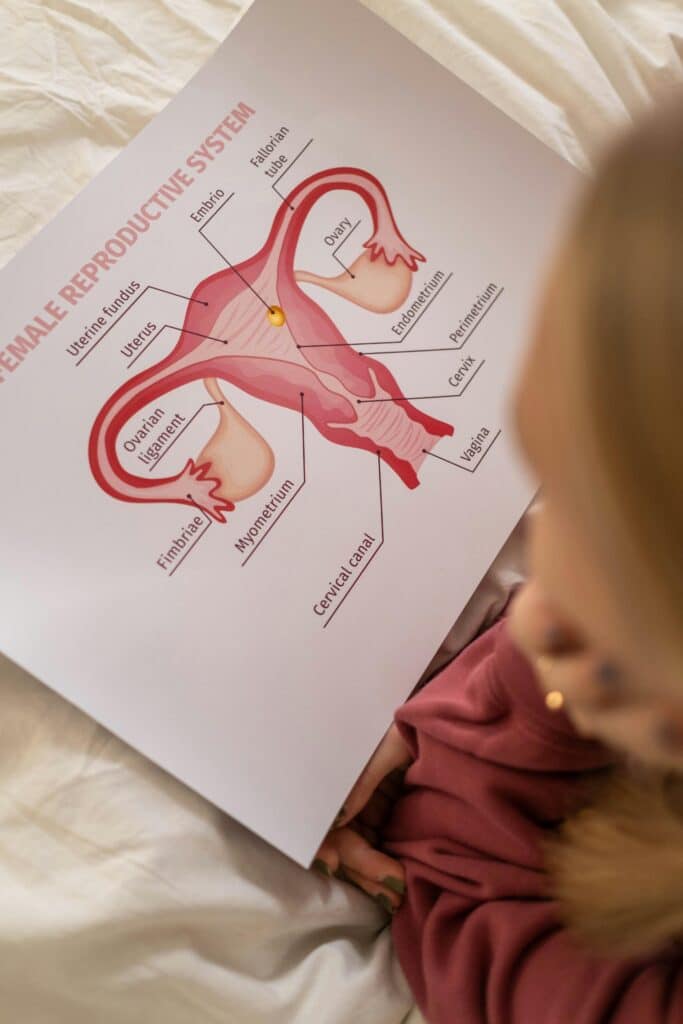
By Dr. Rinku Ratti – Private GP Specialist in Womens Health at The Doctor’s Practice, Edgbaston, Birmingham One of the most common frustrations I hear from women with polycystic ovary syndrome (PCOS) is: “I’m eating healthy, exercising, and I still can’t lose weight.” This is never a lack of effort. For many women, the underlying issue is insulin resistance — a metabolic condition that makes the body store fat instead of burning it. Research shows that over 70% of women with PCOS experience insulin resistance, even those who appear slim on the outside. Understanding this connection is the first step to feeling better, improving hormonal balance, and finally seeing progress with weight. What Is Insulin Resistance IN PCOS? Insulin is a key hormone produced by the pancreas. Its job is simple: Move sugar (glucose) from your blood into your cells so your body can use it for energy. When you have insulin resistance, your cells stop responding properly. As a result: Blood sugar rises The body produces even more insulin to compensate Excess insulin triggers fat storage, especially around the stomach Hunger and cravings increase Energy crashes become frequent Over time, this becomes a vicious cycle. Weight gain worsens insulin resistance, and insulin resistance worsens PCOS symptoms — particularly weight gain, irregular cycles, acne, and hormonal imbalance. Why Weight Loss Is So Difficult in PCOS Research has repeatedly shown that the combination of insulin resistance and hormonal imbalance makes weight loss significantly harder for women with PCOS. Even with excellent diet and exercise habits, the body often resists change. Common factors include: 🧬 Hormonal imbalance – High androgens and high insulin disrupt metabolism 🍽 Increased cravings – Especially for carbohydrates and sugary foods 😴 Low energy and fatigue – Hard to stay consistent when you’re drained 💠 Higher inflammation levels – Linked to worsened insulin resistance 🌙 Sleep disturbances – Poor sleep increases appetite hormones A major 2022 study in the Journal of Clinical Endocrinology & Metabolism confirmed that insulin resistance is one of the primary drivers of weight gain and hormonal symptoms in PCOS. Common Symptoms of Insulin Resistance in PCOS Many women have insulin resistance without realising it. Signs may include: Unexplained weight gain Difficulty losing weight despite effort Irregular menstrual cycles Acne, excess hair growth, or hair thinning Fatigue or “brain fog” Cravings for carbohydrates and sugar Low energy after meals If you recognise several of these symptoms, it’s worth being assessed. Blood Tests We Commonly Check in PCOS At The Doctor’s Practice, we offer comprehensive PCOS and metabolic testing to help understand the full picture. Useful investigations include: Fasting blood glucose Fasting insulin / HOMA-IR – the most accurate way to detect insulin resistance HbA1c – longer-term blood sugar control Lipid profile – cholesterol and triglycerides Vitamin D, magnesium, and B12 – deficiencies worsen insulin resistance Full hormone profiles if needed (FSH, LH, oestradiol, testosterone, SHBG, prolactin, etc.) Accurate testing helps us create a personalised, targeted plan rather than guesswork. Treatment Options for PCOS Improving insulin resistance is one of the most effective ways to support weight loss, restore menstrual cycles, and improve overall PCOS symptoms. Medical Therapies These are considered when lifestyle changes alone aren’t enough — which is very common in PCOS. Metformin A well-studied medication that improves insulin sensitivity and reduces cravings. Inositol supplements (myo-inositol + D-chiro-inositol) A natural option shown to improve ovulation, periods, and metabolic health. Tirzepatide (Mounjaro®) An advanced weekly injection that supports substantial weight loss and improves blood sugar control. A major trial published in the New England Journal of Medicine (2022) demonstrated significant improvements in metabolic markers — particularly beneficial for women with PCOS and insulin resistance. All treatments are carefully discussed and tailored based on your symptoms, test results, and goals. Nutrition & Lifestyle Interventions Small, sustainable changes can make a powerful difference. Low-glycaemic index (low-GI) diet Helps stabilise blood sugar and reduce cravings. High-protein meals Improves satiety and keeps insulin levels stable. Strength training One of the most effective ways to improve insulin sensitivity. Aim for 7–8 hours of sleep Even one night of poor sleep increases insulin resistance the next day. Omega-3 supplements Helps reduce inflammation and improve metabolic health. Vitamin D and magnesium Crucial for glucose control — especially important if blood tests show deficiency. When combined, these strategies work far better than dieting alone. The Emotional Side of PCOS One of the hardest aspects of PCOS is how it affects self-esteem. Many women tell me they feel: Frustrated Misunderstood Blamed for their weight Exhausted by repeated attempts with little progress This is incredibly common — and understandable. PCOS is not simply a “diet and exercise” issue. It is a complex hormonal and metabolic condition that deserves proper assessment, compassionate care, and tailored treatment. A Real Patient Example A 28-year-old woman came to The Doctor’s Practice feeling exhausted, gaining weight rapidly, and struggling with her skin and confidence. Her blood tests revealed significant insulin resistance and low Vitamin D levels. We created a personalised, medical and lifestyle plan. Within 12 weeks: Her energy levels improved Her menstrual cycles became more regular Her cravings reduced She began losing weight steadily Her mood and confidence lifted This story is far from unique. With the right support, improvement is not only possible — it’s expected. How We Help at The Doctor’s Practice If you suspect PCOS or insulin resistance, we offer: Comprehensive hormone and metabolic testing In-depth consultation with an experienced GP Personalised treatment plans Ongoing monitoring and support Advice on fertility, skin, and long-term metabolic health Our approach is compassionate, evidence-based, and tailored to your unique needs. Book an Appointment If you’re struggling with PCOS symptoms, weight changes, or possible insulin resistance, we’re here to help. 📍 The Doctor’s Practice – Edgbaston, Birmingham 🌐 https://thedoctorspractice.co.uk 📞 0121 661 2366 📱 WhatsApp: 07388 623527 References Dunaif, A. (2022). Insulin resistance and metabolic dysfunction in PCOS. Journal of Clinical Endocrinology & Metabolism. https://academic.oup.com/jcem Knowler, W. et al. (2021). Metformin and insulin resistance. Diabetes Care