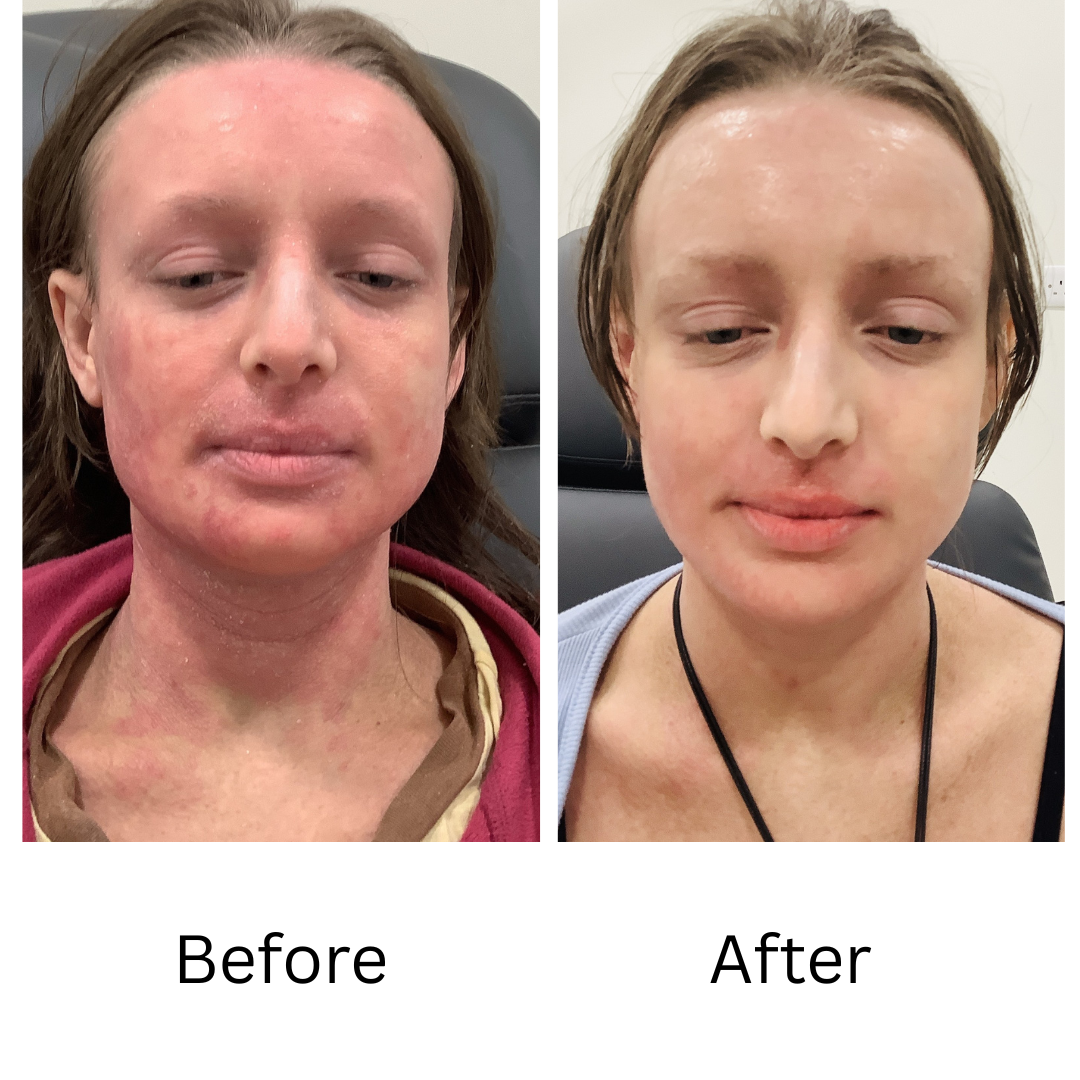
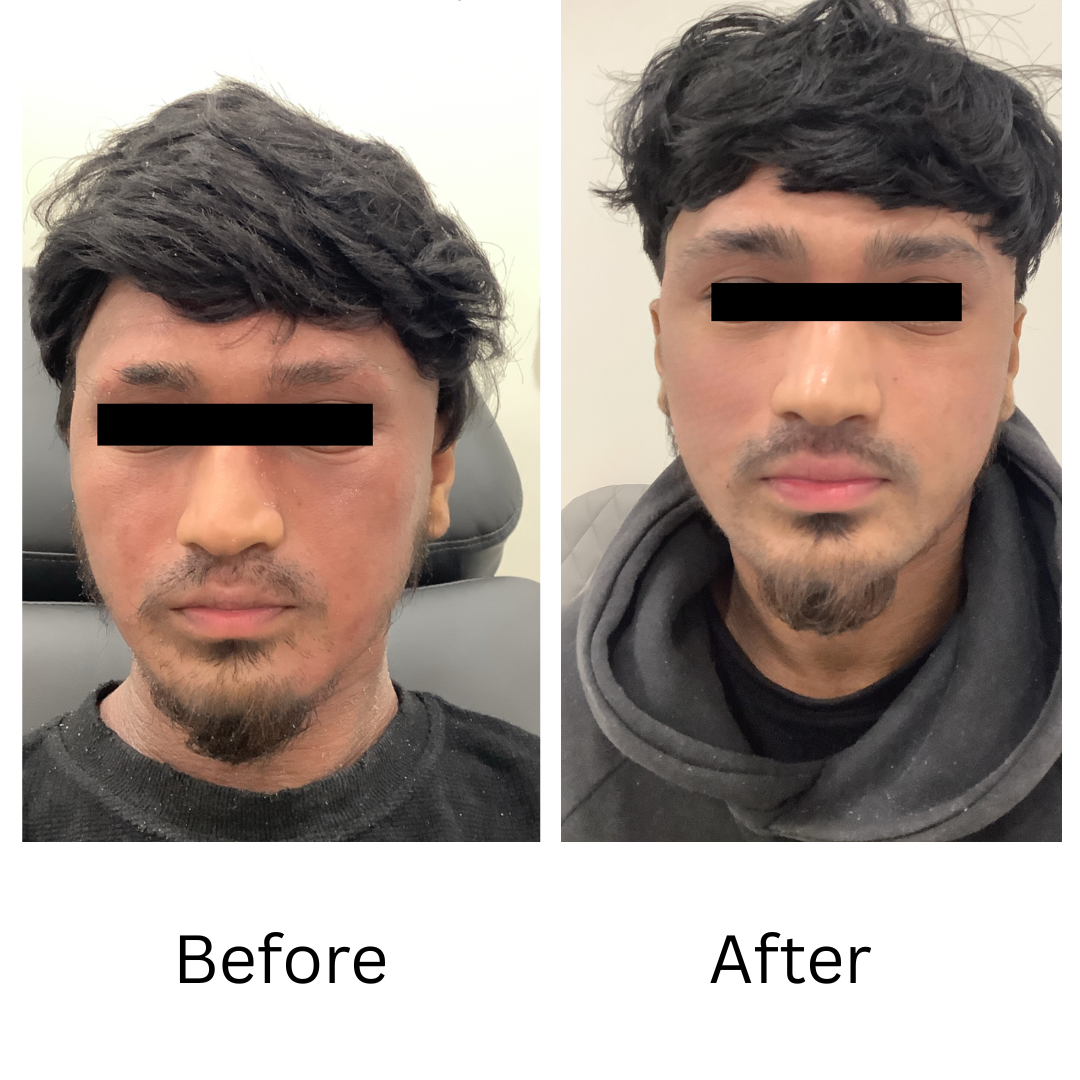
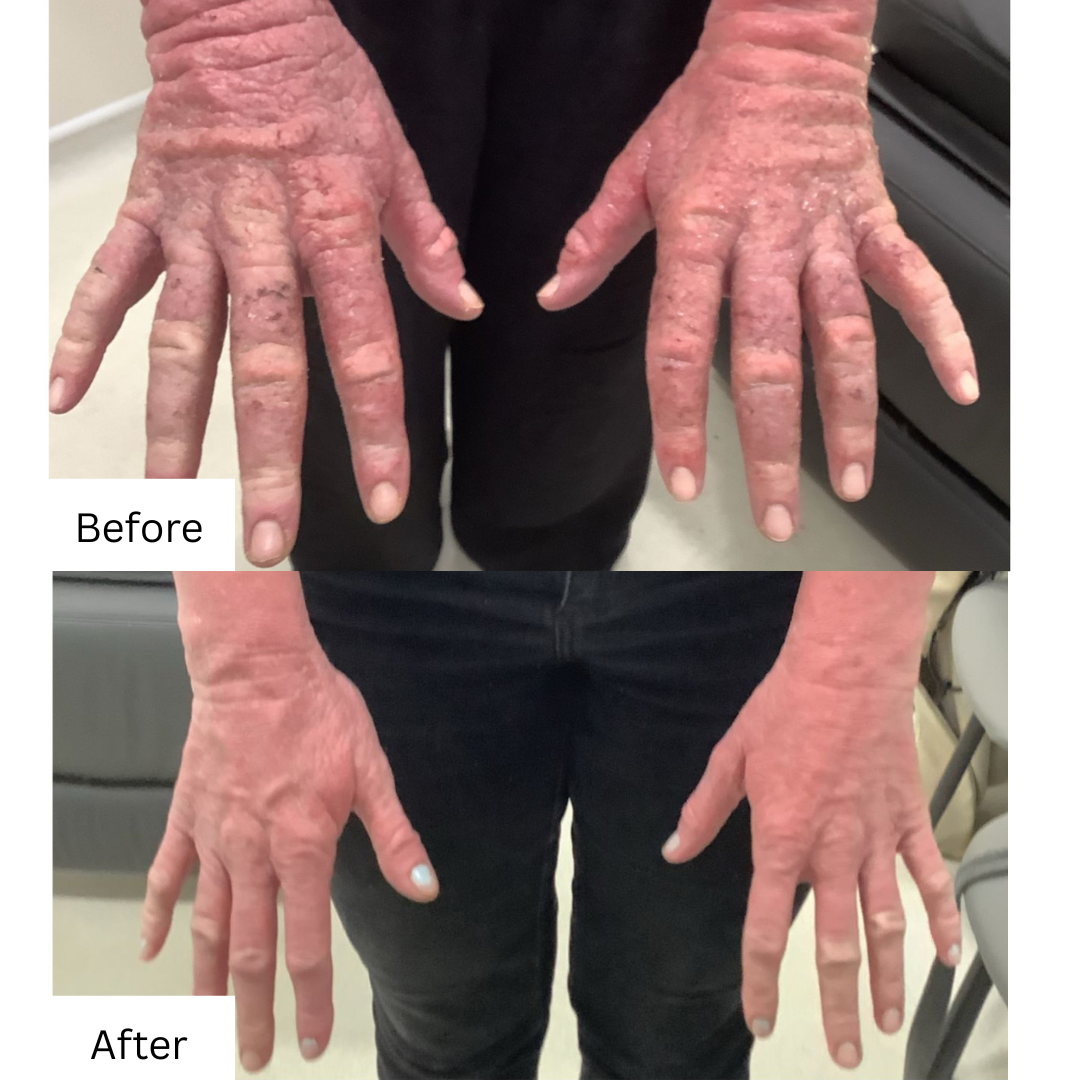
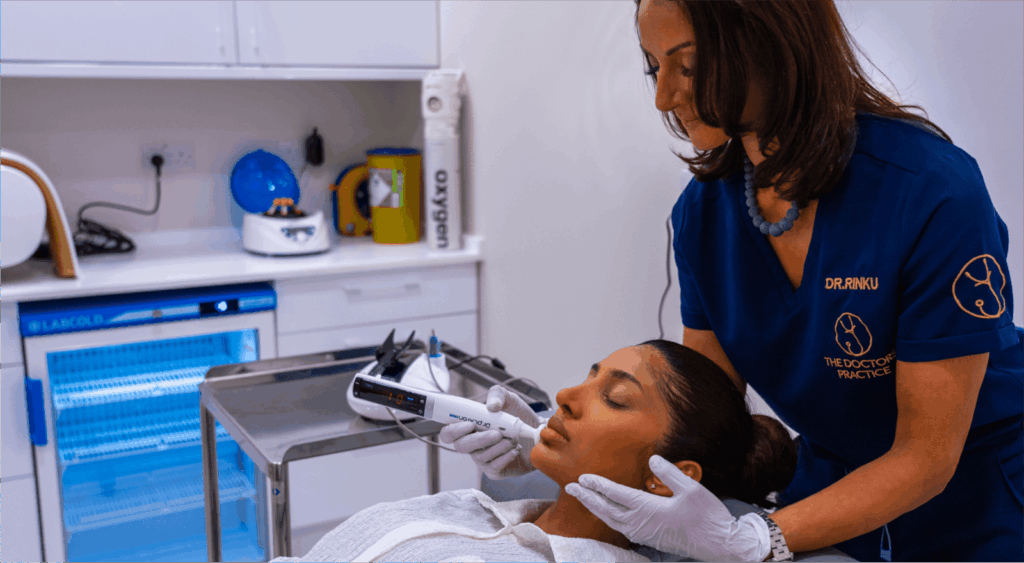
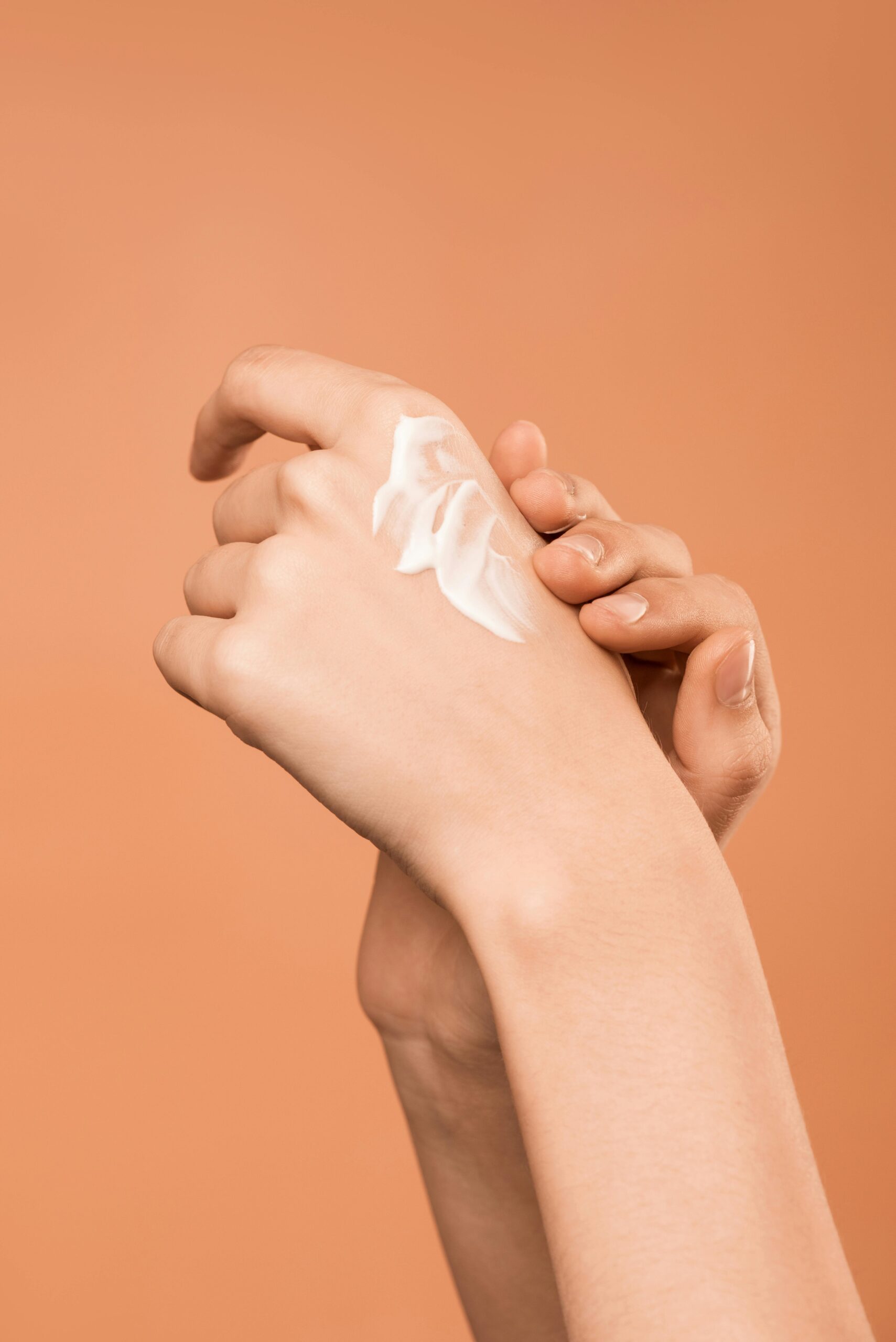
CAP Therapy can be applied to various areas, including:
- Face (forehead, cheeks, jawline, and around the eyes)
- Neck and décolletage
- Hands
- Specific localised areas with pigmentation or acne scars
CAP Therapy can be used in both direct and indirect applications, targeting the skin’s surface as well as deeper skin tissue for enhanced therapeutic effects. It is effective for treating skin diseases and skin infections in localized areas.
How Cold Plasma Therapy Works
CAP Therapy uses ionised plasma to interact with the skin at a cellular level. The plasma energy:
Stimulates collagen and elastin production
Reduces inflammation and redness
Destroys acne-causing bacteria
Enhances the skin’s natural healing ability
The effectiveness of the therapy depends on CAP exposure, which determines how CAP generates reactive oxygen and nitrogen species that are crucial for skin healing and regeneration. Factors influencing species quantity, such as device settings, plasma type, working gas, and treatment duration, play a significant role in the biological effects and therapeutic outcomes. Both cold atmospheric plasma treatment and atmospheric plasma treatment are used to modulate skin inflammation and promote cell proliferation, supporting optimal skin healing and tissue repair.
This process helps the skin regenerate naturally, improving tone, texture, and overall vitality without surgery or harsh chemicals.
Wound Healing with Cold Plasma Therapy
Cold atmospheric plasma (CAP) therapy is revolutionising the field of wound healing by harnessing the power of plasma technology to promote tissue regeneration and support the skin’s natural repair processes. When applied to wounds, the cold atmospheric plasma cap generates a blend of reactive oxygen and nitrogen species that work together to reduce surface bacteria, combat infection, and modulate inflammation. This unique combination not only helps to keep the wound environment clean but also stimulates the production of collagen and other essential components needed for effective tissue regeneration.
Unlike traditional thermal treatments, CAP therapy operates at normal atmospheric pressure and low temperatures, making it a non-thermal, non-ablative solution that is gentle on the skin’s surface. This means it can be safely used on chronic wounds and sensitive areas without causing additional damage to healthy tissue. By accelerating wound healing and promoting the regeneration of healthy skin cells, cold atmospheric plasma therapy presents significant promise for those struggling with slow-healing or complex wounds.
CAP therapy offers a minimally invasive approach to wound care. Its ability to generate reactive oxygen and nitrogen species not only supports rapid healing but also helps restore the skin barrier and reduce the risk of infection, making it an invaluable tool in modern skin therapy and tissue regeneration.