Histology is the laboratory examination of removed tissue under a microscope. It’s the only way to confirm definitively whether a mole is benign or shows any early changes that require further treatment.
If a mole looks clinically suspicious during your consultation, we will strongly recommend sending it for histology via an accredited UK laboratory. This applies to any mole showing atypical features or where there’s any doubt about the diagnosis.
What histology provides:
Definitive confirmation of whether a mole is benign
Detection of any pre cancerous or early skin cancer changes
Peace of mind and clarity about your diagnosis
Appropriate guidance for any follow-up or further treatment if needed
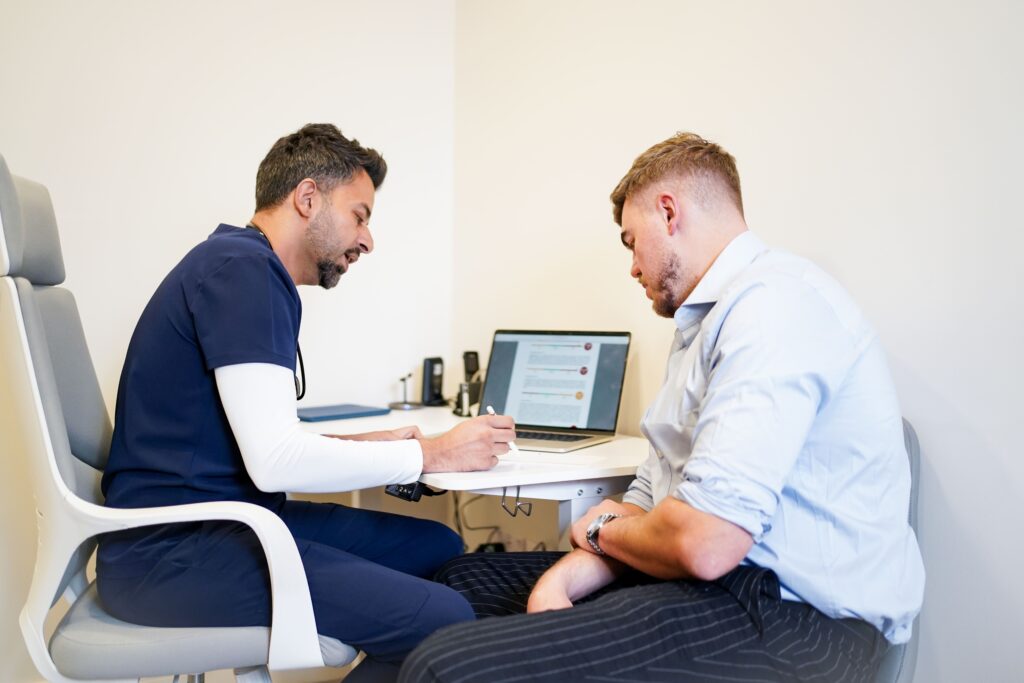
Results typically arrive within 1-2 weeks, and this timeframe will be clearly discussed at your consultation. All findings are explained by the same doctor who performed your procedure, either Dr Bik or Dr Rinku. If onward referral to a consultant dermatologist or consultant plastic surgeon is needed, we’ll arrange this promptly.
Patient safety is never compromised. If we have any concerns about a mole, we will always recommend the safest approach, even if that means referral to NHS services rather than private removal.
Recovery from mole removal is typically straightforward. Most patients experience only mild discomfort, easily managed with simple painkillers like paracetamol if needed at all.
Expected healing times:
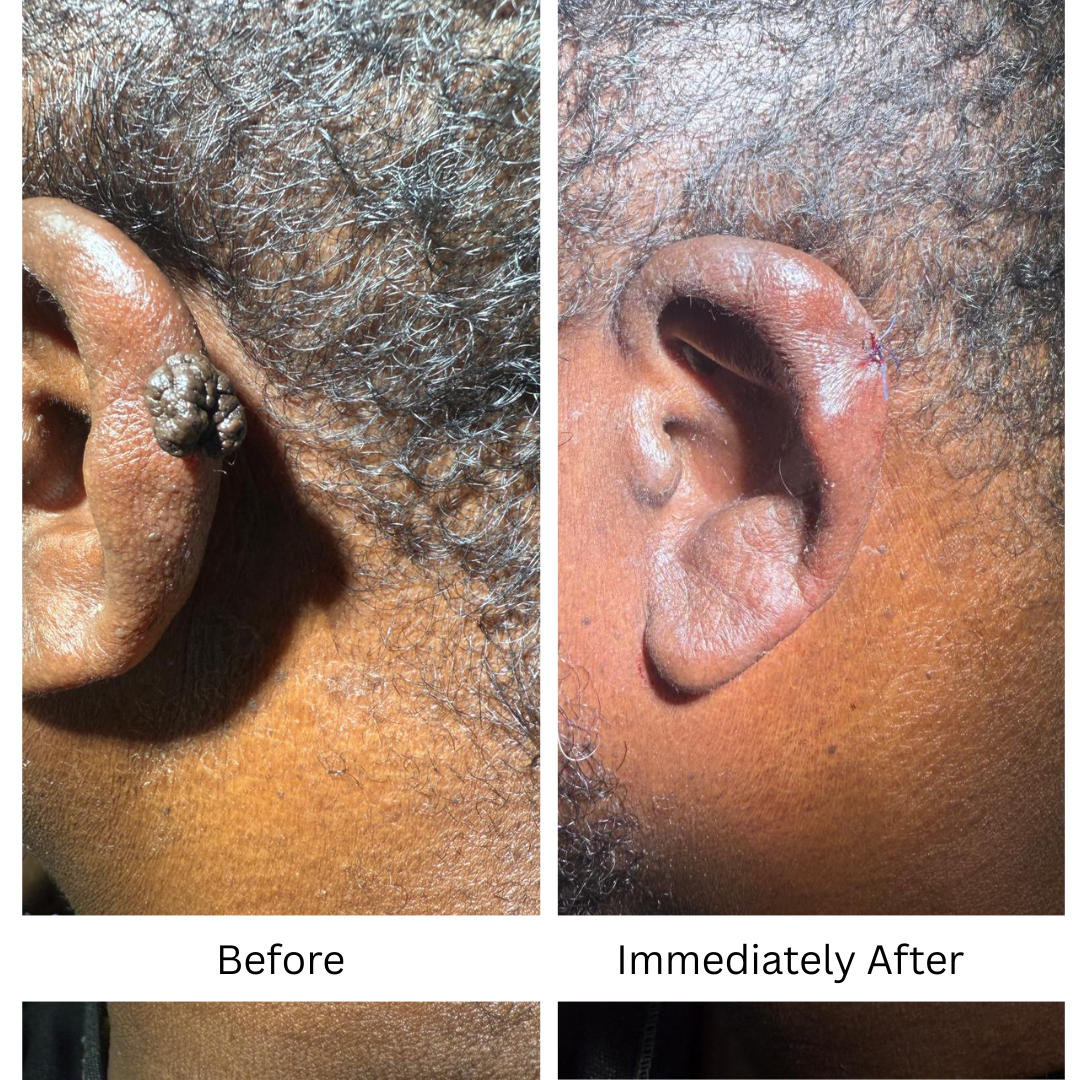
Surface healing generally occurs within 7-14 days
The wound may feel slightly tight or tender during this period
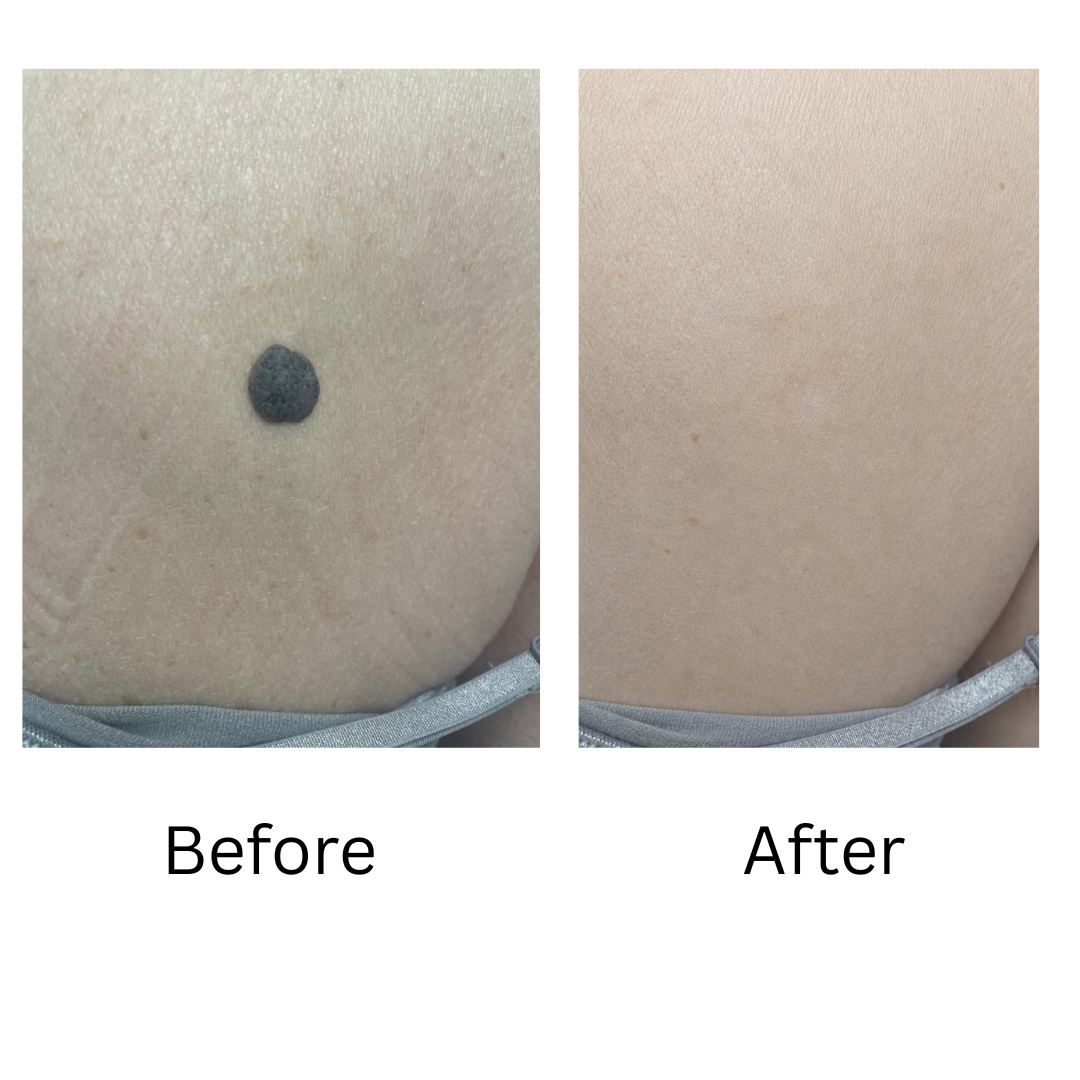
Scar maturation and fading continues over 6-12 months
Final scar appearance improves significantly during collagen remodelling
Normal post-procedure symptoms:
Mild bruising around the treatment site
Redness and slight swelling
Tightness as the skin heals
Light serous discharge (clear fluid) in the first few days
These symptoms usually settle without treatment options beyond basic wound care.
Scar care recommendations:
Keep the area clean and dry for the first 48 hours
After initial healing, silicone gel or sheets can help flatten and fade scars
Protect the area from sun exposure with SPF 30+ for at least 6 months
Avoid picking at scabs or sutures
Massage the scar gently once healed (usually from week 2-3) to aid remodelling
We provide written aftercare instructions before you leave the clinic and offer follow-up review, particularly after excisions where stitches need removal. For shave removals, a routine follow-up may not be necessary, but we’re always available if you have concerns.
Warning signs that should prompt a call to our clinic:
Increasing pain rather than gradual improvement
Spreading redness beyond the immediate wound area
Yellow or green discharge (possible infection)
Bleeding that doesn’t stop with gentle pressure
Any concerns about how the wound is healing
The vast majority of patients heal without complications. Infection rates are low (around 1-2% with proper technique), and serious problems are rare when aftercare instructions are followed.