
Losing Weight but Looking Tired? A Doctor Explains Why Your Face May Change

A doctor’s insight into the science, skin biology and evidence behind this treatment. Written by Dr Rinku Ratti MBBS (London) BSc (Hons) DRCOG DFFP MRCGP Level 7 Masters in Aesthetics Private GP, Cosmetic Doctor & Women’s Health Specialist Instagram: @thedoctorspractice | @drbikofficial | @drrinkuofficial Introduction At our doctor-led clinic here in Birmingham, one of the most interesting conversations I have been having recently has very little to do with wrinkles, skin creams or traditional anti-ageing treatments. Instead, it often begins with successful weight loss. Patients arrive feeling healthier, fitter and more confident after losing weight, whether through lifestyle changes, improved nutrition, increased exercise, bariatric surgery or medications such as Mounjaro® and other weight-management treatments. Yet many tell me the same thing: “I feel better than ever, but I look more tired.” The concern is understandable. Weight loss is usually celebrated as a positive step for health, but significant changes in body composition can also affect the face. Online, these changes are often described using terms such as “Ozempic Face”, although similar facial changes can occur after any significant weight loss regardless of how that weight loss was achieved. Understanding what is happening beneath the skin is the first step towards understanding whether treatment is needed at all. Facial ageing is influenced by far more than wrinkles. Bone structure, fat distribution, collagen production, skin elasticity and hydration all contribute to how youthful or tired a face appears. Significant weight loss can reduce facial fat volume, making natural age-related changes more visible. What many people interpret as sudden ageing is often a combination of volume loss, collagen decline and changing facial contours rather than damage to the skin itself. The Science Behind Facial Volume Loss The face is supported by a remarkably complex structure. Beneath the skin lie layers of fat compartments, connective tissue, muscles, ligaments and bone. Together they provide shape, support and youthful facial contours. When we are younger, these structures work in harmony to create fullness in areas such as the cheeks, temples and mid-face. As we age, several changes naturally occur: collagen production declines skin elasticity reduces facial fat compartments gradually shift bone structure subtly changes Research suggests that these changes begin long before they become visible. When significant weight loss occurs, some of the facial fat that previously contributed to volume and softness may reduce. This can reveal underlying age-related changes that were already present but less noticeable. In many cases, weight loss does not create ageing. It simply exposes it. Why Weight Loss Affects the Face Differently in Different People Not everyone notices changes in their face after losing weight. Some people look fresher and more youthful. Others feel they look tired, drawn or older. Several factors influence this: age genetics baseline facial volume skin quality collagen levels the amount of weight lost the speed of weight loss A person with naturally fuller facial features may notice very little change. Someone who already has mild volume loss or thinner skin may see more dramatic differences. This explains why two people can lose the same amount of weight and have completely different aesthetic outcomes. What Is Actually Happening Beneath the Skin? One of the most common misconceptions is that weight-loss medications somehow damage the face. Current evidence does not support this. Instead, the facial changes people notice are usually related to: reduced facial fat volume age-related collagen decline reduced skin support pre-existing ageing processes The weight loss itself is the key factor. This is important because it changes how doctors approach treatment. Rather than trying to “reverse” weight loss, the focus is often on supporting skin quality, collagen production and facial balance. Skin Quality and Volume Are Not the Same Thing One of the most important principles in aesthetic medicine is understanding the difference between volume and skin quality. A patient may have excellent skin texture but reduced facial fullness. Another may have good facial volume but poor skin elasticity. Treating these as the same problem can lead to disappointing results. When assessing facial changes after weight loss, I typically evaluate: facial volume distribution skin thickness hydration elasticity collagen quality overall facial harmony Only then can appropriate treatment options be discussed. The Rise of Regenerative Aesthetics Modern aesthetic medicine is increasingly moving away from simply replacing volume. Instead, there is growing interest in regenerative approaches that support the skin’s own biological repair mechanisms. This shift has helped drive interest in treatments that focus on skin quality, collagen stimulation and tissue health. At our Aesthetic Medicine Clinic, many patients are seeking treatments that improve skin quality naturally while maintaining a refreshed appearance. The emphasis is increasingly on restoration rather than alteration. Supporting Collagen and Skin Health Collagen is one of the most important structural proteins in the skin. As collagen levels decline, the skin becomes thinner, less elastic and less resilient. Several treatments are designed to support collagen production and improve overall skin quality. These may include: Polynucleotides Microneedling Skin Boosters Mesotherapy Each works differently, and suitability depends on individual concerns. For many patients, improving skin quality and collagen support can have a significant impact on how rested and refreshed they appear. Do You Always Need Treatment? Absolutely not. This is perhaps the most important point. Many people who lose weight look healthier, younger and more vibrant afterwards. Others simply need time for their appearance to stabilise following weight loss. In some cases, optimising sleep, nutrition, protein intake and skincare may be all that is needed. Not every concern requires an aesthetic treatment. The best outcomes occur when treatment decisions are guided by careful medical assessment rather than social media trends. Myths vs Facts Myth: Weight-loss medications age the face. Fact: Current evidence suggests facial changes are primarily related to weight loss itself rather than direct medication effects. Myth: Everyone who loses weight develops facial volume loss. Fact: Facial changes vary considerably between individuals. Myth: Dermal fillers are always the answer. Fact: Many patients benefit from treatments focused on skin quality, collagen stimulation and regeneration. Myth: Looking different means, something has
Menopause Weight Gain: Why It Happens and How Mounjaro May Help

Understanding the medical science, lived symptoms and evidence-based treatments — explained by a doctor. Written by Dr Rinku Ratti MBBS (London) BSc (Hons) DRCOG DFFP MRCGP Level 7 Masters in Aesthetics Private GP, Cosmetic Doctor & Women’s Health Specialist Instagram: @thedoctorspractice | @drbikofficial | @drrinkuofficial Introduction In my work at The Doctor’s Practice in Edgbaston, Birmingham, one of the most common concerns I hear from women in their forties and fifties is remarkably consistent: “My diet hasn’t changed, my exercise hasn’t changed, but I’m still gaining weight.” For many women, the menopausal transition can feel frustrating and confusing. Weight appears to accumulate more easily, particularly around the abdomen, while previous strategies that once worked seem less effective. This experience is not imagined. Research increasingly suggests that menopause is associated with significant changes in body composition, fat distribution, energy regulation and metabolic health. Understanding why this happens can help women move away from self-blame and towards a more evidence-based approach to their health. Many women notice changes in weight during perimenopause and menopause despite maintaining similar eating and exercise habits. Declining oestrogen levels, changes in body composition, reduced muscle mass, sleep disruption and increasing insulin resistance can all contribute. While there is no single cause, menopause represents a significant metabolic transition, and effective management often requires a broader strategy than simply eating less and exercising more. The Science Behind Menopause Weight Gain Menopause is often discussed as a reproductive milestone, but it is equally a metabolic transition. Oestrogen affects multiple systems throughout the body, including fat distribution, insulin sensitivity, appetite regulation and muscle maintenance. During reproductive years, women tend to store a greater proportion of body fat around the hips and thighs. As oestrogen levels decline during menopause, this pattern often shifts towards increased abdominal fat accumulation. Research suggests that menopausal hormonal changes are associated with increased visceral fat, which is the deeper fat surrounding internal organs and is more closely linked with metabolic disease than subcutaneous fat stored beneath the skin. These changes can occur even when total body weight changes only modestly. What Happens Beneath the Surface The number on the scales tells only part of the story. Many women experience: increased abdominal fat reduced lean muscle mass slower resting metabolic rate worsening insulin sensitivity increased hunger or food cravings reduced energy expenditure Declining oestrogen appears to influence how and where fat is stored, while age-related muscle loss may further reduce daily energy requirements. Research published in menopause and metabolic health literature suggests that the menopausal transition is associated with measurable changes in body composition, particularly increased visceral adiposity and reduced muscle mass. This helps explain why many women feel their bodies are behaving differently despite making no obvious lifestyle changes. The Role of Insulin Resistance One of the most important concepts in modern menopause medicine is insulin resistance. Insulin is the hormone responsible for helping glucose move from the bloodstream into cells. When cells become less responsive to insulin, the body compensates by producing more of it. Higher insulin levels are associated with increased fat storage and greater difficulty losing weight. Research suggests that insulin resistance may become more common during the menopausal transition, particularly when combined with reduced physical activity, poor sleep and increasing abdominal adiposity. This is one reason some women feel trapped in a cycle of weight gain despite genuine efforts to improve their health. Why Sleep Suddenly Matters More Many women underestimate the effect of sleep on weight regulation. Perimenopause and menopause are frequently associated with: night sweats sleep fragmentation insomnia early waking Poor sleep affects hunger hormones, stress physiology and insulin sensitivity. Women who are sleeping poorly may therefore find weight management significantly more difficult than before, even when dietary habits remain unchanged. In clinic, addressing sleep quality is often one of the most effective first steps in improving overall wellbeing. Where Does Mounjaro Fit Into the Picture? The emergence of GLP-1 and GIP-based therapies has transformed obesity medicine. Mounjaro® (tirzepatide) works by targeting hormonal pathways involved in appetite regulation, satiety and glucose metabolism. It is important to understand that Mounjaro is not a menopause treatment. It does not replace oestrogen. It does not directly treat menopausal symptoms. However, for selected individuals living with obesity or significant weight-related health concerns, it may form part of a wider weight-management strategy. Research examining tirzepatide has demonstrated significant effects on body weight and metabolic health in appropriately selected patients. The key is appropriate medical assessment, realistic expectations and ongoing support. Myths vs Facts One myth is that menopause inevitably causes significant weight gain. Not every woman gains weight during menopause, although body composition changes are common. Another misconception is that weight gain during menopause is purely hormonal. Hormones matter, but so do sleep, muscle mass, nutrition, physical activity and metabolic health. A further myth is that medications alone solve the problem. The most successful long-term outcomes almost always involve a combination of lifestyle, behavioural and medical approaches tailored to the individual. Evidence-Based Approaches That Actually Help There is no single solution. Effective strategies may include: resistance training to preserve muscle mass increasing daily movement improving sleep quality optimising dietary protein intake addressing insulin resistance considering HRT where clinically appropriate considering weight-management medications when suitable At our clinic, women often benefit from a broader review of hormonal, metabolic and lifestyle factors rather than focusing on weight alone. Our Menopause Clinic and Women’s Health Service frequently explore these issues in greater depth. For some women, comprehensive Health Screening can help identify contributing factors such as insulin resistance, thyroid dysfunction or nutritional deficiencies. Women considering medical weight-management options may also wish to learn more about our Weight Loss Injection Service. Many women are surprised to discover how closely menopause, insulin resistance and metabolic health overlap. Assessment at The Doctor’s Practice At The Doctor’s Practice — a private GP-led clinic in Edgbaston, Birmingham — we take a holistic approach to menopause-related weight concerns. Rather than focusing solely on body weight, we assess the broader picture, including symptoms, lifestyle, metabolic health, hormonal changes and long-term health risks.
Cortisol Face: Is Stress Really Changing Your Appearance?

Understanding the medical science, lived symptoms and evidence-based treatments — explained by a doctor. Written by Dr Rinku Ratti MBBS (London) BSc (Hons) DRCOG DFFP MRCGP Level 7 Masters in Aesthetics Private GP, Cosmetic Doctor & Women’s Health Specialist Instagram: @thedoctorspractice | @drbikofficial | @drrinkuofficial Introduction At our doctor-led clinic here in Birmingham, one of the most common observations I hear from patients is surprisingly specific: “My face looks puffier than it used to.” Often this concern appears alongside periods of prolonged stress, poor sleep, weight gain, hormonal change or burnout. Social media has given this phenomenon a name: “cortisol face”. The term has exploded across TikTok, Instagram and YouTube, often accompanied by dramatic before-and-after photographs and claims that stress alone is transforming facial appearance. Like many viral health trends, there is a small amount of truth mixed with a large amount of oversimplification. The reality is more interesting — and more useful. Understanding how stress hormones influence the skin, fluid balance, inflammation, weight distribution and ageing can help explain why some people genuinely notice facial changes during difficult periods of life. The phrase “cortisol face” is not a formal medical diagnosis. However, chronic stress can influence multiple biological systems that affect how the face looks and feels. Sleep disruption, fluid retention, weight gain, inflammation and hormonal changes may all contribute to facial puffiness or a tired appearance. The challenge is determining whether stress is the primary factor or whether an underlying medical condition is also contributing. The Science Behind Cortisol Cortisol is often described as the body’s primary stress hormone. Produced by the adrenal glands, cortisol plays an essential role in human survival. It helps regulate: blood sugar blood pressure metabolism inflammation immune function the sleep-wake cycle In short bursts, cortisol is beneficial. It helps us respond to challenges, concentrate under pressure and manage physical stress. Problems tend to arise when stress becomes chronic and recovery becomes insufficient. Research suggests that prolonged activation of the body’s stress response may contribute to metabolic changes, disturbed sleep patterns, altered appetite regulation and increased inflammation. Why Stress Can Affect Facial Appearance When people refer to cortisol face, they are usually describing one or more of the following: facial puffiness a fuller appearance around the cheeks swelling around the eyes skin that looks dull or tired increased breakouts changes in facial definition These changes are rarely caused by cortisol alone. Instead, they are often the result of multiple stress-related factors occurring simultaneously. Poor sleep, changes in eating habits, reduced physical activity, fluid retention and weight gain can all influence facial appearance. The face often becomes a visible reflection of what is happening elsewhere in the body. The Hidden Role of Sleep One of the most overlooked factors is sleep. When patients tell me their face suddenly looks different, poor sleep is often part of the story. Sleep deprivation is associated with: increased inflammation impaired skin barrier function altered appetite hormones reduced collagen repair increased fluid retention This can create a cycle in which stress worsens sleep, poor sleep worsens recovery and facial changes become more noticeable. In many cases, improving sleep quality produces visible improvements long before any aesthetic treatment is considered. When It May Not Be Cortisol At All This is where a doctor-led assessment becomes important. Not every puffy face is caused by stress. Several medical conditions can create similar changes. These include: thyroid disorders menopause-related hormonal changes insulin resistance obesity allergies certain medications Cushing’s syndrome Although Cushing’s syndrome is uncommon, persistently elevated cortisol levels caused by underlying medical conditions can produce characteristic facial rounding, weight gain and metabolic changes. For this reason, significant or unexplained facial changes should never automatically be dismissed as stress alone. Cortisol Face or Menopause? Many women searching for cortisol face are actually navigating perimenopause or menopause. Declining oestrogen levels influence: fluid regulation collagen production skin thickness fat distribution insulin sensitivity This can create facial changes that overlap significantly with what social media describes as cortisol face. Women attending our Menopause Clinic often discover that hormonal changes, rather than cortisol itself, are playing a major role in how they feel and how they look. The Difference Between Puffiness and Ageing Puffiness and ageing are not the same thing. A patient may have temporary fluid retention without any true ageing changes. Equally, someone may have excellent hydration but reduced collagen support and volume loss. Understanding the distinction is important because treatment strategies differ significantly. When assessing facial concerns, I look at: skin quality hydration collagen support facial volume hormonal factors lifestyle influences Only then can appropriate recommendations be made. Can Aesthetic Treatments Help? Sometimes. But only after understanding the underlying cause. If the primary issue is poor sleep, unmanaged stress or hormonal imbalance, these factors should be addressed first. Where skin quality has been affected, regenerative treatments may play a supportive role. Examples include: Polynucleotides Microneedling Skin Boosters Mesotherapy These treatments focus on skin quality, hydration and collagen support rather than simply masking symptoms. The goal is healthier-looking skin rather than an artificial result. Lifestyle and Medical Routine For most people, the most effective strategy involves addressing the foundations first: improving sleep quality managing stress maintaining regular exercise optimising nutrition limiting excessive alcohol intake supporting metabolic health addressing hormonal concerns where appropriate Many patients benefit from a broader review of their health through our Women’s Health Service or a comprehensive Health Screening programme, particularly when facial changes are accompanied by fatigue, weight gain or other symptoms. Often, small improvements across several areas create the most meaningful changes. Assessment at The Doctor’s Practice At The Doctor’s Practice — a private GP-led clinic in Edgbaston, Birmingham — we assess facial changes from both a medical and aesthetic perspective. Rather than assuming that stress is the sole cause, we explore the wider picture, including hormonal health, menopause, metabolic factors, sleep quality and skin biology. Where appropriate, patients may benefit from assessment through our Women’s Health Service, Menopause Clinic, Health Screening programmes or doctor-led aesthetic consultations. The aim is to identify the cause rather than
Regenerative Skin Treatments Explained by a Doctor: The Science Behind Skin Repair and Renewal
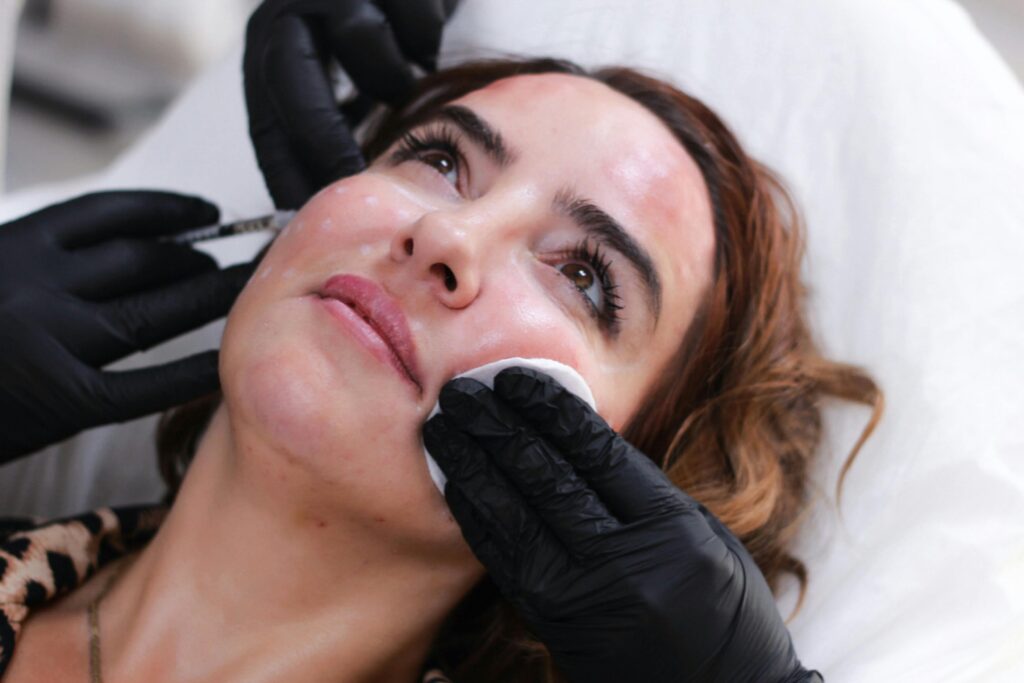
A refined, evidence-based look at how regenerative aesthetic treatments work beneath the skin — written by a doctor. Written by Dr Rinku Ratti MBBS (London) BSc (Hons) DRCOG DFFP MRCGP Level 7 Masters in Aesthetics Private GP, Cosmetic Doctor & Women’s Health Specialist Instagram: @drrinkuofficial | @thedoctorspractice Introduction In my work at The Doctors Practice in Edgbaston, Birmingham, one of the most interesting developments in aesthetic medicine over the past decade has been the rise of regenerative skin treatments. Traditionally, aesthetic treatments focused on correcting visible ageing — softening wrinkles or restoring lost volume. Increasingly, however, both clinicians and patients are becoming more interested in supporting the biology of the skin itself. Rather than masking ageing changes, regenerative medicine focuses on improving how skin repairs, renews and maintains its structure. This approach includes treatments such as microneedling, skin boosters and polynucleotide therapy, which aim to stimulate natural repair pathways within the dermis. Regenerative aesthetic medicine therefore represents a shift in thinking: instead of asking how to fill or freeze ageing changes, we ask how to improve the health and resilience of the skin itself. Skin regeneration treatments aim to support fibroblast activity, collagen production and tissue repair processes within the dermis — mechanisms increasingly discussed within modern dermatology and regenerative medicine. The Science Behind Regenerative Skin Treatments The skin is not a static organ. It is constantly renewing itself through a balance of cellular repair, collagen production and tissue turnover. Fibroblasts — the cells responsible for producing collagen and elastin — play a central role in maintaining skin structure. Over time, however, fibroblast activity declines. Collagen production decreases and the extracellular matrix that supports skin begins to weaken. This leads to many of the visible changes associated with ageing: reduced elasticity • fine lines and creasing • thinning of the skin • uneven texture Regenerative aesthetic treatments aim to support these natural repair pathways, encouraging the skin to rebuild structural proteins and improve tissue quality. Biological Mechanisms Beneath the Skin Several regenerative approaches are used in modern aesthetic medicine. Microneedling Microneedling works by creating controlled micro-injuries within the skin, stimulating the wound-healing response. This process activates fibroblasts and increases collagen production, leading to gradual improvements in skin texture and elasticity. Polynucleotide Treatments Polynucleotides are DNA-derived molecules used in regenerative dermatology. Research indicates that these compounds may: stimulate fibroblast activity • support collagen synthesis • improve tissue repair • reduce inflammatory signalling Studies reviewing polynucleotide treatments in aesthetic medicine report improvements in skin texture, elasticity and wrinkle depth when used appropriately. At a molecular level, polynucleotides are thought to activate cellular repair pathways and improve microcirculation, which may support tissue regeneration within the dermis. Skin Boosters Skin boosters focus on deep hydration and dermal support, improving skin quality rather than changing facial structure. These treatments help restore hydration and resilience within the skin’s extracellular matrix. Skin Changes and Ageing Patterns Ageing skin is influenced by several biological and environmental processes. Intrinsic ageing reflects gradual cellular decline and reduced collagen production. Extrinsic ageing is driven by environmental factors such as: ultraviolet radiation • pollution • smoking • chronic inflammation Patients commonly notice: dull or tired-looking skin • fine lines and early wrinkles • uneven texture • loss of elasticity • under-eye thinning In many cases, these changes are not simply cosmetic but reflect deeper biological changes occurring within the dermis. Latest Research Research into regenerative dermatology continues to expand. Studies exploring polydeoxyribonucleotide (PDRN) compounds — one form of polynucleotide therapy — suggest these molecules may support cell migration, angiogenesis and tissue regeneration, processes important for wound healing and skin repair. Other research highlights the ability of these molecules to stimulate collagen synthesis and improve dermal structure through cellular signalling pathways. While evidence in aesthetic medicine continues to evolve, many clinicians view regenerative treatments as an important complement to more traditional aesthetic approaches. Myths vs Facts Myth: Regenerative treatments replace traditional aesthetic treatments. Fact: They often complement other treatments rather than replace them. Myth: Polynucleotides work like dermal fillers. Fact: Fillers restore volume, whereas regenerative treatments aim to improve skin biology. Myth: Regenerative treatments produce instant results. Fact: Improvements typically occur gradually as the skin’s repair processes respond. Evidence-Based Treatments At The Doctors Practice, aesthetic care is always approached through a medical framework. Treatments offered by Dr Rinku Ratti include: microneedling • polynucleotide treatments • skin boosters • anti-wrinkle injections • dermal fillers These treatments are selected based on a personalised assessment of skin health, not simply cosmetic concerns. Often, the most effective approach involves combining treatments that address both skin quality and structural ageing. Lifestyle and Skin Health Routine Long-term skin health depends on more than procedures. Key foundations include: daily photoprotection • adequate sleep • balanced nutrition • stress management • consistent skincare routines Treatments may support skin regeneration, but lifestyle factors remain central to maintaining healthy skin. Assessment at The Doctors Practice At The Doctors Practice — a private GP-led clinic in Edgbaston, Birmingham — aesthetic consultations begin with a comprehensive assessment. We evaluate: skin thickness and elasticity • pigmentation patterns • inflammatory skin conditions • lifestyle influences • hormonal health where relevant This structured approach allows treatments to be tailored to the individual biology of the skin, rather than following generic aesthetic trends. FAQs What is regenerative aesthetic medicine? It refers to treatments designed to support the skin’s natural repair processes rather than simply altering its appearance. What are polynucleotides used for in skin treatments? They are used to support collagen production, tissue repair and skin regeneration. Do regenerative treatments work immediately? Most improvements occur gradually as the skin’s natural repair mechanisms respond. Do you provide regenerative skin consultations in Birmingham? Yes. Dr Rinku offers aesthetic consultations at our clinic in Edgbaston, Birmingham. A Personal Note The most exciting aspect of modern aesthetic medicine is not dramatic transformation. It is the growing understanding of skin biology and regeneration. When treatments support the natural repair systems of the skin, results tend to appear more subtle, more natural and often
Men’s Skin Health and Confidence: A Doctor’s Perspective on Regenerative Skin Care
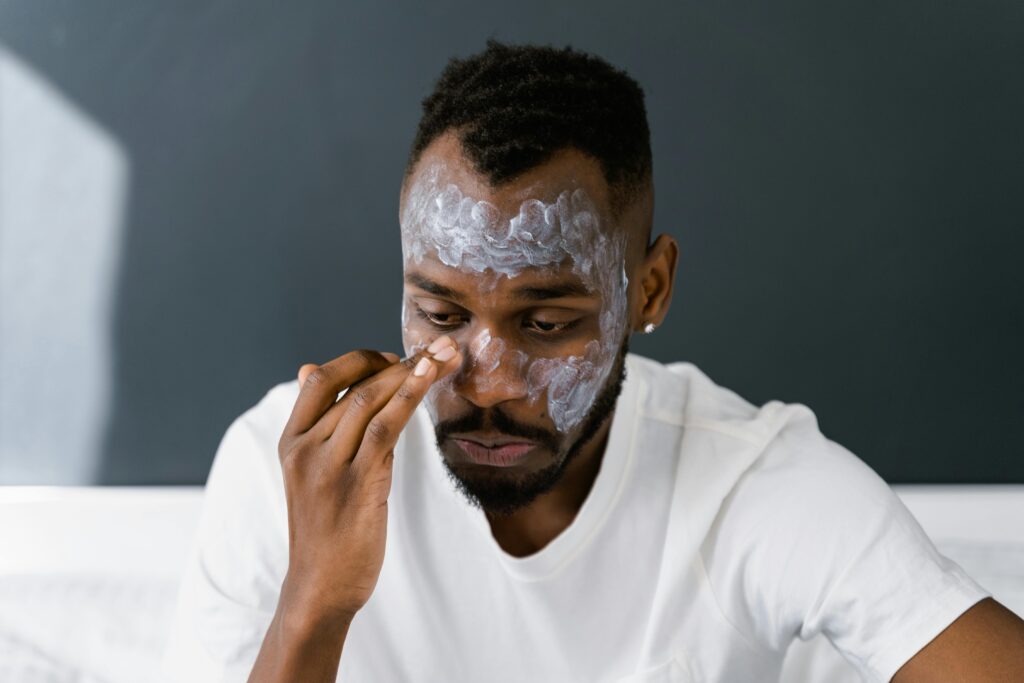
A refined, evidence-based look at the biology of male skin and the science behind modern regenerative treatments — explained by a doctor. Written by Dr Bikram Ratti MBBS (London) MRCGP Private GP & Men’s Health Specialist The Doctor’s Practice, Birmingham Instagram: @thedoctorspractice | @drbikofficial | @drrinkuofficial Introduction In my work at The Doctor’s Practice in Edgbaston, Birmingham, one trend has become increasingly clear: more men are beginning to take their skin health seriously. This shift has been gradual, but significant. For many years, skincare and aesthetic medicine were often perceived as something primarily associated with women. In reality, however, skin health is simply another aspect of overall wellbeing. Just as conversations around men’s health have expanded to include mental health, cardiovascular prevention and hormonal health, the same evolution is now occurring in skin health. Movember has played an important role in broadening awareness around men’s wellbeing. While the campaign traditionally focuses on prostate cancer, testicular cancer and mental health, it has also helped open discussions around confidence, self-care and preventative health. In clinical practice, the relationship between appearance, confidence and overall wellbeing is very real. Skin health is not vanity. It is physiology. The Science Behind Men’s Skin Biological Differences in Male Skin Male skin differs biologically from female skin in several important ways. Typically, men have: thicker dermal layers • higher collagen density • greater sebaceous gland activity • larger pores and increased oil production These differences are largely driven by androgen hormones, particularly testosterone. Because testosterone stimulates collagen production, men often develop wrinkles later than women. However, when ageing changes do occur, they can appear deeper and more structurally pronounced. Research published in the Journal of Investigative Dermatology has demonstrated that hormonal influences significantly affect skin thickness, collagen architecture and sebaceous activity. These biological differences mean that male skin often responds particularly well to treatments that focus on regeneration and dermal repair rather than simple superficial hydration. Environmental and Lifestyle Factors Beyond biological differences, lifestyle factors play a major role in male skin health. Common contributors include: chronic sun exposure • repeated shaving irritation • environmental pollution • stress and sleep deprivation • smoking and alcohol consumption Ultraviolet radiation remains the most significant external ageing factor. Chronic UV exposure generates reactive oxygen species within the skin. These molecules damage collagen fibres, degrade elastin and accelerate visible skin ageing. A large epidemiological analysis published in the British Journal of Dermatology confirmed that cumulative UV exposure is the primary driver of visible skin ageing worldwide. In other words, ageing is partly biological — but environmental damage plays an equally important role. Common Skin Concerns in Men In consultations with male patients, the concerns I hear most frequently include: sun damage and uneven pigmentation • enlarged pores and oily skin • redness or rosacea • early wrinkles and skin laxity • dull or tired-looking skin • thinning hair or scalp concerns Interestingly, men rarely attend consultations asking to “look younger”. Instead, most simply say: “I just want to look healthier and less tired.” That goal aligns perfectly with the philosophy of modern regenerative medicine. Regenerative Skin Treatments The central idea behind regenerative aesthetics is straightforward. Rather than temporarily masking ageing changes, these treatments aim to stimulate the skin’s natural repair processes. Regenerative treatments typically aim to: increase collagen production • reduce chronic inflammation • stimulate tissue repair pathways • improve overall skin quality over time Common regenerative approaches include: microneedling • polynucleotide therapy • platelet-rich plasma treatments • light-based and energy-based skin therapies These treatments activate natural cellular repair pathways that support dermal regeneration. Clinical research published in the Aesthetic Surgery Journal demonstrates that regenerative therapies can significantly improve collagen synthesis, skin elasticity and dermal architecture when delivered appropriately. The goal is not dramatic transformation. The goal is subtle, natural improvement. Myths About Men and Skincare Several misconceptions still surround men’s skin health. Myth: Skincare treatments are mainly for women. Fact: Skin biology is universal. Men benefit equally from treatment. Myth: Aesthetic medicine is about looking artificial. Fact: The best treatments simply make people look healthier. Myth: Men should ignore skin ageing. Fact: Prevention significantly slows visible skin ageing. The most effective approach is not aggressive intervention. It is consistent long-term care. Evidence-Based Treatments At The Doctor’s Practice in Birmingham, our approach to skin health is always doctor-led and medically informed. Consultations often include: evaluation of skin structure and texture • assessment of lifestyle factors • identification of underlying dermatological concerns • personalised treatment planning Where appropriate, patients may explore treatments through our aesthetic medicine clinic: https://thedoctorspractice.co.uk/aesthetic-medicine/ Skin health is also closely linked to broader health factors, which is why many patients combine aesthetic consultations with comprehensive health screening: https://thedoctorspractice.co.uk/services/health-screening/ Hormonal balance, nutrition, sleep quality and inflammation all influence how the skin ages. Skin health does not exist in isolation from overall health. A Simple Doctor-Led Skin Routine For most men, a simple and consistent routine works best. A strong foundation includes: daily broad-spectrum SPF protection • antioxidant serums such as vitamin C • gentle cleansing • regular exfoliation • adequate sleep and hydration Consistency matters far more than complexity. Small daily habits often produce the greatest long-term results. Assessment at The Doctor’s Practice At The Doctor’s Practice — a private GP-led clinic in Edgbaston, Birmingham — skin assessments begin with a medical approach. During consultation we typically assess: skin thickness and elasticity • pigmentation patterns • inflammation and redness • lifestyle influences • hormonal health where relevant From there we develop a personalised treatment plan designed to support long-term skin health. The goal is always the same: natural, healthy-looking skin that enhances confidence without altering identity. Frequently Asked Questions Do men benefit from aesthetic treatments? Yes. Male skin often responds well to regenerative treatments due to its higher collagen density. What are the most common skin concerns in men? Sun damage, enlarged pores, redness and early signs of ageing. Does the UK climate still cause skin ageing? Yes. Ultraviolet
Polynucleotides and the Future of Regenerative Skin Treatments

A refined, evidence-based look at how this treatment works beneath the skin — written by a doctor. Written by Dr Rinku Ratti MBBS (London) BSc (Hons) DRCOG DFFP MRCGP Level 7 Masters in Aesthetics Private GP, Cosmetic Doctor & Women’s Health Specialist Instagram: @thedoctorspractice | @drbikofficial | @drrinkuofficial Introduction In my work at The Doctor’s Practice in Edgbaston, Birmingham, one topic has been appearing increasingly often in aesthetic consultations: regenerative skin treatments. Patients today are not simply asking how to smooth a line or add volume. More often, they want to understand how to improve the health of their skin itself. This shift reflects a broader change within aesthetic medicine. Treatments are moving away from purely structural correction and towards biological regeneration. Among the therapies attracting attention in this space are polynucleotides — a class of regenerative treatments designed to support skin repair and improve cellular activity within the dermis. Rather than masking ageing, these treatments attempt to support the skin’s own repair mechanisms. Understanding how they work requires looking beneath the surface. Polynucleotides are fragments of DNA-derived molecules that interact with skin cells and extracellular structures. Evidence suggests they may support fibroblast activity, modulate inflammation and contribute to dermal repair pathways, which is why they are increasingly discussed within regenerative dermatology. The Science Behind Polynucleotides Polynucleotides are purified DNA fragments that originate from natural biological sources. In aesthetic medicine they are used as biostimulatory treatments, meaning their role is to stimulate the skin’s natural regenerative processes. Within the skin, these molecules may influence several biological pathways: stimulation of fibroblast activity • support for collagen and elastin production • modulation of inflammatory signalling • improvement in microvascular circulation Fibroblasts are the cells responsible for producing collagen, elastin and other structural proteins that maintain skin strength and elasticity. As skin ages, fibroblast activity gradually declines. This reduction contributes to thinning skin, reduced elasticity and slower repair processes. Research in regenerative dermatology suggests that polynucleotide-based treatments may help create an environment that supports cellular repair and extracellular matrix restoration. Biological Mechanisms Beneath the Skin When polynucleotides are introduced into the dermis, their role is not to add volume but to influence the biological behaviour of skin cells. Several mechanisms are discussed in the scientific literature. Hydration support is one of them. Polynucleotide chains can bind water molecules, which may improve the hydration environment surrounding dermal cells. They are also thought to interact with adenosine receptors, signalling pathways involved in inflammation and tissue repair. Evidence indicates that these mechanisms may contribute to: improved tissue regeneration • enhanced dermal repair processes • reduced inflammatory stress within the skin In practical terms, this may translate into improvements in skin texture, elasticity and resilience over time. Skin Changes and Ageing Patterns Ageing skin reflects several biological processes occurring simultaneously. Collagen production declines. Elastin fibres fragment. Inflammatory signalling gradually increases. Environmental exposure — particularly ultraviolet radiation and pollution — accelerates these changes. Patients often notice: loss of skin elasticity • dull or fatigued appearance • fine lines and creasing • uneven skin texture • thinning under-eye skin In our doctor-led aesthetic clinic in Birmingham, treatments are selected based on these patterns rather than simply on age. Regenerative treatments such as microneedling or skin boosters may sometimes be combined with biostimulatory therapies depending on the skin’s needs. What Current Research Suggests Interest in regenerative dermatology has grown significantly over the past decade. Studies exploring DNA-derived biostimulatory compounds suggest these molecules may support wound healing pathways, fibroblast migration and tissue repair mechanisms. Research published in dermatological and regenerative medicine journals indicates that polynucleotide treatments may contribute to: improved dermal hydration • enhanced cellular repair environments • increased fibroblast activity While research in this field continues to evolve, current evidence suggests these therapies may play a role in supporting skin regeneration when used appropriately. Myths and Misunderstandings As regenerative treatments become more widely discussed, misconceptions often appear. One common myth is that polynucleotides function like dermal fillers. They do not. Fillers add structural volume, whereas regenerative treatments aim to support biological repair processes. Another misunderstanding is that regenerative treatments create immediate dramatic change. In reality, they are designed to support gradual improvements in skin quality over time. Subtlety is the goal. Evidence-Based Treatment Approaches At The Doctor’s Practice, aesthetic treatments are approached through a medical framework. Before recommending any treatment we consider: skin structure and elasticity • pigmentation patterns • inflammatory skin conditions • hormonal influences • overall health factors This medical perspective is important because skin health is closely connected with wider physiological processes. Patients often combine aesthetic consultations with health screening or broader wellbeing assessments within our private GP clinic. Skin is, after all, a visible reflection of internal physiology. Lifestyle and Skin Integrity Treatments alone rarely determine long-term skin quality. Lifestyle factors play an equally important role. Chronic ultraviolet exposure remains the most significant driver of visible ageing. Other contributing factors include: smoking • poor sleep • chronic stress • nutritional imbalance • environmental pollution Daily photoprotection and consistent skincare routines remain fundamental. Regenerative treatments may complement these foundations, but they cannot replace them. Assessment at The Doctor’s Practice At The Doctor’s Practice — a private GP-led clinic in Edgbaston, Birmingham — aesthetic consultations begin with a structured clinical assessment. We evaluate: skin thickness and elasticity • pigmentation patterns • inflammatory skin changes • lifestyle influences • hormonal stage where relevant Understanding these factors allows us to recommend treatments that support long-term skin health rather than short-term correction. FAQs What are polynucleotides used for in aesthetic medicine? They are regenerative treatments designed to support skin repair, hydration and cellular activity. Are polynucleotide treatments the same as dermal fillers? No. Fillers add volume, whereas polynucleotides aim to improve the biological health of the skin. How long do regenerative skin treatments take to work? Improvements tend to occur gradually as the skin’s repair processes respond. Do you offer regenerative skin consultations in Birmingham? Yes. Assessments are available at our clinic in Edgbaston, Birmingham. A Personal Note The most
Skin Ageing vs Skin Damage Explained by a Doctor: What Time Does — and What the Environment Does

A refined, evidence-based look at how this treatment works beneath the skin — written by a doctor. Written by Dr Rinku Ratti MBBS (London) BSc (Hons) DRCOG DFFP MRCGP Level 7 Masters in Aesthetics Private GP, Cosmetic Doctor & Women’s Health Specialist Instagram: @thedoctorspractice | @drbikofficial | @drrinkuofficial Introduction In our aesthetic clinic in Edgbaston, Birmingham, one of the most important distinctions I explain to patients is this: ageing and damage are not the same thing. They often appear together — fine lines, uneven tone, laxity, dullness — yet biologically they arise from different mechanisms. Intrinsic skin ageing is driven by time and genetics. It reflects gradual collagen decline, reduced cellular turnover and hormonal shifts. Skin damage, by contrast, is largely environmental. Ultraviolet radiation, pollution, smoking and chronic inflammation accelerate structural breakdown. Beneath the surface, intrinsic ageing reduces fibroblast activity and collagen density over decades. Environmental damage disrupts elastin architecture, increases oxidative stress and amplifies inflammatory signalling. The face may show both simultaneously, but the biological story is different — and treatment must respect that distinction. The Science Behind Intrinsic Ageing Intrinsic ageing is a physiological process. From the mid-twenties onwards, collagen production gradually declines. Elastin fibres lose elasticity. The dermis thins. Cell turnover slows. Research published in the Journal of Investigative Dermatology describes how fibroblast function decreases with age, reducing type I collagen synthesis. Hormonal changes, particularly declining oestrogen levels in women, further influence dermal thickness and elasticity. Intrinsic ageing produces: Fine lines Subtle volume loss Reduced luminosity Gradual thinning of the skin It is predictable and biologically programmed. Environmental Damage and Photoageing Photoageing is distinct. Ultraviolet radiation generates reactive oxygen species within the skin. These oxidative molecules damage collagen fibres and fragment elastin networks. Chronic UV exposure stimulates matrix metalloproteinases — enzymes that degrade structural proteins. Studies in dermatological literature indicate that sun-exposed skin demonstrates increased elastin fragmentation and irregular pigmentation compared to protected areas. Environmental damage typically presents as: Deepened lines in sun-exposed areas Hyperpigmentation and uneven tone Rough texture Telangiectasia Premature laxity This is not simply ageing — it is cumulative injury. Hormones, Inflammation and Structural Change Hormones influence both intrinsic ageing and damage response. As explored in our discussion of menopause-related skin changes, declining oestrogen levels are associated with reduced collagen density and altered skin hydration. Chronic low-grade inflammation, sometimes termed “inflammageing” in research literature, may further accelerate structural breakdown. Stress, sleep deprivation and smoking amplify oxidative burden. Pollution contributes to free radical formation. Skin does not age in isolation from lifestyle. How Clinicians Tell the Difference In clinic, distinguishing ageing from damage is essential. Intrinsic ageing tends to produce: Uniform thinning Fine, shallow lines Gradual volume loss Photoageing often reveals: Mottled pigmentation Coarse texture Uneven tone Sunspot distribution Hyperpigmentation patterns are explored further in our overview of advanced hyperpigmentation, where inflammatory and UV-mediated processes intersect. The distinction influences treatment strategy. What Current Research Suggests Evidence indicates that photoprotection significantly reduces signs of environmental damage. Randomised studies examining sunscreen use have demonstrated slower development of photoageing features compared to unprotected cohorts. Topical retinoids have been shown in controlled trials to stimulate collagen production and improve fine wrinkling over time. Importantly, prevention remains more effective than correction. Intrinsic ageing cannot be stopped. Environmental damage can be reduced. Myths About Ageing and Damage One myth is that all wrinkles are inevitable. Some are biological. Others are preventable. Another misconception is that stronger resurfacing automatically reverses damage. Excessive inflammation may compromise barrier function and increase pigmentation risk, particularly in darker skin types. There is also the belief that if skin looks healthy at 30, protection is unnecessary. Ultraviolet damage accumulates silently. Restraint and consistency matter more than intensity. Evidence-Based Protection and Repair Long-term skin health involves: Broad-spectrum photoprotection Topical retinoids when appropriate Antioxidant support Barrier restoration Regenerative strategies for structural support Treatments such as microneedling and carefully selected chemical peels may support dermal remodelling when used judiciously. For patients seeking deeper structural improvement, regenerative approaches discussed in our clinical overview of polynucleotides and skin biology may complement preventative strategy. Protection first. Correction second. Lifestyle and Long-Term Skin Integrity Smoking accelerates collagen degradation. Sleep supports cellular repair. Nutrition influences inflammatory balance. Ultraviolet exposure remains the most significant external ageing factor. Daily sunscreen is not cosmetic. It is medical. Environmental control is cumulative. So is neglect. Assessment at The Doctor’s Practice At The Doctor’s Practice — a private GP-led clinic in Edgbaston, Birmingham — aesthetic consultations begin with structural differentiation. We assess: Pigment distribution Dermal thickness Elasticity Hormonal stage Lifestyle factors Understanding whether a concern reflects intrinsic ageing, environmental damage or a combination determines the safest and most effective approach. Ageing is inevitable. Damage is modifiable. Frequently Asked Questions Is skin ageing the same as sun damage? No. Intrinsic ageing is biologically programmed; photoageing results from environmental exposure, particularly ultraviolet radiation. Can sunscreen really prevent wrinkles? Evidence suggests consistent photoprotection reduces the development of photoageing features over time. Are regenerative treatments useful for intrinsic ageing? They may support dermal structure, but prevention and hormonal context remain foundational. Is skin damage reversible? Some structural changes can improve with medical treatment, but prevention is more effective than reversal. Do you assess ageing patterns in Birmingham? Yes. We provide structured aesthetic consultations at our clinic in Edgbaston, Birmingham. A Personal Note Ageing is not a flaw. It is biology. Damage, however, is preventable to a degree. The most elegant aesthetic results do not come from chasing every line, but from understanding what the skin is experiencing — time, environment or both. When we respect that distinction, treatment becomes thoughtful rather than reactive. Book an Appointment with Dr Rinku The Doctors Practice 7 Chad Square, Hawthorne Road Edgbaston, Birmingham B15 3TQ Website: https://www.thedoctorspractice.co.uk Book: https://thedoctorspractice.co.uk/book-an-appointment/ Google Maps: https://share.google.com/X4VOVkY3Vz5Fgfj1C Phone: 0121 661 2366 WhatsApp: +447388623527 Instagram: @thedoctorspractice | @drbikofficial | @drrinkuofficial References Quan T, et al. Reduced type I procollagen production in photoaged human skin. Journal of Investigative Dermatology.2004;122(3):526–532. https://doi.org/10.1111/j.0022-202X.2004.22346.x Fisher GJ, et al. Mechanisms of photoaging and chronological skin aging. Arch Dermatol. 2002;138(11):1462–1470. Hughes MC, et al. Sunscreen use and prevention of skin aging: a randomized trial. Ann Intern Med. 2013;158(11):781–790. https://doi.org/10.7326/0003-4819-158-11-201306040-00002
Hyperpigmentation Explained: When Uneven Skin Tone Is a Medical Signal, Not Just a Skin Concern
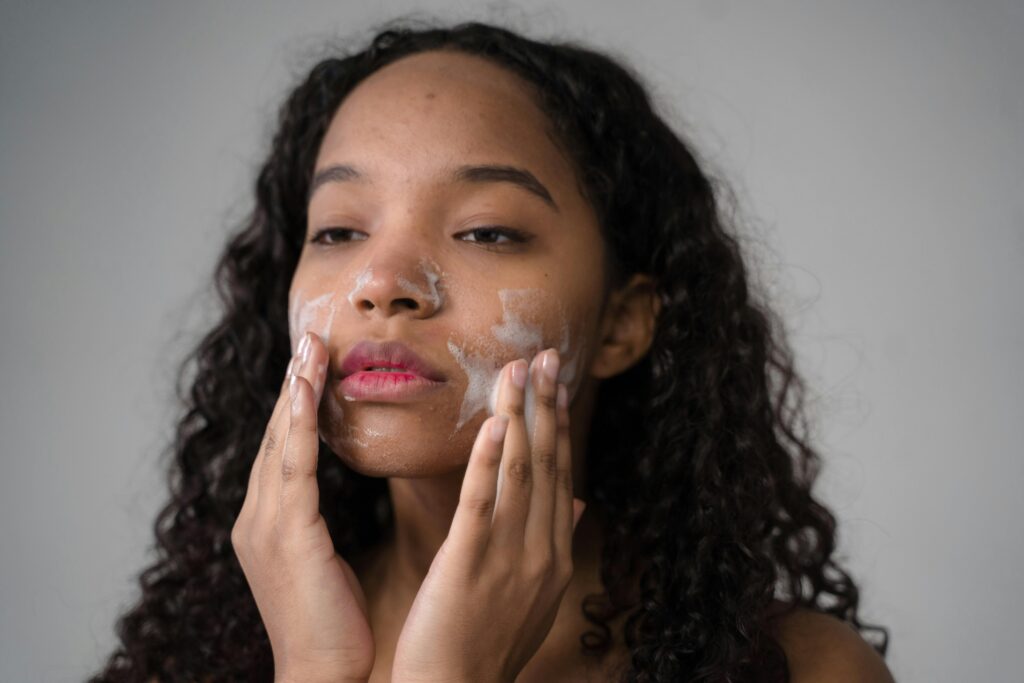
Understanding the medical science, lived symptoms and evidence-based treatments — explained by a doctor. Written by Dr Rinku Ratti MBBS (London) BSc (Hons) DRCOG DFFP MRCGP Level 7 Masters in Aesthetics Private GP, Cosmetic Doctor & Women’s Health Specialist Instagram: @thedoctorspractice | @drbikofficial | @drrinkuofficial Introduction In our aesthetic clinic in Edgbaston, Birmingham, hyperpigmentation is one of the most frequently discussed concerns. Patients often describe it simply as “uneven skin tone” or “dark patches that won’t fade”. But clinically, pigmentation is not always just cosmetic. Sometimes it reflects post-inflammatory change following acne. Sometimes it signals hormonal shifts, metabolic changes or chronic ultraviolet exposure. Occasionally, it can indicate an underlying medical condition that requires investigation rather than exfoliation. Hyperpigmentation occurs when melanocytes — the pigment-producing cells in the epidermis — increase melanin production or deposit pigment unevenly within the skin. The visible result is darker patches, but beneath the surface lies a complex interaction between inflammation, hormones and cellular signalling. Understanding the biology determines whether treatment should focus on correction, regulation or investigation. The Science Behind Pigmentation Melanin is produced by melanocytes within the basal layer of the epidermis. Its primary role is photoprotection. When the skin is exposed to ultraviolet radiation, inflammatory mediators stimulate melanogenesis. Enzymes such as tyrosinase drive melanin synthesis, which is then transferred to keratinocytes. Research published in dermatological journals such as the Journal of Investigative Dermatology describes how chronic UV exposure increases melanocyte activity and alters melanosome distribution. Inflammatory signals — including cytokines released after acne lesions — can also upregulate melanin production. Pigmentation is therefore both protective and reactive. Biological Mechanisms Beneath Dark Patches Hyperpigmentation develops through several mechanisms: Increased melanin production Abnormal melanin distribution Dermal melanin deposition following inflammation Hormonal stimulation of melanocytes Post-inflammatory hyperpigmentation (PIH) follows injury or acne. Melasma, by contrast, is strongly influenced by hormonal signalling and ultraviolet exposure. In both conditions, melanocyte activity becomes dysregulated. Evidence suggests that oestrogen and progesterone can influence melanocyte stimulation, which partly explains why melasma is common during pregnancy or with hormonal contraception. Pigmentation is not random. It follows biological pathways. When Pigmentation Signals Something Deeper In clinic, uneven skin tone occasionally reveals systemic patterns. For example: Acanthosis nigricans may indicate insulin resistance. Diffuse pigmentation changes may accompany endocrine disorders. Chronic inflammatory acne can leave persistent post-inflammatory marks. This is why hyperpigmentation assessment should include medical history, hormonal context and metabolic evaluation where appropriate. It is not always simply a skincare issue. Patients struggling with acne-related pigmentation may benefit from understanding the inflammatory basis of breakouts, as explored in our discussion of adult acne and hormonal sensitivity. Lived Patterns in Women Hyperpigmentation frequently intensifies during: Pregnancy Perimenopause Periods of high stress Following inflammatory skin episodes As discussed in our guide to menopause-related skin changes, fluctuating oestrogen levels influence collagen density and melanocyte behaviour. Stress physiology also plays a role. Cortisol can exacerbate inflammatory pathways, indirectly influencing pigment production. Skin reflects endocrine balance. What Current Research Indicates Reviews in dermatology literature indicate that melasma involves both epidermal and dermal pigment deposition, with vascular and inflammatory components contributing to persistence. Research suggests that strict photoprotection remains foundational. Without UV control, treatment outcomes are limited. Importantly, over-aggressive resurfacing can worsen pigmentation in darker skin types. Inflammatory insult can amplify melanocyte activity. Treatment must therefore be calibrated and medically supervised. Myths About Hyperpigmentation One misconception is that pigmentation is purely cosmetic. In some cases, it is a dermatological signpost to deeper metabolic or hormonal shifts. Another myth is that stronger peels or lasers automatically produce better results. Excessive inflammation may worsen pigment irregularity. Finally, many believe pigmentation will fade without intervention. While superficial pigment may lighten, dermal deposition can persist for years. Restraint and strategy outperform intensity. Evidence-Based Treatment Approaches Management depends on the underlying mechanism. Options may include: Topical tyrosinase inhibitors Retinoids to normalise keratinocyte turnover Carefully selected chemical peels Targeted microneedling in appropriate cases Regenerative support as outlined in our overview of advanced hyperpigmentation treatments In some patients, metabolic or hormonal review may be warranted alongside aesthetic therapy. The objective is pigment regulation, not simply surface lightening. Lifestyle, Sunlight and Prevention Photoprotection is non-negotiable. Broad-spectrum sunscreen, protective clothing and behavioural sun avoidance remain central. UV radiation continues to stimulate melanogenesis even on overcast days. Dietary antioxidants and anti-inflammatory lifestyle measures may support overall skin resilience, though evidence varies in strength. Pigmentation control is cumulative. So is prevention. Assessment at The Doctor’s Practice At The Doctor’s Practice — a private GP-led clinic in Edgbaston, Birmingham — hyperpigmentation assessment begins with clinical differentiation. We evaluate: Distribution pattern Depth of pigment Hormonal history Inflammatory triggers Metabolic indicators where appropriate Our approach integrates medical insight with aesthetic precision. The aim is clarity — identifying whether pigment is reactive, hormonal or systemic before designing treatment. Uneven skin tone deserves medical interpretation. Frequently Asked Questions Is hyperpigmentation always cosmetic? No. In some cases, it reflects hormonal, inflammatory or metabolic processes. Can stress worsen pigmentation? Stress may exacerbate inflammatory signalling, which can indirectly influence melanocyte activity. Are pigmentation treatments safe for all skin types? Treatment must be tailored carefully, particularly in darker skin tones where inflammation can worsen pigment deposition. Is hyperpigmentation common in Birmingham clinics? Yes. We frequently assess pigmentation concerns at our clinic in Edgbaston, Birmingham. Will pigmentation return after treatment? It may recur if hormonal or UV triggers persist. Maintenance and photoprotection are essential. A Personal Note Hyperpigmentation can feel subtle yet deeply personal. It changes how light reflects on the face. It alters confidence quietly. But skin is dynamic. With correct assessment and measured intervention, improvement is achievable. The key is recognising when pigmentation is merely cosmetic — and when it is biological. Book an Appointment with Dr Rinku The Doctors Practice 7 Chad Square, Hawthorne Road Edgbaston, Birmingham B15 3TQ Website: https://www.thedoctorspractice.co.uk Book: https://thedoctorspractice.co.uk/book-an-appointment/ Google Maps: https://share.google.com/X4VOVkY3Vz5Fgfj1C Phone: 0121 661 2366 WhatsApp: +447388623527 Instagram: @thedoctorspractice | @drbikofficial | @drrinkuofficial References Grimes PE. Melasma. J Am Acad Dermatol. 1995;33(3):S56–S59. Passeron T, Picardo M. Melasma, a photoaging disorder. Pigment Cell Melanoma Res. 2018;31(4):461–465. https://doi.org/10.1111/pcmr.12685 Handog EB, et al. Acanthosis nigricans: clinical and etiologic
Adult Acne Explained by a Doctor: Hormones, Inflammation and the Physiology of Breakouts

A doctor’s insight into the science, skin biology and evidence behind this treatment. Written by Dr Rinku Ratti MBBS (London) BSc (Hons) DRCOG DFFP MRCGP Level 7 Masters in Aesthetics Private GP, Cosmetic Doctor & Women’s Health Specialist Instagram: @thedoctorspractice | @drbikofficial | @drrinkuofficial Introduction In our aesthetic clinic in Edgbaston, Birmingham, one of the most common concerns I see in women — and increasingly in men — is adult acne. It is often described as “unexpected”. Patients tell me they had clear skin as teenagers, only to develop persistent breakouts in their late twenties, thirties or even forties. Adult acne is not simply teenage acne delayed. It reflects a complex interplay between hormonal sensitivity, inflammatory signalling and stress physiology. It frequently overlaps with menstrual changes, lifestyle pressure, gut health shifts and sleep disturbance. Beneath the surface, adult acne is driven by androgen sensitivity at the level of the sebaceous gland, altered keratinocyte turnover within the follicle and low-grade inflammatory cascades within the dermis. It is less about oil alone and more about signalling — how skin cells respond to hormonal and metabolic cues. The Science Behind Adult Acne Acne vulgaris is a multifactorial inflammatory condition of the pilosebaceous unit. Four biological processes are central: Increased sebum production Follicular hyperkeratinisation Colonisation with Cutibacterium acnes Inflammatory mediator release Research published in The Journal of Investigative Dermatology and The Lancet discusses how adult female acne is often associated with androgen receptor sensitivity rather than absolute hormone excess. This is an important distinction. Many patients have “normal” blood hormone levels, yet their skin responds as if androgens are elevated. The sebaceous gland is particularly sensitive to dihydrotestosterone (DHT), which influences sebum production and follicular behaviour. Inflammation, not simply oil, drives the visible lesions. Hormonal Sensitivity and the Skin Adult acne frequently follows a cyclical pattern. Breakouts along the jawline, chin and lower cheeks often intensify in the luteal phase of the menstrual cycle. This reflects fluctuations in progesterone and relative androgen activity. In some patients, acne overlaps with conditions such as polycystic ovary syndrome, explored further in our discussion of PCOS and insulin resistance. However, not all adult acne indicates endocrine pathology. Research suggests that even subtle insulin resistance may amplify androgen signalling at the sebaceous gland level. Hormones influence skin — but sensitivity matters as much as concentration. Stress, Inflammation and Modern Physiology Stress is not merely psychological. Cortisol and other stress mediators influence sebaceous gland activity and inflammatory pathways. Experimental studies indicate that stress can exacerbate acne severity, potentially through neuroendocrine signalling and increased inflammatory cytokines. Sleep deprivation further disrupts metabolic regulation and increases systemic inflammatory markers. In clinic, I often see adult acne emerge during periods of career pressure, motherhood, hormonal transition or major life change. Skin reflects internal physiology. Skin Changes and Clinical Patterns in Adults Adult acne differs subtly from adolescent acne. Common features include: Predominantly lower-face distribution Deeper, inflammatory papules Post-inflammatory hyperpigmentation Scarring risk due to persistent inflammation Co-existing skin sensitivity Many patients also experience textural irregularity and pigmentation changes, which may overlap with concerns discussed in our review of advanced hyperpigmentation. It is rarely just “spots”. It is often inflammation plus pigmentation plus barrier disruption. What Current Research Indicates Evidence suggests that adult female acne has both inflammatory and hormonal components. Reviews in dermatology journals highlight the role of androgen receptor sensitivity, sebaceous gland activation and inflammatory mediator cascades. Importantly, diet is not the sole cause — though high glycaemic load diets have been associated with acne severity in some cohort studies. Association does not equal causation, but metabolic influence is plausible. The emerging understanding is that adult acne is a systemic and dermatological condition combined. Myths About Adult Acne One myth is that adult acne reflects poor hygiene. It does not. Another is that it can be resolved purely with topical skincare. Topicals are helpful, but persistent adult acne often requires hormonal, metabolic or anti-inflammatory support. There is also the misconception that stronger exfoliation improves acne. Over-exfoliation can disrupt the barrier, increasing irritation and post-inflammatory pigmentation. Restraint and precision are more effective than aggression. Evidence-Based Treatment Pathways Treatment must be individualised. Depending on the pattern, this may include: Topical retinoids Anti-inflammatory agents Hormonal regulation where appropriate Targeted antibiotic therapy for inflammatory flares Skin barrier repair strategies At our aesthetic clinic in Birmingham, we often combine medical management with structural skin support via microneedling or carefully selected chemical peels once active inflammation is controlled. For some patients, regenerative approaches explored in our overview of polynucleotides and skin repair assist with scarring and dermal recovery. The goal is long-term stability — not short-term suppression. Lifestyle and Hormonal Balance Nutrition quality, sleep consistency and stress modulation matter. Insulin sensitivity influences androgen expression. Exercise improves metabolic regulation. Adequate sleep reduces inflammatory signalling. For women approaching perimenopause, fluctuating oestrogen levels may influence skin behaviour, as discussed in our guide to menopause-related skin changes. Skin health is hormonal health. Assessment at The Doctor’s Practice At The Doctor’s Practice — a private GP-led clinic in Edgbaston, Birmingham — adult acne assessment begins with structural and systemic evaluation. We consider: Hormonal pattern Menstrual history Metabolic markers Inflammatory features Scarring risk Skin barrier integrity Where appropriate, blood testing and endocrine review may be incorporated alongside dermatological management. Adult acne deserves thoughtful, medically grounded care. Frequently Asked Questions Why do I have acne in my thirties? Adult acne is often linked to hormonal sensitivity, inflammation and stress physiology rather than simple oil excess. Do I need hormone testing? Not always. Testing is considered when symptoms suggest endocrine imbalance. Can stress really cause acne? Stress can exacerbate inflammatory pathways and influence sebaceous gland activity. Is adult acne common in Birmingham clinics? Yes. We regularly assess adult acne at our clinic in Edgbaston, Birmingham. Will aesthetic treatments worsen active acne? Certain treatments should only be performed once inflammation is controlled. A structured plan prevents exacerbation. A Personal Note Adult acne can feel uniquely frustrating. It arrives at a stage of life when confidence is expected, not questioned. It often overlaps with professional visibility and personal responsibility. But it is
What Is Regenerative Aesthetics? A Clinical Definition Based on Skin Biology

The medical science and skin physiology explained with clarity and clinical experience. Written by Dr Rinku Ratti MBBS (London) BSc (Hons) DRCOG DFFP MRCGP Level 7 Masters in Aesthetics Private GP, Cosmetic Doctor & Women’s Health Specialist Instagram: @thedoctorspractice | @drbikofficial | @drrinkuofficial Introduction In our aesthetic clinic in Edgbaston, Birmingham, the term regenerative aesthetics has become increasingly common in consultation rooms. It is used to describe treatments that promise natural rejuvenation, collagen stimulation and skin repair. But clinically, what does it actually mean? Regenerative aesthetics refers to medical treatments designed to stimulate the skin’s intrinsic repair mechanisms — rather than simply adding volume or temporarily relaxing muscle movement. It is rooted in skin biology. It respects tissue physiology. It works with the dermis rather than merely altering its surface. Beneath the epidermis lies a structured network of collagen fibres, elastin bundles, extracellular matrix components and fibroblasts. With age, collagen production declines, elastin fragments and dermal thickness reduces. Regenerative treatments aim to encourage fibroblast activation, support neocollagenesis and improve overall dermal integrity. They suit patients seeking structural refinement and subtle resilience rather than dramatic transformation. The Science Behind Skin Regeneration Ageing is a biological process, not simply a cosmetic concern. Histological research published in the Journal of Investigative Dermatology has demonstrated reduced type I collagen production in aged and photoaged skin. Collagen is not merely a structural protein; it determines tensile strength, elasticity and dermal thickness. Over time, ultraviolet exposure, oxidative stress and intrinsic ageing reduce fibroblast activity. The extracellular matrix becomes less organised. Skin reflects light differently. Fine lines emerge not solely from movement but from structural decline. Regenerative aesthetics focuses on influencing this environment. Rather than filling space, it stimulates biological response. Biological Mechanisms Beneath the Surface When controlled micro-injury or targeted dermal stimulation occurs, a repair cascade is triggered. Inflammatory mediators are released in a measured fashion. Growth factors signal fibroblast activation. Collagen synthesis increases. The extracellular matrix reorganises. This process — often described as collagen induction therapy in dermatological literature — has been examined in systematic reviews of microneedling techniques published in Dermatologic Surgery. Evidence suggests that controlled stimulation can result in increased dermal collagen deposition over time. The key is precision and medical restraint. Regeneration is gradual. It respects physiological limits. Skin Changes and Ageing Patterns Ageing presents differently in each patient. Some experience early volume loss. Others notice thinning, crepey texture or diffuse dullness long before deeper folds appear. Common features that indicate declining dermal quality include: Reduced elasticity Early laxity along the jawline Periorbital thinning Fine lines that persist even at rest Loss of luminosity These changes are structural rather than volumetric. Regenerative treatments aim to strengthen tissue architecture so that skin appears fresher not because it is filled, but because it is supported. What Current Research Indicates Dermatological studies evaluating microneedling and other collagen-stimulating modalities suggest improvements in dermal thickness and skin elasticity over several months. Importantly, results are progressive rather than immediate. Evidence indicates that collagen remodelling continues for weeks following treatment. This aligns with biological timelines. Collagen synthesis is not instantaneous. Regenerative aesthetics therefore appeals to patients who value subtlety and patience. Myths and Misconceptions One misconception is that regenerative treatments are “natural” and therefore inherently simple. They are medical procedures requiring anatomical knowledge and understanding of skin physiology. Another myth is that they replace traditional approaches such as anti-wrinkle treatments. In reality, they address different aspects of ageing. Neuromodulators soften dynamic lines; regenerative therapies influence tissue quality. It is not about choosing one philosophy over another. It is about appropriate integration. Evidence-Based Regenerative Options Modern regenerative strategies may include: Collagen induction through microneedling Injectable bio-remodelling treatments Skin boosters designed to improve hydration and dermal support Carefully selected advanced injectables At our clinic, these approaches are incorporated within a broader medical aesthetics framework designed around individual skin biology. For those exploring nucleic acid-based biostimulation, we discuss this further in our clinical overview of polynucleotides and their benefits for your skin. The emphasis is always on tissue integrity rather than trend. Lifestyle, Hormones and Regeneration Skin is not isolated from systemic physiology. Smoking impairs fibroblast function. Ultraviolet exposure accelerates collagen breakdown. Hormonal shifts — particularly during menopause — influence dermal thickness and elasticity. As explored in our discussion of menopause-related skin changes, declining oestrogen levels are associated with reduced collagen density. Regenerative treatments work best when aligned with lifestyle optimisation and hormonal awareness. Skin health is cumulative. Assessment at The Doctor’s Practice At The Doctor’s Practice — a private GP-led clinic in Edgbaston, Birmingham — regenerative aesthetic consultations begin with structural assessment rather than product selection. We evaluate: Dermal quality Elasticity Volume distribution Facial movement patterns Skin thickness Treatment plans are designed conservatively, prioritising progressive improvement. Our aesthetic clinic in Birmingham is built around medical restraint. The aim is enhancement that is perceptible in vitality, not obvious in alteration. Frequently Asked Questions What does regenerative aesthetics mean in simple terms? It refers to treatments that stimulate the skin’s own repair mechanisms to improve quality and structure over time. Is regenerative treatment suitable for early ageing? Yes. It is often chosen by patients noticing subtle textural changes rather than deep structural loss. How long does it take to see results? Improvements develop gradually over weeks to months as collagen remodelling occurs. Are regenerative treatments available in Birmingham? Yes. We provide regenerative aesthetic consultations at our clinic in Edgbaston, Birmingham. Do regenerative treatments replace fillers? They address different aspects of ageing and may complement structural treatments when appropriate. A Personal Note Aesthetic medicine has evolved. Where once the focus was immediate change, there is now a shift towards longevity — towards working with biology rather than against it. Regenerative aesthetics reflects that maturity. It is not about doing more. It is about supporting what the skin is already designed to do. Book an Appointment with Dr Rinku The Doctor’s Practice 7 Chad Square, Hawthorne Road Edgbaston, Birmingham B15 3TQ Website: https://www.thedoctorspractice.co.uk Book: https://thedoctorspractice.co.uk/book-an-appointment/ Google Maps: https://share.google.com/X4VOVkY3Vz5Fgfj1C Phone: 0121 661 2366 WhatsApp: +447388623527 Instagram: @thedoctorspractice | @drbikofficial | @drrinkuofficial References Quan T, et al. Reduced type