
Testosterone Replacement Therapy (TRT) Clinic Birmingham
Expert TRT Services in Edgbaston Birmingham
Testosterone Replacement Therapy (TRT) is a medical treatment used to restore normal testosterone levels in men who have low or depleted testosterone, aiming to alleviate symptoms and improve overall well-being. At The Doctors Practice in Edgbaston, Birmingham, Dr Bik provides professional, discreet testosterone replacement therapy for men experiencing symptoms such as fatigue, low libido, mood changes, erectile dysfunction, weight gain, reduced muscle mass, and poor concentration.



How can we help?
- Specialist assessment for low testosterone symptoms
- Hormone blood testing and diagnostic screening
- Personalised TRT treatment plans
- Ongoing monitoring with Dr Bik
- Confidential appointments with flexible scheduling
Potential TRT Benefits
Restored Energy Levels: Medically supervised testosterone therapy can help combat fatigue, low motivation, and constant tiredness despite adequate sleep.
Improved Mood & Mental Clarity: Low testosterone may contribute to irritability, depression, anxiety, mood swings, brain fog, and difficulty concentrating. A carefully monitored treatment plan may support better mental health and hormonal balance.
Enhanced Physical Performance: Men with low testosterone can experience decreased muscle mass and strength. TRT may help improve muscle mass, body composition, training response, and recovery when combined with the right lifestyle, nutrition, and sleep habits.
Better Sleep Quality: Hormonal imbalances can affect sleep patterns and insomnia. We also screen for concerns such as sleep apnea, because untreated severe sleep apnoea may make TRT unsafe.
Increased Libido: TRT may improve low libido, erectile dysfunction, sex drive, confidence, and broader sexual health when symptoms are linked to low testosterone.
Long-term Health Benefits: Testosterone plays a role in bone density, metabolic health, and overall health. Evidence suggests TRT can support quality of life, although long-term treatment still requires careful medical guidance, regular blood tests, and risk prevention.
SIMPLE & STRESS FREE
How it works
Three steps from first contact to a clear plan — most appointments are available the same day.
01 Book
Book online, call, or WhatsApp for a same-day appointment — in clinic, by video or at home.
02 Consultation
A thorough consultation with Dr Rinku or Dr Bik, GMC-registered doctors who take the time to listen.
03 Follow Up
Follow up, or regular care, if you need it.
Why Choose TRT at The Doctors Practice
Our clinic offers a medically led approach to hormonal health, with detailed assessment, blood test diagnostics, treatment options tailored specifically to your individual needs, and ongoing monitoring for safety and effectiveness. Dr Bik and Dr Rinku are highly experienced medical doctors, and your care is based on your symptoms, medical history, lifestyle, hormone levels, and overall health-not a quick prescription after one appointment.
Professional TRT treatment can help men with low testosterone regain control of energy, libido, mood, strength, and wellbeing when a true deficiency is confirmed. Testosterone levels naturally decline with age, but some men age faster hormonally than expected, developing low testosterone levels that affect day-to-day life, sexual health, mental health, and physical performance.
When clinically appropriate, TRT can deliver substantial improvements in sexual health, body composition, mental wellbeing, energy, and long-term health.

Why Patients Trust Us

CQC Regulated

Expert Doctors

5 Star Clinic
Over 200 5-Star Google Reviews

Clinical Setting
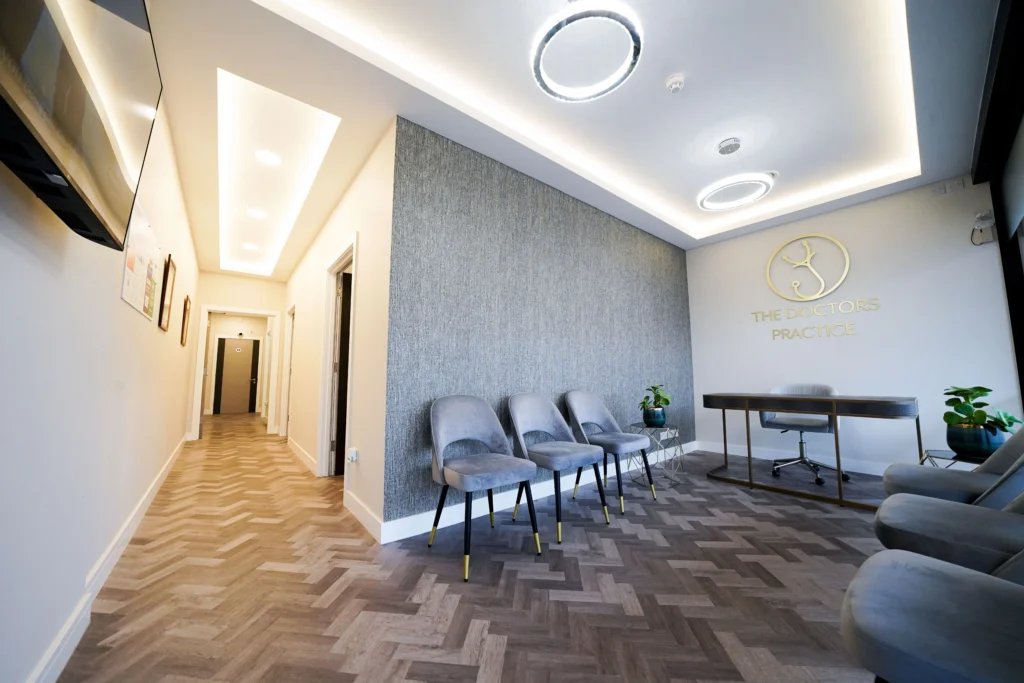
Safe & Luxurious Clinic Rooms

Same Day Appointments
Evening & Weekend Availability

Transparent Pricing
Men’s Hormone Health Birmingham
We provide comprehensive testosterone deficiency diagnosis and treatment for men of all ages in Birmingham and the wider West Midlands. Your care begins with an initial consultation covering individual symptoms, medical history, lifestyle, sleep, stress, nutrition, alcohol intake, exercise, fertility plans, mental health, sexual health, and existing conditions such as diabetes or heart disease.
We provide comprehensive assessments, including blood tests to measure testosterone levels, as part of the diagnosis and treatment process. At The Doctors Practice, we take this process seriously. Initial diagnostic blood testing for TRT requires total testosterone readings, with most clinics mandating two separate, confirmed low readings before prescribing. Reputable clinics will not prescribe testosterone based on a single consultation and require comprehensive evaluations, including physical examinations and at least two fasting blood tests.
Your treatment plan is tailored specifically to your individual needs, rather than applying a standard protocol to every patient. TRT can be administered in various forms, including injections, topical gels, or patches, depending on individual lifestyle and health needs. Regular blood tests are recommended before starting TRT and periodically thereafter to monitor testosterone levels and ensure they remain within the normal range.
Meet our doctors
Get to know Dr Bik & Dr Rinku
A short introduction to the doctors who’ll be looking after you.

Over 20 years’ medical experience, including extensive NHS experience, with a special interest in men’s health and preventive medicine. Known for thorough, unhurried consultations and a personalised approach to care.

Over 20 years of medical experience, including many years within the NHS, with a special interest in women’s health, menopause, hormonal wellbeing and healthy ageing. Known for her warm, personalised approach and clear explanations.
Patient Trust and Reviews
- One of Birmingham's top rated private clinics
- Doctors with over 20 years of experience
- Thorough consultations with Dr Rinku or Dr Bik before any treatment begins
- Over 200 5-star reviews
- CQC regulated clinic with full medical governance and emergency protocols
- Personalised treatment plans tailored to your skin, age and lifestyle


Our Executive Health TRT Programs are designed for busy professionals who want discreet hormone replacement therapy with efficient appointments, clear guidance, and continuity of care. We understand that many men delay seeking help because of work pressure, stress, family commitments, embarrassment, or long waiting list concerns.
The Doctors Practice offers flexible appointments, including face-to-face consultations in Edgbaston and remote consultation options where clinically appropriate. We aim to offer same day or prompt appointments whenever availability allows, and you can book directly through our online booking process.
This service is not just about testosterone. We focus on overall health, early detection, prevention, hormonal balance, cardiovascular risk, sleep, mood, weight gain, muscle mass, wellbeing, libido, and long-term health. If a qualified endocrinologist is needed for complex hormonal imbalances, pituitary concerns, fertility preservation, or specialist endocrine diagnosis, we will explain this clearly and help guide the next step.
Testosterone Gel Applications: Daily topical gels such as Testogel or Tostran can provide steady hormone levels without injections. Topical gels suit men who prefer a simple daily routine, although care is needed to avoid skin irritation or transfer to partners or children.
Intramuscular Injections: Injectable testosterone options can include weekly intramuscular injections, Sustanon 250 every 2–3 weeks, or longer-acting Nebido every 10–14 weeks. Injections may be suitable for men who prefer less frequent dosing and reliable absorption.
Testosterone Patches: Patches can provide a convenient 24-hour hormone delivery system.
Subcutaneous Injections: Self-administered micro-injections can allow precise dosing and may help some patients maintain more stable testosterone levels. This option is considered based on medical suitability, confidence with injections, and monitoring results.
Testosterone Pellets: Longer-acting testosterone pellets may last around 3–6 months and can be convenient for some lifestyles.
Combination Therapies: Some men need tailored multi-modal approaches for complex cases, especially where fertility, estradiol levels, low libido, erectile dysfunction, mood changes, or wider hormonal imbalances are involved. TRT suppresses natural sperm production, so men who want future fertility need specific guidance before starting replacement therapy.
Step 1: Initial Consultation & Assessment
Your TRT process starts with an initial consultation with Dr Bik. During the initial consultation for testosterone therapy, a comprehensive assessment of symptoms, medical history, and lifestyle is conducted to understand the patient’s concerns.
We review common signs of low testosterone, including fatigue, low libido, erectile dysfunction, mood changes, anxiety, depression, mood swings, insomnia, weight gain, reduced muscle mass, lower strength, poor concentration, reduced motivation, and constant tiredness despite adequate sleep. We also assess wider health factors such as stress, nutrition, alcohol intake, skin changes, acne, sleep apnea risk, diabetes, heart disease, fertility goals, medication use, and family history.
A physical examination may be recommended, and we discuss what you want to achieve from treatment. This ensures your diagnosis is based on the full clinical picture-not just one blood test result.
Step 2: Comprehensive Blood Testing
Comprehensive blood testing before starting therapy includes measuring total testosterone, free testosterone, estradiol, PSA, and red blood cell counts. We may also assess LH, FSH, SHBG, thyroid function, liver health, lipids, cardiovascular markers, kidney function, glucose control, and other relevant hormone levels depending on your symptoms and medical history.
Initial diagnostic blood testing for TRT requires total testosterone readings, with most clinics mandating two separate, confirmed low readings before prescribing. In UK practice, total testosterone is commonly tested in the morning, often fasting, because hormone levels fluctuate during the day. If total testosterone is borderline, free testosterone can help clarify whether levels are truly low for your body.
Regular blood tests are recommended before starting TRT and periodically thereafter to monitor testosterone levels and ensure they remain within the normal range. Blood tests to measure testosterone levels are recommended before starting therapy and again three months after initiation to ensure that dosage levels do not exceed the normal range. Ongoing monitoring also helps reduce risks such as raised red blood cell count, PSA changes, liver strain, or dose-related side effects.
Step 3: Personalised Treatment Plan
Once your results are available, Dr Bik will review your diagnosis, explain your hormone levels, and discuss whether testosterone replacement therapy is appropriate. If your testosterone levels are not low, or if symptoms are more likely caused by another medical issue, we will advise you honestly and recommend the right next step.
If treatment is suitable, your TRT plan is tailored specifically to your individual needs, lifestyle, symptoms, safety profile, fertility plans, and preferences. TRT can be administered in various forms, including injections, topical gels, or patches, depending on individual lifestyle and health needs.
We explain the expected benefits, possible side effects, treatment options, monitoring requirements, and long-term commitment. TRT typically entails a long-term commitment; ceasing treatment will revert testosterone levels to baseline deficient levels. This is why careful decision-making, informed consent, and ongoing medical guidance are essential before beginning therapy.
Step 4: Ongoing Monitoring & Support
TRT is not a “set and forget” treatment. We provide regular follow-up appointments to track progress, review symptoms, monitor blood results, adjust dosing, and support your overall wellbeing.
We should continue to monitor health markers such as red blood cell count, prostate-specific antigen (PSA) levels, and liver function to manage safety. We also review libido, erectile dysfunction, mood, energy levels, sleep quality, skin or acne changes, weight, muscle mass, blood pressure, and any symptoms that suggest the dose may need adjustment.
You can read more about testosterone in our articles section. Some articles include:
Low Testosterone and Diabetes: The Hidden Hormone Link Doctors Are Now Screening For
Testosterone and Spinal Cord Injury: A Doctor Explains the Hidden Hormonal Changes
Magnesium and Testosterone: Can It Naturally Improve Hormone Levels? — A Doctor’s Guide
Zinc and Testosterone: How This Essential Mineral Supports Men’s Hormones — A Doctor’s Guide
FAQs
What are the signs I might need TRT?
Common signs of low testosterone include constant tiredness despite adequate sleep, decreased muscle mass and strength, and difficulty concentrating. Low testosterone can lead to symptoms such as fatigue, muscle loss, weight gain, low libido, and mental health challenges.
Men with low testosterone may experience mood changes, including irritability, depression, anxiety, and mood swings. Other symptoms may include erectile dysfunction, reduced sex drive, poor motivation, insomnia, increased body fat, lower confidence, and reduced wellbeing.
How quickly will I see results from TRT?
Some men notice improvements in libido, mood, and energy within 2–4 weeks. Physical changes such as improved muscle mass, strength, fat loss, and body composition may become more noticeable after 6–12 weeks. Longer-term effects on bone density and wider health may take several months.
Blood tests to measure testosterone levels are recommended before starting therapy and again three months after initiation to ensure that dosage levels do not exceed the normal range. Consistency matters: TRT works best when treatment, monitoring, sleep, nutrition, exercise, and stress control are aligned.
Is TRT safe for long-term use?
TRT can be safe for appropriately selected men when properly monitored by experienced physicians, but it is not suitable for everyone. TRT suppresses natural sperm production and may not be safe for individuals with active prostate or breast cancer, untreated severe sleep apnoea, or advanced heart failure.
Regular blood tests are recommended before starting TRT and periodically thereafter to monitor testosterone levels and ensure they remain within the normal range. Monitoring should include red blood cell count, PSA levels, liver function, and other health markers. Side effects can include acne, fluid retention, raised red blood cell count, fertility suppression, prostate monitoring issues, and worsening of sleep apnea in susceptible patients.
TRT typically entails a long-term commitment; ceasing treatment will revert testosterone levels to baseline deficient levels. This should be discussed fully before starting therapy.
What makes The Doctors Practice different?
The Doctors Practice is a private clinic in Edgbaston, Birmingham, led by highly experienced medical doctors Dr Bik and Dr Rinku. We provide discreet, medically supervised testosterone therapy with a strong focus on diagnosis, safety, continuity of care, and personalised treatment plans.
We do not prescribe testosterone based on a single consultation. Reputable clinics will not prescribe testosterone based on a single consultation and require comprehensive evaluations, including physical examinations and at least two fasting blood tests. Our approach includes detailed symptom review, medical history, lifestyle assessment, blood testing, treatment options, and ongoing follow-up.
Our Edgbaston location is convenient for Birmingham patients, and our flexible appointment options make it easier to access care without unnecessary delays or a long waiting list.
Do you offer same-day appointments?
The Doctors Practice offers private GP appointments, including same-day face-to-face consultations where available, as well as video and telephone appointments. Evening and weekend availability may also be offered depending on clinic scheduling.
We aim to provide flexible, discreet access to care in Edgbaston, with follow-up from the same doctor wherever possible.
What areas do you provide TRT support for?
Our Edgbaston clinic serves clients throughout Birmingham and surrounding areas, including Birmingham City Centre, Harborne, Sutton Coldfield, Solihull, Four Oaks, Moseley, Kings Heath, Jewellery Quarter, Bournville, Digbeth, West Bromwich and more.
Articles


Zinc and Testosterone: How This Essential Mineral Supports Men’s Hormones — A Doctor’s Guide
Zinc and Testosterone: How This Essential Mineral Supports Men’s Hormones — A Doctor’s Guide A doctor’s evidence-based explanation of the science, symptoms and pathways behind this topic. Written by Dr Bikram Ratti MBBS (London) MRCGP Private GP & Men’s Health


Magnesium and Testosterone: Can It Naturally Improve Hormone Levels? — A Doctor’s Guide
A doctor’s evidence-based explanation of the science, symptoms and pathways behind this topic. Written by Dr Bikram Ratti MBBS (London) MRCGP Private GP & Men’s Health Specialist The Doctor’s Practice, Birmingham Instagram: @drbikofficial | @thedoctorspractice Table of Contents Introduction The
Preventing Muscle Loss & Enhancing Longevity in Men | The Doctor’s Practice
By Dr. Bikram Ratti MBBS (London) MRCGP – Private GP and Medical Doctor at The Doctor’s Practice, Birmingham Taking control of your muscle health is key to staying active, strong, and independent as you age. Many men don’t realise that muscle decline starts in their