
Mens aesthetics: Five Popular Treatments- The Hidden Trend Transforming Modern Masculinity

Written by Dr Rinku Ratti, Aesthetic Doctor & Wellness Specialist The Doctor’s Practice, Edgbaston – Where the Art of Aesthetics Meets Medical-Grade Precision Aesthetic Treatments for Men: Why Demand Is Exploding in the UK The last few years have reshaped how men view their appearance. Research shows that many felt they aged at least five years during the pandemic, with increased stress, disrupted sleep, and endless video calls exposing every wrinkle, hollow, or tired expression. Increased visibility of their own faces on Zoom and Teams made many men realise: “I look more tired than I feel.” Recent UK research highlights the scale of this shift: 5.2 million men in the UK are considering dermal filler treatments 1 in 5 men say they are likely to have treatment in the future. Men seek aesthetic treatment primarily to: Look healthier (37%) Look good for their age (30%) Look more attractive (30%) The most requested male filler treatment areas are: Jawline Chin Lips Under-eye region At The Doctor’s Practice, we have seen this rise first-hand. What makes our male patients different is their focus on subtle, natural enhancements—refreshing rather than changing their appearance. And because all treatments are performed by qualified, experienced doctors, we combine the artistry of aesthetic design with medical-grade anatomical precision, ensuring results look masculine, authentic, and safe. Below are the five most popular treatments men are choosing in 2025 — and why our doctor-led approach makes all the difference. 1. Brotox for Men (Anti-Wrinkle Injections): Subtle, Strong, and Masculine Anti-wrinkle injections remain the top treatment for men wanting a fresher, more relaxed appearance. The media calls it Brotox, but in clinical practice, it’s simply a highly effective way to soften harsh expression lines. Why Men Choose Anti-Wrinkle Treatments Reduces deep frown lines (“11s”) Softens forehead creases Minimises crow’s feet Helps create a calm, more approachable expression Why Men Require a Different Technique Men typically have: Stronger facial muscles requiring higher doses Flatter, heavier brows A backward-sloping forehead Different aesthetic goals — maintaining strength, not smoothness At The Doctor’s Practice, we tailor anti-wrinkle injections specifically for male anatomy to ensure: Movement remains natural Masculinity is preserved Brows stay flat, never arched Results look refreshed, not “done” This is where doctor-led expertise matters — subtle differences in anatomy can dramatically change outcomes. 2. Periorbital Rejuvenation for Men: Brightening Tired Eyes The eyes reveal age before any other area — especially in men. Stress, lack of sleep, and genetics can all contribute to: Under-eye hollows Dark circles Volume loss in the temples Crow’s feet Our Doctor-Led Solutions We provide customised combinations of: Anti-wrinkle injections Temple and cheek filler Under-eye skin boosters Polynucleotides for advanced skin regeneration Rather than focusing on the tear trough alone, doctors at The Doctor’s Practice examine the whole mid-face structure to determine where support is truly needed. The result? Men look awake, healthier, and sharper, without any obvious signs of treatment. 3. Jawline Contouring for Men: Definition, Strength & Masculinity One of the fastest-growing male treatments is jawline contouring — driven by social media, celebrity trends, and a shift in male grooming culture. Why Jawline Filler for Men Is So Popular Enhances masculine structure Strengthens the side profile Reduces early jowling Achieves a sharper, more athletic look UK research shows the jawline and chin are now the most requested areas for male filler, reflecting a growing desire for structure and definition. Our Medical-Grade Technique At The Doctor’s Practice, jawline and chin enhancement are performed using: Advanced filler products formulated for high structural support Strategic injection points based on male anatomy A microcannula technique to reduce bruising and increase safety Men want a result that looks strong, not swollen — and that’s exactly what medical expertise delivers. 4. Mid-Face Filler for Men: Natural Lift and Under-Eye Support Mid-face filler is a powerful treatment for men who feel they look tired, flat, or older than they are. As men age, the cheek area can hollow or flatten, causing: Under-eye shadows Deepened nasolabial folds A “sad” or fatigued appearance What This Treatment Does Restores masculine cheek structure Provides natural mid-face lift Improves under-eye area without tear trough filler Softens heavy lines from the nose to mouth Why Doctor-Led Treatment Is Essential Injecting too medially or too superficially can feminise the face or cause puffiness. Our doctors use: High-viscosity fillers Precise anatomical planes Cannula techniques to improve safety The aim is structure, not softness — keeping the male aesthetic intact. 5. Filler for Lines and Folds: Subtle Rejuvenation for a Healthier Look Deep lines such as: Nasolabial folds Marionette lines Chin folds …can make men look tired or older than they feel. Why Men Choose This Treatment Creates a healthier, more balanced appearance Works excellently when combined with jawline or mid-face treatments Is particularly useful for men without facial hair to mask deeper folds At The Doctor’s Practice, these treatments are always part of a holistic, structured plan to make sure enhancements complement each other. Why Men Choose The Doctor’s Practice for Aesthetic Treatments Men choose us because our results are: Natural Masculine Doctor-delivered Medically safe Fully tailored Our approach blends: The art of facial aesthetics with Medical-grade anatomical precision Every treatment begins with a full facial analysis performed only by trained medical doctors with expertise in male anatomy. We use: Premium medical-grade products Evidence-based techniques Safety-first protocols A philosophy of subtle enhancement No overfilling. No dramatic changes. Just refined, natural-looking results that strengthen confidence. Final Thoughts: The Future of Male Aesthetics The pandemic may have triggered the surge, but the trend is here to stay. Men want to look healthier, more confident, and the best version of themselves — without losing their natural identity. At The Doctor’s Practice, we specialise in doctor-led, safe, natural, and masculine aesthetic treatments designed uniquely for men. [blog_posts style=”normal” columns=”3″ columns__md=”1″ image_height=”56.25%”]
Menopause & TRT: The Missing Link to Energy, Confidence and Wellbeing?

Written by Dr Rinku Ratti, GP & Hormone Specialist When women think about menopause treatment, they usually think about oestrogen and progesterone. But few realise that testosterone — traditionally seen as a “male hormone” — also plays a vital role in female health. Women produce testosterone naturally in the ovaries and adrenal glands, and levels start declining as early as their thirties, often falling by more than 50% by the time of menopause. For many women, this hormonal shift can lead to subtle yet life-changing symptoms. Recognising Low Testosterone in Women I see many women who come to me saying, “I’m on HRT, but I still don’t feel like myself.” They may have balanced oestrogen and progesterone, yet still experience: Low libido or reduced sexual satisfaction Loss of drive and motivation Difficulty building or maintaining muscle Weight gain despite healthy habits Emotional flatness or loss of confidence Fatigue, “burnout” and mental fog These symptoms are often attributed to stress, mood, or ageing — but research shows androgen deficiency may be an underlying cause. The Evidence Behind Testosterone Therapy in Women Contrary to popular belief, testosterone therapy for women is not new — it has been studied for over 70 years. The Global Consensus Position Statement (JCEM, 2019) — endorsed by leading menopause societies worldwide — confirms that testosterone can safely and effectively treat low sexual desire (HSDD) in postmenopausal women when prescribed correctly. Key research findings include: Improved sexual function: Women given physiological doses of testosterone experienced significant improvement in sexual desire, arousal, and satisfaction compared with placebo (Parish et al., JAMA Internal Medicine, 2020). Enhanced mood and wellbeing: Low testosterone correlates with lower quality-of-life scores, poorer mood, and reduced cognitive function in menopausal women (Islam et al., The Lancet Diabetes & Endocrinology, 2022). Physical benefits: Physiological testosterone can improve lean muscle mass and bone density, reducing frailty risk in later life (Kingsberg et al., Climacteric, 2021). However, this therapy is not a cosmetic fix or a shortcut for energy or weight loss. It must only be prescribed when clinically appropriate — in low doses, by trained clinicians, and with close monitoring. When Testosterone Therapy May Be Considered According to international guidelines, testosterone may be prescribed for women who have: Persistent loss of libido causing distress Exclusion of other medical causes (thyroid, depression, anaemia, etc.) Low or low-normal testosterone on testing No contraindications, such as active hormone-sensitive cancers Before treatment, I carry out a comprehensive evaluation including: Full hormone profile (oestrogen, progesterone, testosterone, SHBG) Thyroid and adrenal function Vitamin D, B12, and ferritin levels Blood sugar and lipid profile Liver and kidney function Lifestyle factors, sleep, and stress levels Only if all other potential causes are addressed and symptoms persist do we consider testosterone replacement therapy (TRT). How We Treat Safely When TRT is appropriate, the goal is to restore physiological balance — not to reach male levels. Women typically require tiny doses (around one-tenth of male TRT levels), delivered as a transdermal cream or gel compounded specifically for female use. Follow-up blood tests are performed at 8–12 weeks and periodically thereafter to ensure safety and efficacy. Common monitoring includes: Serum testosterone (total & free) SHBG Liver enzymes and lipids Clinical response and side-effects When prescribed responsibly, the risk of virilisation (e.g. acne, hair growth, deepened voice) is very low and usually reversible upon dose adjustment. Who Should Avoid TRT Testosterone therapy should not be used in women who are: Pregnant or breastfeeding Have active breast or uterine cancer Have severe liver or cardiac disease Using unregulated or online testosterone without supervision It should always be prescribed and monitored by a qualified hormone specialist — never purchased online or from non-medical sources. Real Case Example One of my patients, a 52-year-old executive, came to me after two years on standard HRT. Her hot flushes had settled, but she felt “emotionally flat” and had no libido. Blood tests revealed low testosterone and low vitamin D. After starting low-dose transdermal testosterone and optimising her nutrition, she noticed improvements within weeks — her motivation returned, her workouts became more effective, and intimacy in her marriage improved. At three months, follow-up tests showed her hormone levels had normalised, and she described feeling “alive again, not like a shadow of who I was.” Another patient, aged 48, had ongoing fatigue and loss of drive despite balanced oestrogen therapy. Investigation showed elevated SHBG and very low free testosterone. Adjusting her thyroid medication, adding magnesium, and introducing physiological testosterone brought marked improvement in energy and cognitive focus — all within three months. These results are consistent with published evidence showing that restoring androgen balance can improve sexual function, mood, and quality of life. A Note from Dr Rinku Many women tell me they feel “switched off” — as if their spark and confidence have faded. When clinically indicated, testosterone therapy can be transformative: ✅ More energy and motivation ✅ Restored libido and intimacy ✅ Improved muscle tone and bone strength ✅ Renewed confidence and wellbeing But not every woman needs testosterone — and it should never be prescribed blindly. Every woman deserves a comprehensive hormonal evaluation, not just oestrogen and progesterone replacement. Not every woman needs testosterone — but every woman deserves a full hormone evaluation, not just oestrogen and progesterone. References Davis, S. et al. “Global Consensus Position Statement on Testosterone Therapy in Women.” Journal of Clinical Endocrinology & Metabolism (2019). 🔗 https://academic.oup.com/jcem/article/104/10/4660/5556103 Islam, R. et al. “Testosterone therapy and women’s health: benefits and risks.” The Lancet Diabetes & Endocrinology (2022). 🔗 https://www.thelancet.com/journals/landia Parish, S. et al. “Testosterone for hypoactive sexual desire disorder in postmenopausal women.” JAMA Internal Medicine (2020). 🔗 https://jamanetwork.com/journals/jamainternalmedicine Kingsberg, S. et al. “Clinical use of androgens in perimenopausal and menopausal women.” Climacteric (2021). 🔗 https://www.tandfonline.com/toc/iclm20/current Reviews by the British Menopause Society 🔗 https://thebms.org.uk
Topical Steroid Withdrawal (TSW): The Silent Struggle Patients Want Doctors to Hear
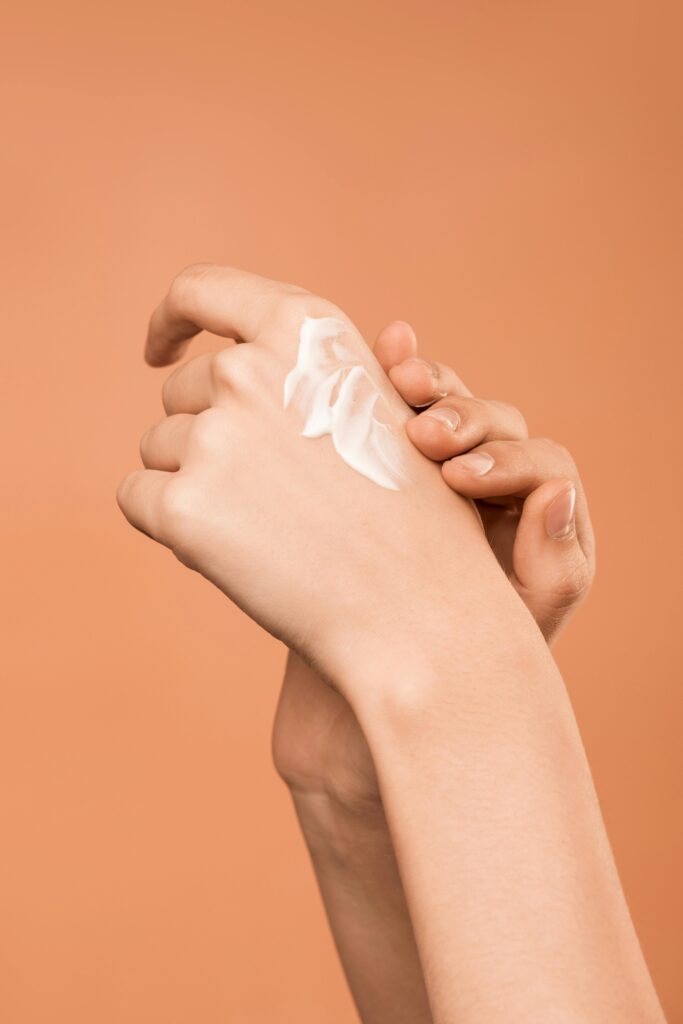
Written by Dr Rinku Ratti, GP & Skin Health Specialist TSW Skin disease doesn’t just live on the surface. For many patients with eczema or dermatitis, disrupted sleep, reduced confidence, lost school or work days, and anxiety are daily realities. In recent years, an increasing number of patients have reported severe burning, redness, and “rebound” flares when stopping topical corticosteroids (TCS). This cluster of symptoms is often referred to as Topical Steroid Withdrawal (TSW) or “Red Skin Syndrome.” While terminology and diagnostic criteria are still evolving, it’s vital that clinicians adopt a clear, evidence-based approach that validates patient experiences, rules out dangerous mimics, and provides safe, structured care. What Is TSW — and What Do We Actually Know? Professional bodies acknowledge that TSW-type reactions can occur, but the condition remains not universally defined. In 2024, the British Association of Dermatologists (BAD) — together with the National Eczema Society (NES) and others — released a joint statement and established a working group to develop expert consensus guidance. Key points include: Most TCS side effects are well understood. TSW-type reactions are less well characterised and require careful, individualised assessment. Clinicians should listen, investigate, and avoid dismissive attitudes. What Patients Commonly Report with TSW Burning, red or “raw” skin, often beyond the original eczema area Flares when TCS are tapered or stopped Marked skin sensitivity and stinging with moisturisers Intense itching that disrupts sleep and concentration Emotional distress and a sense of being dismissed The National Eczema Society stresses the importance of listening and validating patient concerns, avoiding a “pro-steroid vs anti-steroid” stance. Instead, clinicians should focus on pragmatic, safe, and supportive care tailored to the individual. GP Assessment: Rule Out Mimics, Document Clearly, Plan Safely At The Doctor’s Practice, we follow a structured, methodical approach when TSW is suspected. 1. History of Exposure Potency, quantity, frequency, and duration of TCS use Areas applied, any occlusion, and recent escalation or tapering Use of other topicals (calcineurin inhibitors, keratolytics, antimicrobials, cosmetics) 2. Examination Distribution and pattern — is it extending beyond the initial eczema? Signs of warmth, oozing, or crusting Look for infection (bacterial, viral, fungal) or secondary changes (lichenification, excoriation) Consider contact allergy 3. Differentials to Consider or Exclude Uncontrolled atopic dermatitis Allergic contact dermatitis Seborrhoeic dermatitis Periorificial dermatitis Tinea incognito Scabies Impetiginisation Erythroderma Drug eruption (Rarely) systemic corticosteroid effects or adrenal suppression 4. Baseline Tests (Where Helpful) FBC, CRP, ESR – to check for systemic inflammation Vitamin D, ferritin, B12, zinc – for immune and barrier function support HbA1c – if recurrent infection or delayed healing Swabs – if oozing or secondary infection suspected Full allergy profile – to assess inflammatory or environmental triggers Management: Honest Expectations, Barrier-First Care, Rational Therapy There is no single quick cure. At The Doctor’s Practice, we create a stepwise plan with clear, realistic goals. 1. Skin-Barrier Repair Use bland, fragrance-free emollients (ointments are often best tolerated) Take short, lukewarm baths or showers Avoid fragranced products and soaps Consider ceramide-rich formulations for barrier restoration 2. Trigger Control Manage sweat, heat, and friction Use breathable fabrics Address stress, anxiety, and sleep hygiene 3. Infection Strategy Maintain a low threshold for swabbing warm, oozing, or worsening areas Treat confirmed bacterial, viral, or fungal infections promptly Educate patients on infection warning signs Advanced and Adjunctive Therapies- Cold Atmospheric Plasma (CAP) Emerging dermatology research suggests CAP therapy may: Reduce Staphylococcus aureus bacterial load Support healing and tissue regeneration Modulate inflammatory pathways Improve barrier recovery Small studies in atopic dermatitis have shown improvement in redness, itching, and bacterial balance, with excellent safety profiles. CAP therapy is a clinic-grade medical procedure, not a salon or spa treatment, and is carried out under medical supervision. LED / Photobiomodulation (PBM) Clinical reviews indicate that LED light therapy can help reduce inflammation in chronic skin conditions, including eczema, by promoting mitochondrial repair and improving circulation. While research quality varies, PBM is considered safe and effective as an adjunct when used correctly in medical settings. At our clinic, it is offered selectively — alongside medical treatment, not in place of it. Our Philosophy at The Doctor’s Practice We don’t promise quick fixes — but we promise to listen. For patients experiencing TSW-like symptoms, feeling heard and supported is the most important first step. Our approach combines: Holistic doctor led skin care – addressing medical, lifestyle, and emotional aspects Evidence-based medicine – guided by dermatology consensus Long-term planning – realistic timelines and regular follow-up The goal is not only to manage the skin but to help restore confidence, comfort, and control over daily life. References 1.Hajar, T. et al. “Topical corticosteroid withdrawal: systematic review of clinical features.” Journal of the American Academy of Dermatology (2021). 🔗 https://www.jaad.org Rapaport, M. et al. “Steroid addiction and withdrawal in dermatology.” Clinical Dermatology (2022). 🔗 https://www.sciencedirect.com/journal/clinics-in-dermatology National Eczema Association: TSW Research Summary 🔗 https://nationaleczema.org Ohtsuki, M. et al. “Rebound phenomenon and perioral dermatitis after chronic steroid use.” British Journal of Dermatology (2023). 🔗 https://bjddom.org International Eczema Council – Clinical guidance on TCS withdrawal 🔗 https://www.eczemacouncil.org The Doctors Practice Edgbaston, Birminghamwww.thedoctorspractice.co.ukTel: 0121 661 2366 | WhatsApp: 07388 623527Doctor-led private GP & aesthetic clinic
The Truth About Food Intolerance & IBS – When Should You Get Tested?

By Dr. Bikram Ratti MBBS (London) MRCGP – Private GP at The Doctor’s Practice, Birmingham Bloating. Cramping. Fatigue. Gut symptoms can take over someone’s life, and many patients feel ignored or dismissed. A common confusion I see daily is the difference between: Food intolerance Food allergy Irritable bowel syndrome (IBS) These are very different conditions — and testing needs to be done correctly. Food Intolerance vs Food Allergy Food Allergy = Rapid immune reaction (hives, swelling, anaphylaxis) Intolerance = Slower digestive response (bloating, cramps, diarrhoea) IgG finger-prick “food intolerance tests” sold online are unreliable. The British Society of Allergy & Clinical Immunology (BSACI) warns against them. IBS — Why It’s So Common IBS affects 1 in 10 people. Causes include: Stress and gut-brain imbalance Food triggers Hormonal changes Post-infection inflammation NICE Guidelines recommend screening for Coeliac disease in IBS because symptoms often overlap. When Testing Is Important Symptoms > 6 weeks Weight loss or blood in stool Severe bloating, fatigue or anaemia Strong family history We offer: Coeliac screening H. pylori testing Stool inflammation markers Full gut health panels Lactose / celiac testing where appropriate What Actually Helps IBS Low FODMAP diet (Gastroenterology Journal, 2020) Stress management & gut-brain therapy Probiotics (selected strains) Treating deficiencies (iron, B12, Vitamin D) GP support for red flag symptoms When to See a doctor If you have ongoing symptoms and are unsure what is causing them, a structured medical approach is much more effective than random elimination diets or internet kits. Book an Appointment We offer full IBS and gut health testing, with personalised treatment plans. 📍 The Doctor’s Practice – Edgbaston 🌐 https://thedoctorspractice.co.uk 📞 0121 661 2366 | WhatsApp 07388 623527 References British Society of Gastroenterology (2021). Guidelines for the diagnosis and management of IBS. https://www.bsg.org.uk/ NICE Clinical Guidance (2021). IBS & Coeliac screening recommendations. https://www.nice.org.uk/ Halmos, E. (2020). Low FODMAP diet effectiveness for IBS. Gastroenterology Journal. https://www.gastrojournal.org/ Mayer, E. (2022). Gut-brain axis in gastrointestinal disease. Nature Reviews Gastroenterology. https://www.nature.com/nrgastro/ BSACI Position Statement (2020). IgG food intolerance tests are unreliable. https://www.bsaci.org/
Cortisol & The Menopause: Why It’s More Than Hot Flashes

Written by Dr Rinku Ratti, GP & Women’s Health Specialist Over the past 17+ years of clinical practice, I’ve seen countless women enter perimenopause and menopause feeling confused by changes in their body. Hot flashes, night sweats and mood swings are well-known — but one hormone is often forgotten: Cortisol. Cortisol — the body’s main stress hormone As oestrogen declines, the brain becomes more sensitive to stress, which causes cortisol to spike more easily and stay elevated longer. This means menopausal symptoms can become more intense, especially when cortisol is out of balance. How Cortisol Affects Menopause Women with cortisol dysregulation commonly report: Difficulty sleeping / waking between 2–4am Afternoon exhaustion but “wired” at night Weight gain around the stomach despite diet Anxiety, irritability, emotional sensitivity Brain fog and poor concentration Increased sugar cravings Even women on HRT can experience persistent symptoms if cortisol remains high. Why Does Cortisol Rise in Midlife? Lower oestrogen = higher stress-reactivity in the brain Poor sleep → raises cortisol again the next day High cortisol → increases appetite and fat storage Persistent elevation → insulin resistance & abdominal fat This is why many women say, “I’m eating well and exercising, but nothing is changing.” How We Assess It At The Doctors Practice, we look at the whole picture — not just one hormone. Testing may include: ✔ Morning cortisol ✔ Full thyroid profile ✔ Vitamin D, B12, Iron ✔ HbA1c & blood sugar control ✔ Oestrogen, progesterone, testosterone profile ✔ Inflammation markers, liver function This helps determine whether symptoms are caused by menopause alone, cortisol imbalance, thyroid dysfunction, nutritional deficiency, or metabolic changes. Safe Ways to Improve Cortisol Balance Treatment is personalised, but common strategies include: Correcting vitamin & mineral deficiencies Improving sleep quality (even 30–60 mins makes a difference) Reducing caffeine and late-night eating Balancing exercise (too much HIIT increases cortisol) Breathwork and nervous system regulation Blood sugar stabilisation HRT when clinically appropriate Menopause care should treat the whole person, not just symptoms. A Note from Dr Rinku I’ve supported many women who felt overwhelmed by their symptoms. Once cortisol is addressed, they often report: Better sleep Clearer thinking More energy Improved mood Less weight fluctuation Feeling “more like themselves again” You don’t need to suffer silently. With the right plan, midlife can be a healthier and more confident chapter. References Crawford, S. et al. “Cortisol dysregulation and menopausal symptoms: a systematic review.” Menopause (2023). 🔗 https://journals.lww.com/menopausejournal Thurston, R. et al. “Stress hormones and vasomotor symptoms in midlife women.” Journal of Clinical Endocrinology & Metabolism (2021). 🔗 https://academic.oup.com/jcem Gordon, J. et al. “Impact of sleep and cortisol on metabolic health during perimenopause.” Sleep Medicine Reviews (2022). 🔗 https://www.sciencedirect.com/journal/sleep-medicine-reviews Faubion, S. et al. “The role of lifestyle and stress management in menopause.” BMJ (2021). 🔗 https://www.bmj.com Santoro, N. “Perimenopause: endocrine changes and clinical consequences.” Endocrinology & Metabolism Clinics (2022). 🔗 https://www.sciencedirect.com/journal/endocrinology-and-metabolism-clinics The Doctors Practice Edgbaston, Birmingham www.thedoctorspractice.co.uk Tel: 0121 661 2366 | WhatsApp: 07388 623527 Doctor-led private GP & aesthetic clinic [blog_posts style=”normal” columns=”3″ columns__md=”1″ image_height=”56.25%”]
Tired Eyes: Real Solutions for Brighter Skin and Eyes
Written by Dr. Rinku Ratti, Aesthetic and Wellness Doctor at The Doctor’s Practice We all have those days where we feel (and look) a little more worn out than usual. But when that tired look becomes more constant — dark circles, dull skin, deepening lines — it’s usually a combination of natural ageing, lifestyle stressors, and skin changes over time. While improving your sleep, hydration, and nutrition can certainly help, there are also gentle aesthetic treatments and medical-grade skincare that can refresh your appearance — and help you look as awake as you feel on the inside. Why Do We Look Tired? As we age, our skin loses collagen and elasticity, making it more prone to sagging, fine lines and shadows under the eyes. Dehydration, poor sleep, stress, and conditions like anaemia or thyroid imbalance can make us look fatigued even when we’re well-rested. Treatments to Rejuvenate Tired Eyes Tear Trough Fillers – restore volume and reduce hollowness. 2. Fine Line Relaxing Injections – smooth crow’s feet and open the eye area. 3. Polynucleotides for Under-Eye Brightening – improve hydration, reduce pigmentation, and regenerate delicate skin. Treatments to Rejuvenate Tired Skin Chemical Peels – brighten skin and reduce pigmentation. 2. Skin Hydration Injectables – plump and smooth tired skin with deep hydration. 3. Dermal Fillers – restore lost volume and lift cheeks for a fresher look. Skincare That Supports Your Glow Daily, medical-grade skincare tailored to your skin type helps maintain results and reduce dullness. We recommend antioxidant serums, retinoids, and advanced moisturisers as part of your long-term plan. A Personal Note from Dr. Rinku I recently treated a young mother who constantly felt she looked exhausted despite getting enough sleep. By combining under-eye polynucleotides with a hydrating injectable plan, her skin regained its glow. She told me she finally looked as awake as she felt — and no longer needed heavy concealer. Book an Appointment If you’re tired of looking tired, book a consultation with Dr. Rinku Ratti at The Doctor’s Practice. We’ll design a personalised plan to brighten your skin and eyes so you feel confident again. 📍 Edgbaston, Birmingham | 7 days a week 🌐 www.thedoctorspractice.co.uk 📞 0121 661 2366 | 📱 WhatsApp 07388 623527 📷 Instagram: @thedoctorspractice References – Fabi, S. et al. (2020). Advances in tear trough correction: fillers and regenerative injectables. Aesthetic Surgery Journal. – Goldberg, D. (2021). Skin hydration and injectable treatments. Journal of Drugs in Dermatology. – Philipp-Dormston, W. (2022). Modern approaches to facial rejuvenation: dermal fillers and skin quality. Clinical, Cosmetic and Investigational Dermatology.
Menopause – Revealing Your Glow with Aesthetic Care Through Every Stage of Menopause

Written by Dr. Rinku Ratti, Women’s Health and Aesthetics Specialist at The Doctors Practice Menopause isn’t just about hot flushes and hormonal shifts — it’s a deeply personal transition that affects how you feel, how you think, and yes, how you look. As a doctor and a woman, I understand that menopause can come with unexpected changes — not only to your energy and mood but to your skin, hair, and body confidence. At The Doctor’s Practice, we’ve developed a personalised approach to help women feel radiant and empowered through every stage of menopause — from the early signs of perimenopause to life after your last period. Let’s talk about how we support your skin and self-confidence during this time. What Happens to Your Skin During Menopause? As oestrogen levels drop, skin can start to feel: – Thinner and more fragile – Drier and less elastic – Prone to deeper wrinkles and sagging – More sensitive, with sudden redness or breakouts – Dull, patchy, or uneven in tone That’s because oestrogen supports collagen production, skin hydration, and cell repair. When levels dip, your skin struggles to keep up. How We Help: A Personalised Approach to Menopausal Skin Advanced Skin Boosters and Polynucleotides – deeply hydrate and stimulate collagen. 2. Microneedling with Exosomes – enhances repair and delivers growth factors. 3. Tailored Facials and Chemical Peels – for dryness, pigmentation, and dullness. 4. Hormonal Blood Testing – in-depth testing to understand what’s happening inside. 5. Personalised Aesthetic Plans – bespoke treatments for jowls, lines, and volume loss. 6. Support for Hair Thinning – scalp injections, microneedling, and mesotherapy. What the Latest Research Shows – Collagen levels can drop by up to 30% in the first 5 years after menopause onset (Menopause Journal, 2019). – Early intervention with skin boosters reduces collagen loss and improves density (Journal of Cosmetic Dermatology, 2021). – Exosome-based therapies show promise in repairing skin barrier and reducing inflammation linked to hormonal shifts (Stem Cell Research & Therapy, 2022). A Personal Note from Dr. Rinku One of my patients, a 51-year-old professional, came to me distressed by sagging skin and thinning hair during perimenopause. Through a tailored plan of skin boosters, hormone testing, and scalp mesotherapy, we were able to restore her glow and confidence. She told me it was the first time in years she recognised herself in the mirror. Book an Appointment If you’re navigating menopause and noticing changes in your skin, book a consultation with Dr. Rinku Ratti. Together we’ll create a personalised plan so you can feel vibrant again. 📍 Edgbaston, Birmingham | 7 days a week 🌐 www.thedoctorspractice.co.uk 📞 0121 661 2366 | 📱 WhatsApp 07388 623527 📷 Instagram: @thedoctorspractice References – Brincat, M. et al. (2019). Collagen and menopause. Menopause Journal. – Lupu, M. et al. (2021). Skin boosters in menopausal skin management. Journal of Cosmetic Dermatology. – Kim, J. et al. (2022). Exosome therapy in dermatology. Stem Cell Research & Therapy. [blog_posts style=”normal” columns=”3″ columns__md=”1″ image_height=”56.25%”]
Skin Pigmentation Treatment in Birmingham – 5 Proven Doctor-Led Solutions

Discover safe, doctor-led skin pigmentation treatments in Birmingham with Dr Rinku. Evidence-based, personalised, and effective Written by Dr Rinku Ratti MBBS (London), MRCGP – Aesthetic Doctor & GP at The Doctor’s Practice, Edgbaston, Birmingham. /skin-pigmentation-treatment-birmingham/ When we think about ageing, most people focus on wrinkles — but uneven skin tone and pigmentation can often make us look older than we are. As a doctor specialising in aesthetic medicine, I see many patients who are surprised to learn that skin pigmentation treatment in Birmingham can make as much difference as any wrinkle-reduction treatment. At The Doctor’s Practice, we take a holistic, evidence-based approach to skin health. Pigmentation isn’t just a cosmetic issue; it’s a reflection of how your skin has been protected, treated, and nourished over time. The good news? It’s treatable — safely and effectively. What Causes Skin Pigmentation? Pigmentation (or hyperpigmentation) happens when your skin produces too much melanin — the pigment that gives skin its colour. Common triggers include: Sun exposure: UV rays are the main culprit. They trigger melanin as protection, but over time, this creates uneven patches and dark spots. Daily SPF use really does make all the difference. Hormonal changes: Conditions such as melasma, often seen during pregnancy or with certain contraceptives, can cause blotchy patches on the face. Post-inflammatory pigmentation: After acne or inflammation, the healing process can leave behind stubborn dark marks. Ageing: As we age, skin renewal slows and pigmentation becomes more visible. Genetics: People with darker skin tones naturally have more melanin and are therefore more prone to unevenness. Preventing Skin Pigmentation At The Doctor’s Practice, prevention ion always comes first before treatment. Simple but consistent habits to protect your skin every day can make all the difference, using medical grade skin care form Obagi and Mesoestetic help too: Daily SPF 30 or higher: Reapply every two hours if you’re outdoors. Protective clothing: Hats, sunglasses, and lightweight UV fabrics shield the skin. Avoid midday sun: Between 10 a.m. and 4 p.m., the rays are strongest. Antioxidants: Skincare with Vitamin C helps neutralise free radicals and brighten dull skin. Don’t pick spots: It worsens inflammation and increases pigmentation risk. Evidence-Based Skin Pigmentation Treatments in Birmingham If pigmentation is already visible, there are several proven medical treatments that can help restore balance and clarity. 1. Medical-Grade Topical Treatments Prescription creams containing hydroquinone, retinoids, vitamin C, or niacinamide can gradually reduce dark spots and encourage fresh skin cell turnover. These should always be used under medical supervision for best results. 2. Chemical Peels Professional medical-grade chemical peels including Cosmelan and other top performing peel from the mesoestetic range – exfoliate dull, pigmented skin and stimulate regeneration. Depending on your needs, Dr. Rinku may recommend superficial or medium-depth peels for targeted brightening. 3. Microneedling Microneedling triggers collagen production and allows active ingredients — such as polynucleotides or vitamin-rich serums — to penetrate deeper layers. The result is smoother, clearer skin with improved tone and elasticity. 4. Skin Boosters and Brightening Injections Skin boosters can hydrate and rejuvenate the skin from within. Treatments like Profhilo® or polynucleotides improve texture, elasticity, and pigmentation over time. 5. Personalised Doctor-Led Plans Every skin type is unique. Dr. Rinku Ratti, Aesthetic Doctor and GP at The Doctor’s Practice, performs detailed assessments before designing a plan tailored to your skin tone, history, and goals. Whether managing melasma, sun damage, or post-acne pigmentation, our approach is safe, regulated, and effective. Why Choose The Doctor’s Practice? Doctor-led aesthetic medicine with over 20 years of clinical experience CQC-registered clinic in Edgbaston, Birmingham Evidence-based skincare using medical-grade products Personalised consultation with Dr. Rinku Ratti Continuity of care for consistent, safe results In Summary Pigmentation may be stubborn — but it’s not permanent. With the right skin pigmentation treatment in Birmingham, you can achieve clear, radiant skin that reflects your inner vitality. If you’re considering skin pigmentation treatment in Birmingham, book a consultation with Dr Rinku Ratti at The Doctor’s Practice Birmingham. We’ll assess your skin, identify the root causes, and create a personalised plan to help you feel confident in your complexion again. To learn more or book a consultation with Dr. Rinku Ratti, visit The Doctor’s Practice Birmingham or call 0121 661 2366. Your skin, in safe hands.
Exosomes & Purasomes: A New Era in Skin Regeneration

Written by Dr Rinku Ratti – Aesthetic Doctor, The Doctors Practice, Birmingham Exosomes & Purasomes: A New Era in Skin Regeneration In the world of aesthetic medicine, few innovations excite us as much as exosome therapy. And now, with the emergence of Purasomes, we truly feel we’re entering the future of skin regeneration. At The Doctors Practice, we’re proud to offer science-backed, doctor-led treatments that combine innovation with real-world results. “Exosomes aren’t just powerful for regeneration—they’re also increasingly used for skin rejuvenation, helping to restore a smoother, brighter and more youthful complexion.” — Dr Rinku Ratti What Exactly Are Exosomes? Exosomes are tiny, natural messengers released by our cells—think of them as mini couriers carrying potent cargo (proteins, lipids and genetic material) that trigger repair, renewal and regeneration across the skin. They are especially useful for: Collagen & elastin production – boosting skin’s bounce and firmness Repairing damaged or stressed skin – ideal after peels, microneedling or trauma Reducing inflammation – calming red, reactive complexions Overall vitality – that radiant “post-holiday” glow Why Purasomes Are a Step Ahead Not all exosomes are created equal. Purasomes represent a newer, cleaner and more targeted generation. We choose them because they are: Ultra-pure & concentrated – advanced filtration removes cellular debris Engineered for skin – formulated to tackle ageing and inflammation directly Stable & highly absorbable – stay active longer and penetrate deeper What Benefits Can You Expect from Purasome Treatment? Anti-Ageing Effects Visibly firmer, smoother skin Reduction in fine lines and wrinkles Stronger, more resilient skin barrier Healing & Calming Less redness and sensitivity Speeds post-treatment recovery (perfect after microneedling) Smoother texture and long-lasting hydration Combining Purasomes with Microneedling Purasomes pair beautifully with microneedling or skin boosters. The micro-channels act like express lanes, allowing exosomes to reach deeper layers and accelerate healing—so patients enjoy healthier, younger-looking skin in less time. Book Your Consultation with Dr Rinku Ratti Ready to explore Purasomes for yourself? Book a consultation with Dr Rinku Ratti today and take the first step toward stronger, calmer, more radiant skin. [blog_posts style=”normal” columns=”3″ columns__md=”1″ image_height=”56.25%”]
Microneedling With Polynucleotides: Dr Rinku Ratti Explains the Results

[ux_image id=”56182″ image_size=”original” width=”29″] Written by Dr Rinku Ratti – Aesthetic Doctor and Women’s Wellness Expert at The Doctors Practice Microneedling & Polynucleotides: A Powerful Duo at The Doctors Practice The Future of Skin Rejuvenation: Microneedling Combined with Polynucleotides You may already be familiar with how effective microneedling is on its own. You may also have heard about the remarkable benefits of polynucleotides. But what happens when the two are combined? At The Doctors Practice in Edgbaston, we’re proud to offer this powerful duo – an advanced skin treatment that delivers next-level results with expert precision. Microneedling: Stimulating Your Skin’s Natural Repair Process Microneedling, often referred to as collagen-induction therapy, is a proven and minimally invasive treatment that encourages your skin’s natural ability to heal and renew. At The Doctors Practice, we use the award-winning M-Pen Precision device, which creates thousands of tiny controlled micro-injuries in the skin. This triggers collagen and elastin production, helping to reduce the appearance of: Fine lines and wrinkles Acne scars Enlarged pores Uneven skin texture The result? Smoother, brighter and more radiant skin that continues to improve over time. Polynucleotides: Deep Skin Regeneration Polynucleotides take this treatment even further. When applied during or after microneedling, these regenerative molecules can reach deeper skin layers thanks to the micro-channels created during the procedure. This allows the skin to absorb the polynucleotides more effectively, encouraging even stronger repair and rejuvenation. Together, microneedling and polynucleotides offer a synergistic boost in skin healing, firmness and glow – ideal for those looking to restore and protect their skin’s natural vitality. Expert Treatment at The Doctors Practice This cutting-edge combination therapy is one of the many ways we tailor treatments for each individual at The Doctors Practice. As a GP and aesthetic doctor, I take great care to assess your skin needs thoroughly before recommending any procedure. Our approach blends clinical excellence with advanced aesthetic technology – so you’re always in safe, professional hands. Polyneedling? A Name Worth Remembering This treatment is so innovative, it’s yet to have an official name – but we think “polyneedling” might just catch on. Invest in Your Skin with Confidence In summary, the blend of microneedling and polynucleotides is a game-changer in modern skin care. If you’re looking for a medically led, trusted clinic in Birmingham offering personalised, doctor-delivered aesthetic care – this treatment may be just what your skin needs. To find out more or to book a consultation with me, Dr Rinku Ratti, contact our team today. We’re here to guide you through the best options for your skin, health and confidence. [blog_posts style=”normal” columns=”3″ columns__md=”1″ image_height=”56.25%”]