
Wegovy Pill Approved in the UK: A Doctor Explains What It Means for Weight Loss

A doctor’s evidence-based explanation of the science, symptoms and pathways behind this topic. Written by Dr Bikram Ratti MBBS (London) MRCGP Private GP & Men’s Health Specialist The Doctor’s Practice, Birmingham Instagram: @thedoctorspractice | @drbikofficial | @drrinkuofficial Introduction In my work at The Doctor’s Practice in Edgbaston, Birmingham, weight loss medicine has changed more in the past few years than almost any other area of general practice. First came the rise of injectable GLP-1 medicines. Then came increasing public awareness of treatments such as Wegovy® and Mounjaro®. Now, the UK has approved a new development: a once-daily Wegovy pill. This is significant because, until now, the most effective modern weight-loss medicines have largely been injections. The new Wegovy tablet contains semaglutide, the same active ingredient used in Wegovy injections, but in an oral daily form. For patients who are eligible, this may offer another option. For people who dislike needles or feel anxious about injections, it may feel like a major step forward. But it is important to understand what the Wegovy pill is — and what it is not. It is not a cosmetic slimming tablet. It is not a quick fix. It is a prescription-only medicine for people living with obesity, or those who are overweight with weight-related health conditions, and it should be used alongside diet, physical activity and medical supervision. The approval of the Wegovy pill marks an important moment in obesity medicine. It gives clinicians and patients a potential oral alternative to injectable GLP-1 treatment, but careful assessment remains essential. Eligibility, side effects, medical history, lifestyle support and long-term monitoring all matter. The Science Behind the Wegovy Pill The Wegovy pill contains semaglutide. Semaglutide belongs to a class of medicines known as GLP-1 receptor agonists. GLP-1 is a hormone naturally released by the gut after eating. It helps regulate appetite, satiety and blood sugar control. By mimicking GLP-1 activity, semaglutide can help people feel fuller, reduce appetite and support weight loss when combined with lifestyle changes. The new oral Wegovy tablet is taken once daily. It is designed as an alternative to weekly injections for eligible adults living with obesity or overweight with weight-related health conditions. This matters because medication format affects real-life adherence. Some patients are comfortable with injections. Others are not. A tablet may make treatment feel more accessible for certain people. However, oral GLP-1 treatment also requires careful instructions. These medicines often need to be taken in a specific way to allow proper absorption. How Is the Wegovy Pill Different from Wegovy Injections? The active ingredient is the same: semaglutide. The difference is the route of delivery. Wegovy injections are given once weekly. The Wegovy pill is taken once daily. That difference may sound simple, but it changes the patient experience. Some people prefer a weekly injection because it is less frequent. Others prefer tablets because they dislike needles. The best option depends on the individual. Important factors include: • medical history • BMI and weight-related risk • previous medication tolerance • lifestyle routine • appetite pattern • side effects • patient preference • long-term monitoring needs This is why weight loss treatment should begin with proper medical assessment, not simply choosing the newest product. Who May Be Eligible? The UK approval is for adults living with obesity, usually defined as a BMI of 30 or above, or adults who are overweight with a BMI of 27 or above and have at least one weight-related health condition. Weight-related conditions may include issues such as high blood pressure, abnormal cholesterol, prediabetes, type 2 diabetes, obstructive sleep apnoea or other metabolic risk factors. Eligibility should always be assessed by a healthcare professional. At The Doctor’s Practice, patients interested in medical weight management can be reviewed through our Weight Loss Injection Service, where we assess suitability, medical history, risks and ongoing monitoring. Although the new medicine is a tablet rather than an injection, the same principle applies: prescription weight loss treatment should be medically supervised. What Did the Research Show? The UK approval was based on evidence from clinical trials of oral semaglutide. In the OASIS 4 trial, semaglutide tablets were studied in adults with obesity or overweight with at least one weight-related condition, alongside diet and exercise support. The trial reported clinically meaningful weight loss compared with placebo over 64 weeks. Importantly, all participants received lifestyle support, including advice on diet and physical activity. This is a key point. The Wegovy pill was not studied as a stand-alone shortcut. It was studied as part of a broader weight-management programme. That is how obesity medicine should be practised. Is the Wegovy Pill Available on the NHS? At the time of writing, the Wegovy pill has been approved in the UK by the MHRA, but NHS funding and access will depend on NICE assessment and commissioning decisions. This means initial access is expected to be through private prescription rather than routine NHS prescribing. The existing NICE guidance for semaglutide relates to Wegovy for managing overweight and obesity in adults, alongside reduced-calorie diet and increased physical activity. The oral version will need to be considered within its own regulatory and access pathway. Patients should be cautious about any online seller claiming immediate access without proper clinical checks. GLP-1 medicines are prescription-only medicines. They should not be purchased from unregulated sources, beauty salons, social media sellers or websites offering treatment without a proper consultation. Wegovy Pill vs Mounjaro: What Is the Difference? This is one of the most common questions patients are likely to ask. Wegovy contains semaglutide and acts on the GLP-1 receptor. Mounjaro® contains tirzepatide and acts on both GLP-1 and GIP receptors. Both medicines can support weight loss in appropriate patients, but they are not identical. They differ in mechanism, dosing, formulation, side-effect profile and clinical trial evidence. Mounjaro is currently given by injection. The newly approved Wegovy pill is an oral semaglutide tablet. For patients comparing options, the question should not simply be “which is strongest?” but “which is safest and most appropriate
Prostate Cancer Symptoms vs Normal Ageing: What Men Should Never Ignore

A doctor’s evidence-based explanation of the science, symptoms and pathways behind this topic. Written by Dr Bikram Ratti MBBS (London) MRCGP Private GP & Men’s Health Specialist The Doctor’s Practice, Birmingham Instagram: @thedoctorspractice | @drbikofficial | @drrinkuofficial Introduction In my work at The Doctor’s Practice in Edgbaston, Birmingham, one of the most common questions I hear from men over 50 is remarkably simple: “Is this just ageing, or should I be worried?” Perhaps they have started waking during the night to urinate. Perhaps their urinary stream feels weaker than it once did. Some notice increased urgency or difficulty emptying their bladder fully. Because these changes are common as men get older, many assume they are harmless. Often they are. The challenge is that some symptoms associated with ageing can overlap with symptoms associated with prostate disease, including prostate cancer. Understanding the difference is important. Most urinary symptoms in men are not caused by prostate cancer. However, some symptoms should never be ignored, particularly when they are new, progressive or associated with other concerning changes. Knowing when to seek medical assessment allows problems to be identified earlier and provides reassurance when symptoms are benign. Urinary symptoms become increasingly common with age, but they should never automatically be dismissed as “just getting older”. Benign prostate enlargement, infection, diabetes and prostate cancer can all produce similar symptoms. The key is understanding which symptoms are common, which symptoms require investigation and how modern prostate assessment can help men make informed decisions about their health. The Science Behind the Ageing Prostate The prostate is a small gland situated beneath the bladder and surrounding part of the urethra. As men age, the prostate commonly enlarges. This process is known as benign prostatic hyperplasia (BPH). BPH is not cancer. It is an extremely common age-related change that can gradually affect urinary function. Research suggests that prostate enlargement becomes increasingly common with advancing age and may affect urinary flow, bladder emptying and urinary frequency. Because the prostate sits around the urethra, even modest enlargement can influence how urine passes from the bladder. Why Symptoms Can Be Confusing One of the difficulties with prostate health is that symptoms do not automatically tell us the cause. A man with frequent urination may have: Benign prostate enlargement An overactive bladder Diabetes Urinary infection Medication side effects Sleep disturbance Prostate cancer This overlap explains why symptoms alone rarely provide the full answer. Proper assessment is often needed to determine what is actually happening. Symptoms That Are Commonly Part of Normal Ageing Many men experience: Waking once or twice during the night to urinate A slightly weaker urinary stream Needing longer to empty the bladder Increased urinary frequency These symptoms are often associated with benign enlargement of the prostate rather than cancer. Nevertheless, they should still be assessed if they are affecting quality of life or progressively worsening. Symptoms That Should Never Be Ignored While prostate cancer frequently causes no symptoms in its early stages, certain changes should prompt medical review. These include: Worsening urinary symptoms Blood in the urine Blood in semen Unexplained weight loss Persistent pelvic discomfort Bone pain Importantly, many men with early prostate cancer have no symptoms at all. This is one reason why screening discussions have become increasingly important. The PSA Debate: Why Experts Still Disagree PSA stands for prostate-specific antigen. It is a protein produced by prostate tissue and measured through a blood test. PSA testing can help identify men who may require further investigation, but it is not a perfect test. PSA can be elevated because of: Benign prostate enlargement Inflammation Infection Recent ejaculation Prostate cancer This creates an important challenge. A raised PSA does not automatically mean cancer is present, and a normal PSA does not completely exclude it. For this reason, experts continue to debate the benefits and limitations of population-wide prostate cancer screening. What most specialists agree on, however, is that men should have access to accurate information and personalised assessment based on their age, symptoms and risk factors. Who May Be at Higher Risk? Several factors are associated with increased prostate cancer risk. These include: Increasing age Family history of prostate cancer Black ethnicity Certain genetic factors Men with these risk factors may wish to discuss screening earlier than the general population. Modern Prostate Assessment Has Evolved Prostate assessment today involves much more than a simple PSA blood test. Modern evaluation may include: PSA testing Clinical examination Risk assessment MRI scanning Advanced blood-based risk assessment tools The aim is to improve accuracy while reducing unnecessary investigations. At The Doctor’s Practice we provide comprehensive prostate screening and prostate health assessments that help men understand their personal risk profile and determine whether further investigation may be appropriate. Evidence-Based Approaches to Prostate Health Good prostate care begins with awareness. Men should not ignore symptoms simply because they assume they are part of ageing. Equally, symptoms should not automatically trigger panic. The most effective approach is careful assessment that considers: Symptoms Age Family history PSA levels Overall health For many men, reassurance is ultimately the outcome. For others, early investigation may identify problems at a stage where treatment options are greatest. Men who have broader concerns about their health may also benefit from a comprehensive Health Screening assessment or a dedicated Men’s Health consultation, particularly where prostate symptoms coexist with cardiovascular or metabolic risk factors. Lifestyle and Long-Term Prostate Health Although no lifestyle strategy completely prevents prostate cancer, overall metabolic health appears important. Maintaining a healthy weight, exercising regularly, managing cardiovascular risk factors and attending appropriate health checks can support long-term wellbeing. Many men attending our Men’s Health Service are surprised to discover how closely prostate health overlaps with broader cardiovascular and metabolic health. Regular reviews with a Private GP consultation can also help identify concerns early. Assessment at The Doctor’s Practice At The Doctor’s Practice — a private GP-led clinic in Edgbaston, Birmingham — men concerned about urinary symptoms, family history of prostate cancer or prostate health generally can undergo a structured assessment tailored to their
Low Testosterone and Diabetes: The Hidden Hormone Link Doctors Are Now Screening For
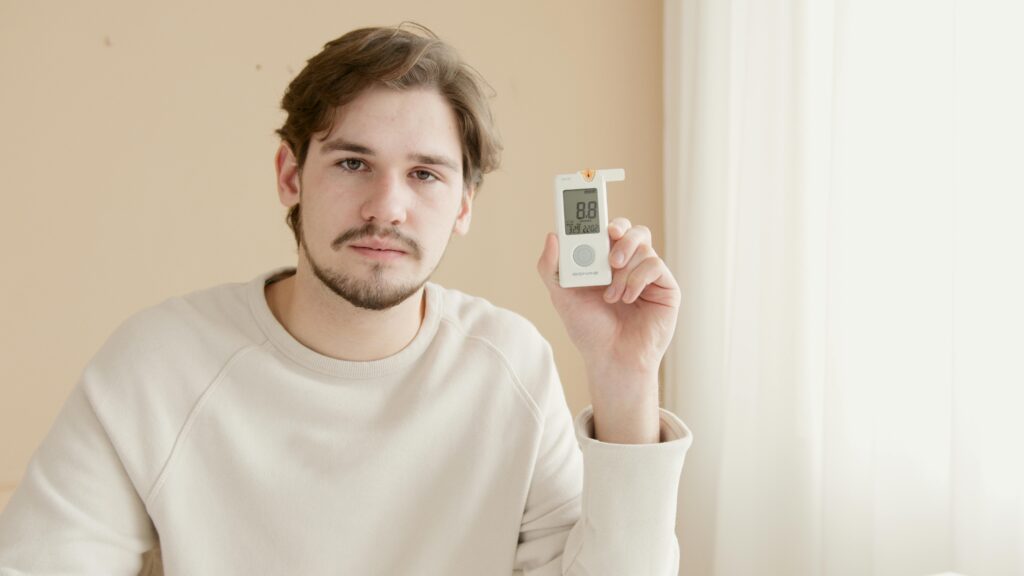
A doctor’s evidence-based explanation of the science, symptoms and pathways behind this topic. Written by Dr Bikram Ratti MBBS (London) MRCGP Private GP & Men’s Health Specialist The Doctor’s Practice, Birmingham Instagram: @thedoctorspractice | @drbikofficial | @drrinkuofficial Introduction In my work at The Doctor’s Practice in Edgbaston, Birmingham, I often see men who attend with fatigue, weight gain or reduced motivation and are surprised to learn that low testosterone and diabetes can sometimes be closely linked. Testosterone is often thought of only in relation to sexual health, but its physiological role is much broader. It influences muscle mass, fat distribution, energy regulation, mood and metabolic health. Type 2 diabetes, meanwhile, is not simply a condition of elevated blood sugar. It reflects deeper metabolic changes involving insulin resistance, inflammation and long-term energy imbalance. Because these systems interact, it is increasingly recognised that hormonal health and metabolic health are connected. Understanding that connection allows clinicians to approach symptoms with greater clarity. Low testosterone and type 2 diabetes are frequently observed together in clinical practice. Research suggests that men with diabetes are more likely to have reduced testosterone levels, often alongside obesity, insulin resistance and other cardiometabolic risk factors. Men with type 2 diabetes frequently demonstrate lower testosterone levels compared with metabolically healthy populations. Evidence suggests that obesity, insulin resistance and hormonal signalling interact in ways that can influence both testosterone physiology and metabolic health. Understanding this relationship allows doctors to investigate fatigue, weight change and reduced vitality in a more structured way. The Science Behind Testosterone and Metabolism Testosterone production is regulated by the hypothalamic–pituitary–gonadal axis. The hypothalamus releases gonadotropin-releasing hormone (GnRH), which stimulates the pituitary gland to release luteinising hormone (LH). LH then signals the testes to produce testosterone. Once released into circulation, testosterone affects several metabolic processes. It helps maintain muscle mass, influences fat metabolism and contributes to energy regulation. Muscle tissue is a major site for glucose uptake, while visceral fat is strongly associated with insulin resistance. Because testosterone affects both muscle and fat distribution, hormonal changes may influence metabolic physiology. A review in the Journal of Diabetes Investigation discusses how testosterone deficiency commonly appears alongside type 2 diabetes and metabolic syndrome, highlighting the complex interaction between insulin resistance, obesity and endocrine signalling (Cheung et al., 2015). Biological Mechanisms Linking Low Testosterone and Diabetes Several mechanisms appear to connect testosterone levels with metabolic disease. Lower testosterone may contribute to increased visceral fat accumulation. Visceral adiposity is strongly associated with insulin resistance, which is central to the development of type 2 diabetes. At the same time, metabolic dysfunction can influence testosterone production. Obesity and insulin resistance may reduce testosterone partly through changes in sex hormone-binding globulin and broader endocrine signalling. This creates a metabolic cycle rather than a simple cause-and-effect relationship. Research examining men with diabetes suggests that testosterone deficiency, increased adiposity and impaired glucose regulation are frequently observed together (Cheung et al., 2015). Symptoms and Clinical Patterns Men rarely present saying they believe their testosterone is low. More commonly they describe broader concerns such as: persistent fatigue • reduced physical strength • increasing abdominal weight • lower libido • reduced motivation • slower recovery after exercise Because these symptoms overlap with metabolic syndrome and diabetes, identifying the underlying cause often requires careful assessment rather than relying on a single test result. Latest Research Evidence examining testosterone and metabolic health continues to evolve. Research suggests that testosterone deficiency is relatively common among men with type 2 diabetes and may be associated with obesity, insulin resistance and metabolic syndrome (Cheung et al., 2015). More recently, the T4DM clinical trial published in The Lancet Diabetes & Endocrinology investigated testosterone therapy in men enrolled in a structured lifestyle programme. The trial reported that testosterone treatment reduced the proportion of participants who developed type 2 diabetes over two years compared with lifestyle intervention alone. The authors also emphasised the importance of appropriate monitoring and patient selection due to potential side effects such as increased haematocrit (Wittert et al., 2021). These findings suggest testosterone may influence metabolic health in selected individuals, although treatment decisions must always be individualised. Myths vs Facts One myth is that every man with diabetes should automatically receive testosterone therapy. The evidence does not support that. Another misconception is that testosterone matters only for sexual health. In reality, hormones influence metabolism, body composition and energy levels. Equally, testosterone therapy is not a cure for diabetes. Type 2 diabetes remains a metabolic condition influenced by diet, physical activity, sleep and genetics. The most effective approach is careful assessment of symptoms, metabolic risk and hormonal status together. Evidence-Based Treatment Pathways The first step is always proper medical evaluation. When symptoms and clinical context suggest possible hormonal imbalance, testing may include morning testosterone alongside metabolic markers. At our clinic this can be arranged through our tests and diagnostics service and discussed during a structured private GP consultation. Some men benefit primarily from lifestyle intervention and improved metabolic control. Others, particularly those with consistent symptoms and confirmed biochemical deficiency, may be appropriate candidates for testosterone therapy under careful medical supervision. Men wanting a broader metabolic review may also consider health screening or assessment through our men’s health service. Lifestyle and Hormonal Health Lifestyle remains central to both hormonal and metabolic health. Weight reduction can improve insulin sensitivity and may also support testosterone levels in some men. Resistance training helps maintain lean muscle mass, while sleep and nutritional quality influence endocrine regulation. The T4DM trial reinforces this principle: testosterone therapy was studied within a structured lifestyle programme rather than in isolation (Wittert et al., 2021). Hormonal health and metabolic health should therefore be considered together. Assessment at The Doctor’s Practice At The Doctor’s Practice — a private GP-led clinic in Edgbaston, Birmingham — men concerned about fatigue, metabolic health or possible testosterone deficiency can undergo a structured medical assessment. Consultations explore symptoms, metabolic risk factors and hormonal patterns together. Where appropriate, targeted blood tests help determine whether testosterone levels are clinically relevant. The aim is thoughtful, evidence-based medicine — understanding the full metabolic picture before deciding on the most appropriate treatment pathway.
Testosterone and Spinal Cord Injury: A Doctor Explains the Hidden Hormonal Changes

A doctor’s evidence-based explanation of the science, symptoms and pathways behind this topic. Written by Dr Bikram Ratti MBBS (London) MRCGP Private GP & Men’s Health Specialist The Doctor’s Practice, Birmingham Instagram: @thedoctorspractice | @drbikofficial | @drrinkuofficial Introduction In my work at The Doctors Practice in Edgbaston, Birmingham, one topic that receives surprisingly little attention is hormonal health after spinal cord injury. When spinal cord injury (SCI) is discussed, the focus is understandably neurological: mobility, sensation, rehabilitation and physiotherapy. Yet recovery after injury is never purely neurological. The endocrine system — the network of hormones regulating metabolism, muscle physiology and energy balance — is deeply interconnected with these processes. Testosterone is central to this system. It influences muscle mass, bone density, metabolic health, mood and energy levels. Following spinal cord injury, testosterone levels may change, and recognising these changes can be an important part of long-term health management. Spinal cord injury affects multiple physiological systems beyond the nervous system. Research suggests endocrine changes, including testosterone deficiency, may occur in some men after injury. These hormonal shifts may influence body composition, metabolic health and functional outcomes, which is why clinicians increasingly consider hormonal health as part of comprehensive rehabilitation. The Science Behind Testosterone Regulation Testosterone production is regulated by the hypothalamic–pituitary–gonadal (HPG) axis. The hypothalamus releases gonadotropin-releasing hormone (GnRH), stimulating the pituitary gland to produce luteinising hormone (LH). LH then signals the testes to produce testosterone. This hormonal system responds to several physiological signals, including metabolic status, inflammatory signalling, sleep regulation and neurological input. Following spinal cord injury, several of these regulatory pathways may be altered. Trauma, reduced physical activity, systemic inflammation and metabolic changes can all influence endocrine balance. Reviews discussing endocrine dysfunction after neurological injury highlight that hormonal disturbances — including changes in testosterone levels — may develop following spinal cord trauma. These changes may not be immediately apparent during early rehabilitation but can become more relevant over time. Biological Mechanisms Linking Spinal Cord Injury and Testosterone The mechanisms behind testosterone changes after spinal cord injury appear to be multifactorial. Reduced physical activity following injury may alter body composition and metabolic physiology. Increased adipose tissue can influence hormonal metabolism through aromatase activity, which converts testosterone into oestrogen. Inflammatory responses following trauma may also influence hypothalamic signalling and endocrine regulation. Research discussing endocrine dysfunction after spinal cord injury notes that hormonal disturbances may occur alongside changes in body composition and physical function. These complex interactions highlight why hormonal health can influence long-term outcomes following neurological injury. Symptoms and Clinical Patterns Low testosterone after spinal cord injury does not always present dramatically. Many symptoms overlap with broader physiological effects of neurological trauma, which can make diagnosis challenging. Some patients report: persistent fatigue • reduced muscle mass • increased body fat • reduced libido • lower mood or motivation • slower recovery of physical conditioning Because these symptoms are often attributed solely to the spinal injury itself, hormonal imbalance may remain undiagnosed unless clinicians actively consider it. In clinical practice, these patterns sometimes prompt further hormonal investigation. Latest Research Research examining endocrine changes after spinal cord injury suggests testosterone deficiency may occur more frequently in men with SCI compared with the general population. A systematic review published in BMJ Open examined testosterone levels in men with spinal cord injury and highlighted the prevalence of hypogonadism within this group. The authors discuss how hormonal deficiency may contribute to metabolic changes and reduced physical capacity in some patients. Other research exploring endocrine consequences of neurological trauma discusses how testosterone deficiency may be associated with altered body composition and functional outcomes following injury. Earlier rehabilitation research has also described hormonal disturbances following spinal cord injury and their potential implications for metabolic health and musculoskeletal physiology. Importantly, these studies emphasise that hormonal responses to spinal cord injury vary significantly between individuals. Myths vs Facts One misconception is that testosterone deficiency inevitably occurs after spinal cord injury. In reality, hormonal levels vary widely between patients. Many men maintain normal testosterone levels following injury. Another myth is that fatigue or reduced strength must simply be accepted as part of neurological recovery. While spinal cord injury affects multiple physiological systems, hormonal imbalance may sometimes contribute to these symptoms. Equally, testosterone therapy is not a universal solution. Treatment decisions must always be guided by symptoms, clinical evaluation and laboratory results. Evidence-Based Treatment Pathways When symptoms suggest possible hormonal imbalance, the first step is careful medical assessment. Hormonal evaluation typically includes morning testosterone levels alongside related markers such as luteinising hormone and sex hormone-binding globulin. At our clinic this assessment can be arranged through our tests and diagnostics service and discussed during a detailed private GP consultation. If biochemical testosterone deficiency is confirmed and symptoms are consistent, testosterone replacement therapy may be considered according to recognised clinical guidance. Men interested in broader hormonal health may also benefit from reviewing our overview of men’s health servicesand the role of preventive health screening in long-term wellbeing. Treatment decisions must always be individualised and medically supervised. Lifestyle and Hormonal Health After Spinal Cord Injury Hormonal balance is influenced by several lifestyle factors. Rehabilitation programmes that incorporate resistance training and metabolic conditioning may support muscle preservation and endocrine health. Nutrition, sleep regulation and maintaining healthy body composition also play important roles. For many individuals, hormonal optimisation forms part of a broader strategy to support long-term health after spinal cord injury. Assessment at The Doctor’s Practice At The Doctor’s Practice — a private GP-led clinic in Edgbaston, Birmingham — men living with spinal cord injury can undergo a comprehensive medical review that includes hormonal health when appropriate. Consultations may explore symptoms, metabolic health and rehabilitation progress. Where clinically indicated, targeted blood tests can assess testosterone and related hormones. The aim is not simply hormone replacement, but a thoughtful and personalised approach to long-term health following neurological injury. FAQs Can spinal cord injury reduce testosterone levels? Research suggests testosterone deficiency may occur more frequently in men with spinal cord injury than in the general population. Should testosterone levels be tested after spinal cord injury? Testing may be
Biohacking for Health and Longevity: Combining Supplements and Medical Treatments

A doctor-led evidence-based perspective on modern longevity strategies. Written by Dr Bikram Ratti MBBS (London) MRCGP Private GP & Men’s Health Specialist and Dr Rinku Ratti MBBS (London) BSc (Hons) DRCOG DFFP MRCGP Level 7 Masters in Aesthetics Private GP, Cosmetic Doctor & Women’s Health Specialist The Doctors Practice — Edgbaston, Birmingham Instagram: @thedoctorspractice | @drbikofficial | @drrinkuofficial Introduction In recent years the concept of biohacking has moved from niche technology circles into mainstream medicine and wellness. At its core, biohacking refers to optimising human biology through targeted interventions — combining lifestyle adjustments, supplements, and increasingly medical therapies to improve health, longevity, energy and recovery. In our private clinic in Edgbaston, Birmingham, patients increasingly ask about structured strategies to support: cellular health • energy levels • cognitive performance • metabolic efficiency • skin regeneration and longevity While the internet often frames biohacking as experimental or extreme, the clinical reality is more nuanced. When approached medically and safely, certain interventions can support normal physiology and address deficiencies that contribute to fatigue, inflammation and accelerated ageing. Modern biohacking therefore sits at the intersection of preventive medicine, nutritional science and regenerative therapies. Understanding Biohacking in Medical Practice The term biohacking can be misleading. In clinical medicine, most of these strategies simply reflect optimising biological systems through evidence-based support. This may include: correcting micronutrient deficiencies • improving mitochondrial function • supporting immune regulation • enhancing recovery and cellular repair Many physiological processes depend on adequate vitamin status, hormonal balance and metabolic efficiency. For example: Vitamin deficiencies can impair immune and neurological function. Mitochondrial dysfunction may contribute to fatigue. Chronic inflammation can accelerate ageing processes. The goal is not enhancement beyond normal biology — but restoring optimal function where lifestyle or modern stressors may have created imbalance. Supplements and Cellular Health Supplements remain the most widely used biohacking tools. Key nutrients involved in metabolic and neurological function include: Vitamin B complex Essential for cellular energy metabolism and nervous system health. Magnesium Supports muscle relaxation, sleep regulation and enzyme function. Vitamin D Crucial for immune regulation and bone health. Omega-3 fatty acids Associated with anti-inflammatory effects and cardiovascular protection. Research published in Nutrients and The American Journal of Clinical Nutrition highlights how micronutrient deficiencies can contribute to fatigue, immune dysfunction and metabolic disturbances. However, supplementation should ideally follow medical assessment and laboratory evaluation, as excessive or inappropriate dosing can also carry risks. Injectable Nutrients and Rapid Absorption Oral supplementation is not always sufficient. Absorption through the gastrointestinal tract can vary depending on: gut health • enzyme function • concurrent medications • metabolic demand This is where medical injectable therapies have gained attention. Intramuscular or intravenous administration allows nutrients to bypass digestive absorption barriers, delivering compounds directly into circulation. Examples sometimes used in medical wellness settings include: Vitamin B12 injections Commonly used to correct deficiency associated with fatigue or neurological symptoms. Myers’ cocktail IV therapy A mixture of vitamins and minerals originally described by Dr John Myers for conditions including fatigue and migraine. NAD+ therapy Nicotinamide adenine dinucleotide (NAD+) is a coenzyme involved in cellular energy production and DNA repair. Research suggests NAD levels decline with age, and this decline may influence mitochondrial efficiency. While research in this field is ongoing, early studies have generated interest in its potential role in metabolic and neurological health. The Role of NAD+ in Cellular Energy NAD+ plays a critical role in mitochondrial metabolism and cellular repair pathways. It participates in reactions involved in: ATP production • DNA repair • oxidative stress regulation Studies published in Nature Reviews Molecular Cell Biology describe how NAD+ supports the activity of sirtuins, enzymes linked with cellular longevity and metabolic regulation. Age-related decline in NAD+ has been associated with: reduced mitochondrial efficiency • increased oxidative stress • impaired cellular repair mechanisms For this reason, strategies aimed at supporting NAD metabolism — through precursors or medical therapies — have become an area of research interest in longevity science. Lifestyle Still Matters Most Despite increasing interest in supplements and injectable therapies, biohacking should never replace foundational health behaviours. Evidence consistently shows that the most powerful longevity interventions remain: regular physical activity • adequate sleep • balanced nutrition • stress management • smoking avoidance • sun protection These lifestyle factors influence inflammation, hormonal balance and metabolic health. No supplement can compensate for chronic sleep deprivation, smoking or poor nutrition. Medical therapies should therefore be viewed as supportive tools rather than primary solutions. Safety and Medical Oversight One of the major concerns surrounding biohacking trends online is lack of medical supervision. High-dose supplements and injectable treatments should always be guided by qualified clinicians because: some vitamins interact with medications • excessive dosing may cause toxicity • certain therapies may be inappropriate for specific medical conditions In medical practice, safe biohacking begins with: clinical consultation • blood testing • review of lifestyle and medical history • personalised treatment planning This ensures interventions are evidence-based and tailored to the individual. Biohacking and Skin Health Longevity medicine increasingly overlaps with aesthetic medicine. Skin health reflects underlying biological processes including: collagen production • oxidative stress • inflammation • hormonal changes Strategies that support cellular health may therefore indirectly influence skin quality and regeneration. In aesthetic practice, treatments that complement these biological pathways may include: microneedling • regenerative injectables • skin boosters • nutritional optimisation The goal is not artificial transformation but supporting the skin’s natural repair mechanisms. Biohacking at The Doctors Practice At The Doctors Practice in Edgbaston, Birmingham, biohacking is approached through a medical lens. Rather than trends or unverified protocols, consultations focus on: evidence-based supplementation • metabolic health assessment • hormonal evaluation • lifestyle optimisation Where appropriate, carefully selected treatments may complement broader health strategies. The emphasis remains on safety, prevention and long-term wellbeing. Frequently Asked Questions What is biohacking? Biohacking refers to strategies aimed at improving health, energy and longevity through lifestyle, nutritional and sometimes medical interventions. Are supplements enough for biohacking? Supplements may help correct deficiencies, but lifestyle
Why You Can Feel Unwell With “Normal” Blood Tests: What Reference Ranges Miss
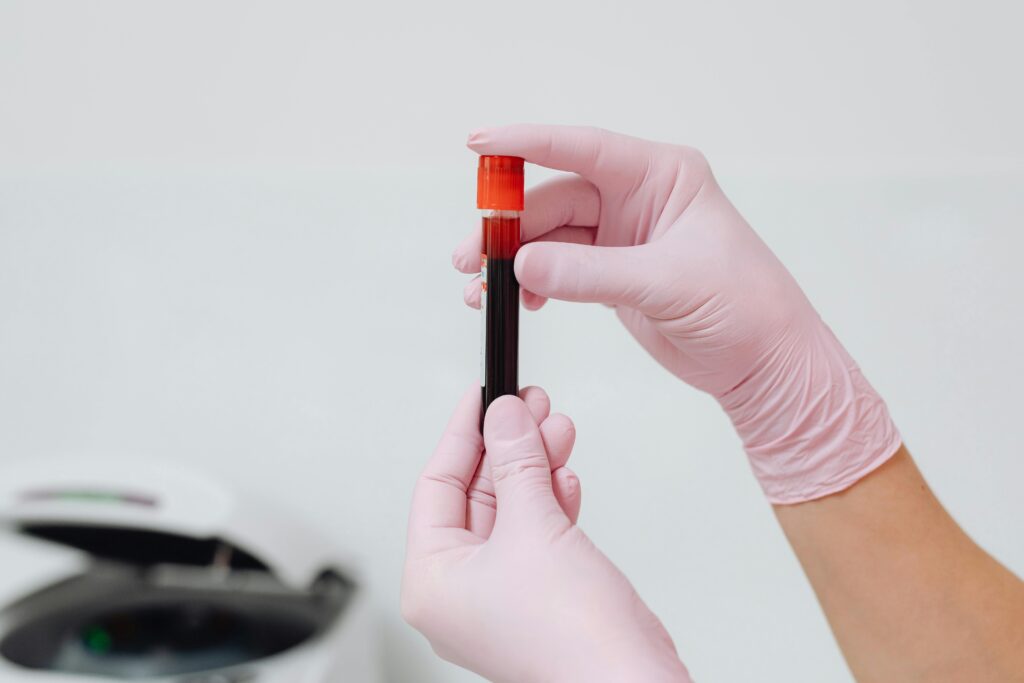
An authoritative doctor-led breakdown of the biology, mechanisms and latest research. Written by Dr Bikram Ratti MBBS (London) MRCGP Private GP & Men’s Health Specialist The Doctor’s Practice, Birmingham Instagram: @thedoctorspractice | @drbikofficial | @drrinkuofficial Introduction In my work at The Doctors Practice in Edgbaston, Birmingham, one of the most common and frustrating conversations I have with patients begins with a familiar sentence: “My blood tests are normal — but I don’t feel normal.” Fatigue. Brain fog. Low mood. Reduced exercise tolerance. Subtle weight change. Poor sleep. The laboratory report says “within range”. The patient says something is not right. This disconnect is not imaginary. It reflects how reference ranges are constructed — and what they are designed to detect. Blood tests are powerful tools, but they are screening instruments. A result within reference limits does not automatically equal optimal health. Understanding how those ranges are calculated explains why symptoms can exist even when numbers appear “normal”. How Reference Ranges Are Created Most laboratory reference ranges are statistical constructs. Typically, a reference interval is derived from measurements taken in a large sample of apparently healthy individuals. The central 95% of values are included; the outer 2.5% on each side are excluded. This means that by definition, 5% of healthy individuals will fall outside the range — and some individuals within the range may still feel unwell. Research published in clinical chemistry journals discusses how biological variability, age, sex and ethnicity influence laboratory values. Reference intervals are population-based, not personalised. They answer the question: Is this value statistically typical? They do not always answer: Is this value optimal for this individual? Biological Variability and Individual Set Points Every person has physiological “set points”. Thyroid function, testosterone levels, ferritin stores, vitamin D and inflammatory markers vary naturally between individuals. A value at the lower end of a reference range may be entirely appropriate for one person and symptomatic for another. For example, evidence indicates that iron deficiency can produce fatigue and cognitive symptoms before haemoglobin drops below the laboratory threshold for anaemia. Similarly, some individuals report symptoms at thyroid-stimulating hormone (TSH) levels that remain technically within the reference range. The body does not operate in broad statistical bands. It operates in finely tuned biochemical systems. The Limits of Snapshot Testing A single blood test represents a snapshot in time. Hydration status, recent illness, sleep, stress and even the time of day can influence results. Cortisol follows a circadian rhythm. Testosterone levels fluctuate. Inflammatory markers respond dynamically. Longitudinal data — trends over time — often provide more insight than isolated results. Cardiovascular risk assessment models such as QRISK, discussed in The BMJ, rely on cumulative risk factors rather than single abnormal readings. The principle is similar across many systems: patterns matter more than isolated numbers. Symptoms and Clinical Patterns Patients who feel unwell with “normal” blood tests often describe: Persistent fatigue despite adequate sleep Cognitive slowing or “brain fog” Reduced libido Subtle weight changes Low motivation or mood fluctuation These symptoms may arise from: Early metabolic dysfunction Borderline micronutrient insufficiency Subclinical hormonal variation Sleep disturbance Chronic stress physiology None of these necessarily trigger dramatic laboratory abnormalities. Medicine requires synthesis. Symptoms, examination findings and laboratory results must be interpreted together — not in isolation. What Research Suggests About Subclinical States Emerging research explores subclinical conditions — states where laboratory markers remain within conventional reference ranges but physiological changes are underway. For example, data published in endocrinology journals discuss “subclinical hypothyroidism”, where TSH may be elevated but free thyroid hormone levels remain within range. Evidence suggests that some individuals in this category experience symptoms, while others do not. Similarly, observational studies indicate that ferritin levels at the lower end of the reference range may be associated with fatigue in certain populations. It is important not to overinterpret. Association does not imply causation. Not every borderline result explains symptoms. However, research indicates that the boundary between “normal” and “optimal” is not always binary. Myths About “Normal” Results One myth is that normal blood tests definitively exclude disease. They do not. Another is that if laboratory values are normal, symptoms must be psychological. This is incorrect. While mood disorders can present with physical symptoms, physiological factors should be explored appropriately. Equally, it is a myth that every symptom requires an abnormal blood test to validate it. The art of medicine lies between over-investigation and dismissal. Evidence-Based Clinical Approach A responsible approach involves: Careful history-taking. Pattern recognition. Trend analysis. Targeted further testing where justified. At our clinic, patients frequently attend for structured assessment through our private GP consultation service or more comprehensive review via our health screening programme in Birmingham. Where symptoms intersect with metabolic health, our metabolic clinic provides deeper evaluation. The aim is not to chase abnormalities unnecessarily, but to interpret results within clinical context. Lifestyle, Physiology and Modern Stress Modern professional life places sustained demands on the nervous and endocrine systems. Chronic sleep restriction, psychological stress and reduced physical activity influence insulin sensitivity, inflammatory markers and hormonal balance. Epidemiological research links these factors to long-term cardiovascular and metabolic risk. Lifestyle modification remains foundational. Nutrition quality. Resistance training. Sleep optimisation. Stress reduction. These interventions often improve symptoms even when laboratory values remain within conventional limits. Assessment at The Doctor’s Practice At The Doctor’s Practice — a private GP-led clinic in Edgbaston, Birmingham — we approach “normal but unwell” presentations with structured curiosity rather than dismissal. Assessment may include: Detailed symptom chronology Review of previous laboratory trends Targeted repeat or expanded testing where clinically indicated Cardiovascular and metabolic risk evaluation Personalised management planning Our clinic in Edgbaston provides time for discussion and continuity of care, allowing patterns to emerge across multiple consultations rather than relying on a single encounter. Understanding health requires more than reading a laboratory printout. Frequently Asked Questions Can you feel unwell even if blood tests are normal? Yes. Reference ranges are statistical constructs and may not capture individual optimal levels or early physiological changes. Should I repeat blood tests if I still feel unwell? Sometimes. Timing, symptom progression and previous trends
A Doctor’s Definitive Guide to Modern Private Medical Care

A clear, science-driven explanation of how the body works, what affects it, and what actually helps — from a doctor’s perspective. Written by Dr Bikram Ratti MBBS (London) MRCGP Private GP & Men’s Health Specialist The Doctors Practice, Birmingham Instagram: @thedoctorspractice | @drbikofficial | @drrinkuofficial Introduction At our doctor-led clinic here in Birmingham, one of the most frequent questions I am asked is simple: What does a private GP actually offer that is different? The phrase “private GP” can mean many things. For some, it represents speed. For others, privacy. For many, it is about time — the ability to speak without feeling hurried. But modern private medical care is not merely about convenience. At its best, it is about continuity, depth and preventative thinking. Private general practice is built around longer consultations, structured follow-up and a dedicated doctor who understands your health history over time. The difference lies not in the title, but in the model of care. Modern private medicine focuses on continuity, access, preventative strategy and clinical depth — not simply rapid appointments. The Evolution of General Practice General practice in the UK was historically centered on the concept of the family doctor — a clinician who understood not just illness, but context. Over time, system pressures have changed how care is delivered. Access has improved in some ways, but continuity has reduced. Research published in The BMJ suggests that continuity of care is associated with improved patient satisfaction and, in some studies, reduced hospital admissions. Evidence indicates that when patients consistently see the same doctor, outcomes may improve. The private model seeks to reintroduce this continuity. It is not a replacement for public healthcare. It is an alternative structure built around time, availability and sustained doctor–patient relationships. The Biological Advantage of Continuity Medicine is pattern recognition over time. A single blood test offers a snapshot. A sequence of results interpreted over years offers insight. Subtle changes in weight, blood pressure, inflammatory markers or hormone levels often matter more in trend than in isolation. Longitudinal monitoring allows earlier detection of cardiovascular risk, metabolic shifts and hormonal imbalance. Guidance from cardiovascular research bodies emphasises risk calculation based on cumulative factors rather than isolated events. Preventative medicine relies on tracking change. When you see a dedicated doctor consistently, those patterns are recognised sooner. What Modern Private GP Care Includes A contemporary private GP clinic in Birmingham should offer more than short-notice appointments. At our clinic, this includes: Extended consultation times Direct access to diagnostics Structured follow-up Preventative screening pathways Integrated men’s and women’s health services Patients frequently attend for comprehensive reviews through our health screening service in Birmingham, detailed private GP consultations or targeted cardiovascular assessment via our heart health clinic. The objective is not simply to treat illness — but to identify risk before symptoms develop. Symptoms, Uncertainty and Time Many patients seek private care not because they are acutely unwell, but because something feels “not quite right”. Fatigue. Brain fog. Subtle chest discomfort. Changes in mood. Reduced exercise tolerance. These are not always diagnosable within a brief appointment. Modern medicine is complex. Many presentations sit at the intersection of lifestyle, hormonal health, stress physiology and metabolic factors. Investigating these thoroughly requires time. Time allows careful history taking. Time allows explanation. Time allows reassurance when serious pathology is excluded. The Role of Diagnostics and Preventative Strategy Access to diagnostics is a defining feature of private care. Blood testing, ECGs, metabolic panels and imaging referrals can be arranged promptly. Where appropriate, this integrates with specialist services. Our tests and diagnostics service allows structured assessment without unnecessary delay. For men concerned about performance, hormone levels or long-term vitality, we often incorporate discussion around preventative strategies explored in our overview of men’s health and longevity. Evidence consistently supports early intervention in cardiovascular and metabolic disease. The earlier risk is identified, the greater the opportunity for modification. Myths About Private General Practice One common misconception is that private medicine simply duplicates NHS services more quickly. In reality, the model differs in structure rather than scope. Another myth is that private care is only for complex or severe illness. In practice, many consultations involve preventative review, lifestyle optimisation or reassurance. There is also the assumption that private doctors work entirely separately from NHS pathways. In truth, appropriate referral into secondary care occurs when clinically necessary. Private practice is not about exclusivity. It is about structure. Evidence-Based Treatments and Clinical Boundaries A responsible private GP does not promise shortcuts. Treatment decisions follow established guidance and evidence-based frameworks. Where antibiotic stewardship is required, it is observed. Where referral thresholds are met, referral occurs. Modern private medicine allows depth — but it does not bypass clinical governance. Evidence from large cohort studies consistently indicates that preventative strategies addressing blood pressure, lipid levels and glucose control reduce long-term cardiovascular events. These interventions are not novel. What changes in private practice is the time available to implement them properly. Lifestyle, Stress and Modern Health Urban professional life in Birmingham often involves long hours, high cognitive load and limited recovery. Stress physiology influences sleep, metabolic function and immune response. While stress alone does not cause disease in isolation, it is associated with increased cardiovascular and inflammatory risk in epidemiological studies. Preventative medicine involves structured lifestyle discussion alongside clinical investigation. A private GP consultation often becomes a strategic health review rather than a reactive appointment. Assessment at The Doctors Practice At The Doctors Practice — a private GP-led clinic in Edgbaston, Birmingham — consultations are structured around depth, continuity and preventative thinking. Patients may attend for a focused concern or a broader review of health trajectory. Appointments are designed to allow sufficient time for detailed discussion, examination and planning. We operate from a dedicated medical space in Edgbaston, as outlined on our clinic overview page, and offer flexible access through our booking system. The objective is simple: clarity, continuity and calm clinical judgement. Frequently Asked Questions Is a private GP in Birmingham worth it? It depends on what you value. For patients seeking continuity, longer consultations and preventative strategy, private care
Worried About an STI? What a Doctor Wants You to Know Before You Panic

A doctor’s evidence-based explanation of the science, symptoms and pathways behind this topic. Written by Dr Bikram Ratti MBBS (London) MRCGP Private GP & Men’s Health Specialist The Doctor’s Practice, Birmingham Instagram: @thedoctorspractice | @drbikofficial | @drrinkuofficial Introduction In my work at The Doctor’s Practice in Edgbaston, Birmingham, one of the most common and quietly distressing concerns I see is this: “I think I might have an STI.” Sometimes there are symptoms. Often there are not. What there almost always is, however, is anxiety. Sexual health carries emotional weight. It touches trust, identity, relationships and self-perception. But from a medical perspective, it is approached calmly, systematically and without judgement. Most sexually transmitted infections are treatable. Many are asymptomatic. Panic rarely improves clarity. If you are worried about an STI, the priority is not to assume the worst — but to understand risk, timing and testing properly. STIs are common, frequently silent, and usually manageable when identified early. The key is appropriate testing at the correct time interval, careful interpretation of results, and avoiding the spiral of online self-diagnosis. A structured, doctor-led assessment replaces fear with evidence. The Science Behind Sexually Transmitted Infections Sexually transmitted infections are caused by bacteria, viruses or parasites transmitted primarily through sexual contact. Bacterial infections include chlamydia, gonorrhoea and syphilis. Viral infections include herpes simplex virus (HSV), human papillomavirus (HPV), hepatitis B and HIV. Trichomonas is parasitic. UK Health Security Agency surveillance data indicate that STIs remain prevalent across age groups, with particularly high rates in younger adults but significant incidence in those over 25 as well. Evidence published in The Lancet Infectious Diseases highlights that many infections are asymptomatic, particularly chlamydia in women and early HIV in both sexes. This is why symptom-based reassurance is unreliable. Understanding Incubation and Testing Windows Every infection has an incubation period — the interval between exposure and detectable infection. Chlamydia and gonorrhoea may be detectable within days to weeks. Syphilis can evolve in stages and may present weeks after exposure. HIV detection depends on the test used; fourth-generation assays detect infection earlier than older antibody-only tests. Guidance from international infectious disease reviews and public health authorities emphasises that testing too early can result in false reassurance. The timing of testing matters as much as the test itself. In clinic, this is often the most important discussion. A negative result at the wrong time is not always definitive. A doctor-led approach ensures that both exposure type and biological window periods are considered. Symptoms and Clinical Patterns Symptoms vary widely and are often subtle. In men, possible features may include: Urethral discharge Burning on urination Testicular discomfort Genital sores or blisters In women, symptoms can include: Unusual vaginal discharge Pelvic discomfort Post-coital bleeding Vulval irritation However, many patients present with no physical symptoms at all — only concern following a sexual encounter. Herpes may present with painful blisters. HPV frequently produces no visible change. Early HIV can resemble a mild viral illness or produce no symptoms at all. The absence of symptoms does not exclude infection. Equally, minor irritation does not automatically indicate an STI. Non-infectious dermatological conditions and normal physiological variations are common. Clinical judgement prevents both underdiagnosis and overreaction. What Current Research Suggests Data published in The BMJ and The Lancet consistently indicate that early diagnosis reduces onward transmission and improves long-term outcomes. Evidence also suggests that many STIs remain underdiagnosed because individuals delay testing due to embarrassment or fear. Research further highlights the psychological burden associated with suspected infection. Anxiety can be disproportionate to actual clinical risk. A structured sexual health consultation improves diagnostic accuracy and reduces uncertainty. The role of the doctor is not simply to test — but to contextualise risk appropriately. Myths and Misconceptions One persistent myth is that STIs always produce obvious symptoms. They do not. Another is that a single negative test immediately after exposure rules out infection. It may not, depending on timing. Some assume that being in a long-term relationship removes all risk. Others believe that one protected encounter eliminates every possibility. Medicine is rarely absolute. Testing decisions depend on exposure, timing, vaccination status and overall health context. Evidence-Based Testing and Treatment A proper assessment begins with a respectful, confidential history. Testing may involve urine samples, swabs or blood tests. At our doctor-led clinic, sexual health consultations are part of our wider sexual health service, with access to comprehensive panels through our tests and diagnostics service. If infection is confirmed, bacterial STIs are typically treated with antibiotics. Viral infections such as herpes are managed symptomatically. HIV and hepatitis require specialist pathways but are highly treatable with modern therapy. Where relevant, follow-up testing ensures resolution. Sexual Health in the Context of Overall Wellbeing Sexual health does not exist in isolation. It intersects with mental wellbeing, immune function and hormonal balance. Men in particular often delay assessment. Conversations about screening frequently lead into broader discussions about preventative health, as outlined in our guide to men’s health and long-term wellness and our structured approach to health screening in Birmingham. An STI concern can become a turning point — an opportunity to approach health more proactively. Assessment at The Doctor’s Practice At The Doctor’s Practice — a private GP-led clinic in Edgbaston, Birmingham — sexual health consultations are conducted discreetly, professionally and without judgement. Patients can access same-day appointments through our private GP consultation service. Assessment includes: Risk evaluation Advice on optimal testing timing Immediate sample collection where appropriate Clear explanation of window periods Structured follow-up planning Many patients describe the period before the appointment as more distressing than the outcome itself. Clarity reduces fear. Frequently Asked Questions How soon after sex should I test for an STI? It depends on the infection and the type of test used. Some infections are detectable within days; others require several weeks. Timing should always be discussed with a doctor. Can I have an STI with no symptoms? Yes. Many infections are asymptomatic, particularly chlamydia and early HIV. Are same-day STI tests available in Birmingham? Yes. At our private GP clinic in Edgbaston, Birmingham, we provide same-day sexual health consultations
Zinc and Testosterone: How This Essential Mineral Supports Men’s Hormones — A Doctor’s Guide

Zinc and Testosterone: How This Essential Mineral Supports Men’s Hormones — A Doctor’s Guide A doctor’s evidence-based explanation of the science, symptoms and pathways behind this topic. Written by Dr Bikram Ratti MBBS (London) MRCGP Private GP & Men’s Health Specialist The Doctor’s Practice, Birmingham Instagram: @drbikofficial | @thedoctorspractice A doctor-led explanation of how zinc supports testosterone, energy and vitality. Written by Dr Bik at The Doctor’s Practice in Edgbaston, Birmingham. Table of Contents Introduction The Science Behind Zinc and Testosterone Biological Mechanisms Symptoms & Clinical Patterns Latest Research Myths vs Facts Evidence-Based Treatments Lifestyle & Medical Routine Assessment at The Doctor’s Practice FAQs Personal Note Book an Appointment with Dr Bik References Introduction In my work at The Doctor’s Practice in Edgbaston, Birmingham, I meet many men who describe feeling “not themselves”: lower energy, reduced libido, poor recovery, flatter mood and a sense that their usual drive has faded. These symptoms often build slowly, becoming easy to dismiss as stress or ageing. When we investigate further — especially through comprehensive hormone and micronutrient screening — one mineral frequently stands out: zinc. Zinc is not a shortcut or a “testosterone booster.” It is a foundational nutrient required for the very architecture of hormone production. Without adequate zinc, testosterone pathways weaken. But with the right levels restored, men often describe feeling sharper, stronger and more energised. This builds on my earlier article, The Science Behind Vitamin D, Magnesium, and Zinc: Natural Strategies to Optimise Testosterone Levels: In this guide, we explore zinc specifically — what the research shows, how it supports testosterone, and when supplementation genuinely makes a difference. The Science Behind Zinc and Testosterone Zinc is essential for: Leydig cell testosterone production Luteinising hormone (LH) signalling Aromatase regulation SHBG balance Immune resilience and inflammation control A well-known study in Nutrition demonstrated that healthy men who became zinc-deficient experienced a 75% fall in testosterone within six months (full DOI in References). Key insight: Zinc does not artificially push testosterone higher — it restores your body’s ability to produce adequate testosterone naturally. Biological Mechanisms 3.1 Leydig Cell Function Zinc is required for the enzymes that convert cholesterol into testosterone. Without it, hormonal output drops. 3.2 Zinc and LH Signalling Zinc enhances LH, the hormone that instructs the testes to produce testosterone. 3.3 Zinc and Aromatase Zinc naturally reduces excessive aromatisation — preventing unnecessary conversion of testosterone into oestrogen. 3.4 Zinc and SHBG Low zinc promotes higher SHBG levels, reducing free testosterone. Optimising zinc helps restore balance. 3.5 Immune System Link Illness and inflammation lower testosterone. Zinc protects immune stability, indirectly supporting hormonal health. Symptoms & Clinical Patterns Zinc deficiency can mimic hormonal imbalance: Reduced libido Reduced morning erections Low motivation Fatigue and irritability Poor training recovery Slower muscle development Hair thinning or dry skin Frequent infections Many men describe this as feeling “switched off.” Latest Research Evidence across major medical journals reinforces zinc’s importance: Journal of Steroid Biochemistry and Molecular Biology shows zinc supplementation improves testosterone in deficient men. Andrology reports zinc’s role in regulating aromatase activity. Lancet Global Health highlights widespread zinc deficiency affecting hormonal health worldwide. Sports physiology research shows zinc preserves testosterone during intense training. Across studies, the message is consistent: Correcting zinc deficiency improves hormonal stability, energy and vitality. Myths vs Facts MYTH 1: “Zinc is a testosterone booster.” FACT: Zinc restores hormone production when deficiency exists. MYTH 2: “More zinc means more testosterone.” FACT: High doses can cause copper deficiency, nausea and immune suppression. MYTH 3: “All men should take zinc supplements.” FACT: Only test-guided supplementation avoids overdosing. MYTH 4: “You can diagnose zinc deficiency by symptoms alone.” FACT: Symptoms overlap with Vitamin D deficiency, magnesium deficiency, thyroid issues and stress. Evidence-Based Treatments 7.1 When Zinc Helps Zinc supplementation works best when: Blood tests confirm deficiency Diet is low in red meat, shellfish or seeds Training demands are high SHBG is elevated Men experience symptoms of hormonal imbalance 7.2 When Zinc Won’t Help Zinc alone will not correct: Stress-related cortisol elevation Sleep deprivation Metabolic syndrome Thyroid dysfunction Pituitary disorders These require structured care through our Men’s Health Service: https://thedoctorspractice.co.uk/services/mens-health/ 7.3 Supporting Article For how zinc works alongside Vitamin D and magnesium: https://thedoctorspractice.co.uk/the-science-behind-vitamin-d-magnesium-and-zinc-natural-strategies-to-optimise-testosterone-levels/ Lifestyle & Medical Routine A sustainable optimisation framework includes: Zinc-rich foods: oysters, beef, lamb, pumpkin seeds, nuts, eggs 15–30 mg zinc citrate or picolinate when clinically indicated Deep sleep prioritisation Strength training 3–4 times weekly Reduced alcohol Anti-inflammatory nutrition Regular screening via our Health Screening Clinic https://thedoctorspractice.co.uk/services/health-screening/ Zinc works best when the foundations of health are strong. Assessment at The Doctor’s Practice At The Doctor’s Practice — a private GP-led clinic in Edgbaston, Birmingham — we take a structured, medical approach to understanding testosterone changes and zinc deficiency. Your assessment may include: Full clinical consultation Hormone panel: total & free testosterone, SHBG, LH, FSH Micronutrient testing: zinc, magnesium, Vitamin D Thyroid & metabolic testing Sleep and lifestyle analysis Personalised supplementation and treatment plan Follow-up monitoring Men often describe the experience as “finally getting a clear picture.” FAQs Can zinc increase testosterone? Yes — when deficiency is corrected. How long does zinc take to work? Typically 4–8 weeks. Should I test before taking zinc? Yes — to avoid overdosing and ensure targeted treatment. What foods raise zinc levels naturally? Oysters, red meat, pumpkin seeds, nuts, and eggs. Is zinc testing available in Birmingham? Yes — we provide full micronutrient and hormone testing in Edgbaston. Is it safe to combine zinc with magnesium and Vitamin D? Yes — many men benefit from optimising all three. Personal Note Over two decades of caring for men’s health, I have seen how correcting “small deficiencies” can lead to big improvements. Zinc is one of them. When optimised properly — not guessed — it often reignites energy, libido, confidence and overall wellbeing. It’s a simple intervention, but only when guided by careful testing and medical insight. Book an Appointment with Dr Bik If you’d like a personalised assessment of your hormones, energy levels, micronutrients or performance, you can book directly with me. The Doctor’s Practice 7 Chad Square, Hawthorne Road Edgbaston,
Men’s Health Screenings: Essential Tests and When to Get Them

[ux_image id=”56702″ image_size=”medium” width=”99″] Taking control of your health isn’t just about diet and exercise—it’s about regular health screenings that can detect early signs of disease before symptoms appear. Many serious conditions, including heart disease, diabetes, and cancer, develop silently for years before showing symptoms. As a private GP, I’ve seen firsthand how proactive screenings can help men catch health risks early, prevent complications, and stay in peak condition for longer. Here’s a comprehensive guide on the most essential health screenings for men, organised by age group—so you know exactly what to prioritise at every stage of life. The Importance of Regular Health Screenings ✔ Early detection can prevent serious illness – Conditions like high blood pressure, prostate cancer, and diabetescan be managed far more effectively if caught early. ✔ Screenings help track long-term health trends – This allows for tailored lifestyle changes to reduce future risks. ✔ Many diseases don’t show symptoms in the early stages – Regular check-ups ensure nothing is missed before it’s too late. A 2023 study in The Journal of Preventive Medicine found that men who undergo regular health screenings reduce their risk of developing chronic diseases by 40%. In Your 20s & 30s: Building a Foundation for Health While men in their 20s and 30s may feel invincible, this is the best time to establish healthy habits and track key health markers. Essential Health Screenings ✔ Blood Pressure Check – High blood pressure (hypertension) often has no symptoms but increases the risk of heart disease and strokes. ✔ Cholesterol Test (Lipid Profile) – High cholesterol contributes to blocked arteries and cardiovascular disease. ✔ Diabetes Screening – If you have a family history of diabetes or carry excess weight, a fasting blood sugar test or HbA1c test can detect early signs of prediabetes. ✔ Testicular Cancer Screening – Although rare, testicular cancer is most common in younger men—self-examinations and check-ups can detect lumps early. ✔ Sexual Health Screening – Regular STI testing is recommended for sexually active men to prevent complications like infertility or chronic infections. A 2023 study in The British Medical Journal found that 90% of testicular cancers are curable if caught early, reinforcing the importance of self-checks and medical assessments. In Your 40s & 50s: Focusing on Preventative Care As men enter their 40s and 50s, the risk of chronic diseases and cancers increases. Regular health checks become essential for long-term well-being. Essential Health Screenings ✔ Prostate-Specific Antigen (PSA) Test – Prostate cancer is one of the most common cancers in men. The PSA test measures prostate-specific antigen levels, helping detect prostate cancer early. ✔ Colorectal Cancer Screening – Men over 50 should have a colonoscopy or stool test to check for bowel cancer, one of the most preventable cancers if caught early. ✔ Heart Health Tests (ECG & Coronary Calcium Scan) – These tests check for heart rhythm issues and calcium deposits in arteries, predicting heart attack risk. ✔ Liver Function Tests – For men who drink alcohol regularly or have fatty liver disease risks, liver tests assess overall liver health. ✔ Diabetes & Metabolic Health Check – Type 2 diabetes risk increases with age, so fasting blood sugar and HbA1c tests should be part of your regular screenings. According to a 2024 report by Cancer Research UK, early detection through PSA and colorectal screenings can improve survival rates by up to 90%, highlighting their importance for men over 50. In Your 60s & Beyond: Monitoring & Managing Health For men in their 60s and older, regular screenings focus on preventing complications from ageing-related diseasesand monitoring pre-existing conditions. Essential Health Screenings ✔ Bone Density Test – Osteoporosis isn’t just a women’s condition—men over 65 should get bone scans, especially if they smoke, drink heavily, or lead a sedentary lifestyle. ✔ Aneurysm Screening (Abdominal Aortic Aneurysm – AAA) – Men over 65 who have smoked should be screened for AAA, a potentially fatal aortic rupture. ✔ Vision & Hearing Tests – Glaucoma, cataracts, and age-related hearing loss can significantly affect quality of life if undiagnosed. ✔ Dementia & Cognitive Assessments – As Alzheimer’s and dementia risks rise with age, early detection allows for better management and treatment options. A 2023 study in The Journal of Aging and Health found that men who undergo regular cognitive and cardiovascular screenings are more likely to maintain functional independence for longer. Personalised Screening Plans – One Size Doesn’t Fit All Every man’s health journey is different. Factors like family history, lifestyle, and personal risk factors affect which screenings are most important. ✔ Men with a family history of heart disease may need heart scans earlier. ✔ Men with high alcohol consumption should prioritise liver function tests. ✔ Active individuals may need regular bone health screenings. At The Doctor’s Practice, I provide tailored health assessments to ensure men get the right screenings at the right time for their individual needs. Book an Appointment with Dr. Bikram Ratti Want to take control of your health with the right screenings at the right time? Book an appointment with Dr. Bikram Ratti at The Doctor’s Practice today for a comprehensive men’s health screening. 🌐 Book Online Now 📞 Call: 0121 661 2366 📱 WhatsApp: 07388 623527 📷 Instagram: @thedoctorspractice 📍 Located in Edgbaston, Birmingham | 📅 Appointments available 7 days a week 🔗 Visit our website: www.thedoctorspractice.co.uk References The Journal of Preventive Medicine (2023). The impact of regular health screenings on men’s long-term health. British Medical Journal (2023). The effectiveness of testicular cancer screenings. Cancer Research UK Report (2024). PSA and colorectal cancer screening outcomes. The Journal of Aging and Health (2023). The role of screenings in maintaining independence in older men. [blog_posts style=”normal” columns=”3″ columns__md=”1″ image_height=”56.25%”]