
The Carnivore Diet: Revolutionary Health Hack Or Dangerous Trend?

[section label=”Simple Center” bg=”56704″ bg_color=”rgb(245, 245, 245)” padding=”60px” height=”300px”] [row h_align=”center”] [col span=”10″ span__sm=”12″ align=”center”] [/col] [/row] [/section] Written by Dr Bikram Ratti MBBS (London) MRCGP. Private GP and Men’s Health Specialist at The Doctor’s Practice. In the ever-evolving world of nutrition, the carnivore diet has taken centre stage as one of the most controversial and polarising dietary trends. While some hail it as the ultimate solution for weight loss, inflammation reduction, and improved metabolic health, others warn of potential long-term risks. As a doctor who has spent over 20 years treating men with metabolic disorders, testosterone deficiencies, and inflammatory conditions, I’ve seen firsthand how diet plays a crucial role in overall health. In this article, I’ll break down the science behind the carnivore diet, its potential benefits, risks, and whether it’s a sustainable option for long-term health. WHAT IS THE CARNIVORE DIET? The carnivore diet is a restrictive eating plan that consists solely of animal-based foods—primarily meat, fish, eggs, and some dairy. It eliminates all plant-based foods, including vegetables, fruits, nuts, seeds, grains, and legumes. WHY ARE PEOPLE TURNING TO THE CARNIVORE DIET? Weight loss – High-protein, high-fat diets are known to enhance satiety and reduce cravings. Inflammation reduction – Many report improvements in autoimmune conditions, joint pain, and skin health. Mental clarity and focus – Some claim enhanced cognitive function and better energy levels. Digestive health – By eliminating fibre, some find relief from IBS and bloating. Testosterone support – Higher intake of animal fats and proteins may contribute to better hormonal balance in men. But is there science to support these claims? Let’s look at the research. THE SCIENCE BEHIND THE CARNIVORE DIET WEIGHT LOSS & METABOLIC HEALTH The high-protein content of the carnivore diet can promote weight loss by: Increasing satiety hormones (GLP-1 and PYY), making you feel fuller for longer. Boosting metabolism, as protein has the highest thermic effect of all macronutrients. A 2021 study in the American Journal of Clinical Nutrition found that high-protein diets lead to increased fat loss and muscle retention, even without calorie counting. 2. INFLAMMATION & AUTOIMMUNE CONDITIONS Many proponents of the carnivore diet claim a drastic reduction in inflammatory conditions such as arthritis, eczema, and autoimmune disorders. A 2023 study in Frontiers in Immunology highlighted that eliminating plant antigens and lectins (which are found in many vegetables and grains) may reduce systemic inflammation. However, long-term studies are lacking, and the role of fibre and antioxidants in reducing inflammation is well-documented. 3. GUT HEALTH & DIGESTIVE DISORDERS Many report relief from IBS, bloating, and leaky gut syndrome on a carnivore diet. However, the absence of fibre may lead to changes in gut microbiome composition, which could have long-term consequences. A 2022 study in Nature Metabolism found that fibre is essential for gut bacterial diversity, which plays a role in immune regulation and metabolic health. TESTOSTERONE & HORMONAL BALANCE For men, one of the most compelling reasons to try the carnivore diet is its potential impact on testosterone levels. Cholesterol and dietary fat are essential for testosterone production, and a high-fat diet has been linked to increased testosterone. A 2020 study in the Journal of Clinical Endocrinology & Metabolism found that men who consumed more saturated fats from red meat and eggs had higher testosterone levels than those on low-fat diets. However, long-term effects on cardiovascular health need to be considered. POTENTIAL RISKS OF THE CARNIVORE DIET NUTRIENT DEFICIENCIES By eliminating plant foods, there’s a risk of missing out on: Vitamin C – Essential for collagen production and immune function. Magnesium – Important for muscle function, sleep, and heart health. Fibre – Crucial for gut microbiome diversity and long-term metabolic health. HEART DISEASE CONCERNS The high intake of saturated fats raises concerns about long-term heart health. A 2023 study in Circulation found that diets high in red meat may increase cardiovascular risk, but other factors (such as metabolic health and inflammation) play a role. LONG-TERM SUSTAINABILITY The restrictive nature of the diet makes it difficult to follow long-term. Social limitations – Dining out and variety in meals can be challenging. Lack of research – Most studies on low-carb and ketogenic diets do not fully apply to carnivore, and long-term data is limited. WHO MIGHT BENEFIT FROM THE CARNIVORE DIET? The carnivore diet may be worth exploring for individuals dealing with: Severe autoimmune conditions that worsen with plant foods. IBS, Crohn’s disease, or other gut sensitivities. Men looking to optimise testosterone levels naturally. Individuals who thrive on a low-carb, high-protein approach. However, for most people, a balanced diet that includes high-quality animal protein, healthy fats, and nutrient-dense plant foods may offer more long-term benefits. FINAL THOUGHTS: IS THE CARNIVORE DIET WORTH TRYING? The carnivore diet challenges traditional nutritional guidelines and offers potential benefits for weight loss, inflammation, and hormone balance. However, long-term health implications remain uncertain. As a men’s health specialist, my approach is always personalised—what works for one person may not work for another. If you’re considering the carnivore diet, I recommend: Starting with a modified approach—include eggs, dairy, and some nutrient-dense plant foods. Monitoring your blood markers—testosterone, cholesterol, inflammation levels, and micronutrients. Listening to your body—adjust based on energy levels, digestion, and performance. The best diet is the one that supports your long-term health, vitality, and well-being. BOOK AN APPOINTMENT WITH DR. BIK If you’re interested in optimising your diet for testosterone, metabolic health, and overall vitality, book a consultation with Dr. Bikram Ratti at The Doctor’s Practice today. 🌐 Book Online Now 📞 Call: 0121 661 2366 📱 WhatsApp: 07388 623527 📷 Instagram: @thedoctorspractice 📍 Located in Edgbaston, Birmingham | Appointments available 7 days a week 🔗 Visit our website: www.thedoctorspractice.co.uk REFERENCES American Journal of Clinical Nutrition (2021). High-protein diets and their effect on fat loss and muscle retention. Frontiers in Immunology (2023). The role of plant antigens and lectins in inflammation. Nature Metabolism (2022). Fibre intake and gut microbiome diversity. Journal of Clinical Endocrinology & Metabolism (2020). Saturated fats and testosterone levels in men. Circulation (2023).
The Impact of Alcohol and Substance Use on Men’s Health: Prevention and Recovery

Alcohol and substance misuse have long been significant health concerns among men, yet the risks are often downplayed in society. Excessive drinking and drug use can devastate physical and mental health, leading to chronic diseases, addiction, and even premature death. As a private GP, I regularly see men struggling with alcohol dependency, drug misuse, and the mental health challenges that accompany them. The good news? With early intervention, support, and treatment, recovery is possible. Let’s explore the effects of alcohol and substance abuse on men’s health, the importance of early prevention, and the best recovery strategies available today. The Toll of Alcohol & Substance Use on Men’s Physical Health Men are more likely than women to engage in risky drinking behaviours and substance abuse, leading to serious long-term health consequences. Alcohol-Related Health Risks ✔ Liver disease – Alcohol damages the liver, leading to fatty liver, hepatitis, cirrhosis, and liver failure. ✔ Heart disease – Excessive alcohol raises blood pressure and increases the risk of heart attacks and strokes. ✔ Cancer risk – Heavy drinking is linked to cancers of the mouth, throat, oesophagus, liver, and colon. ✔ Weakened immune system – Alcohol lowers immunity, making men more vulnerable to infections. The Dangers of Drug Misuse ✔ Opioid abuse – Linked to respiratory depression, addiction, and overdose deaths. ✔ Cocaine & stimulant abuse – Can cause high blood pressure, heart attacks, and strokes. ✔ Marijuana dependence – While often viewed as harmless, frequent use can lead to cognitive impairment and mental health issues. ✔ Prescription drug misuse – Sleeping pills and painkillers can be highly addictive when not used properly. A 2023 report from the National Institute on Drug Abuse found that men are twice as likely as women to binge drink and engage in illicit drug use, increasing their risk of chronic illnesses and premature death. The Mental Health Effects of Alcohol & Drug Abuse Substance misuse doesn’t just harm the body—it also has profound effects on mental well-being. ✔ Alcohol and drugs can alter brain chemistry, leading to depression, anxiety, and mood disorders. ✔ Many men use alcohol and drugs to self-medicate for underlying mental health issues, creating a dangerous cycle of dependence. ✔ Long-term substance abuse is linked to aggression, impulsivity, and cognitive decline. ✔ Men are less likely than women to seek help for mental health issues, which often delays diagnosis and treatment. A 2023 study in The Lancet Psychiatry found that chronic alcohol and drug use increases the risk of severe depression and suicidal thoughts by up to 60%. At The Doctor’s Practice, I always assess both physical and mental health when treating substance misuse, ensuring that patients receive comprehensive, personalised care. Prevention & Early Intervention: Stopping the Cycle Preventing alcohol and substance abuse requires a proactive, multi-faceted approach. Key Strategies for Prevention ✔ Education & Awareness – Understanding the risks helps men make informed choices about alcohol and drugs. ✔ Regular Health Screenings – Routine check-ups can identify early signs of alcohol or drug misuse, allowing for early intervention. ✔ Encouraging Open Conversations – Breaking the stigma around men’s health makes it easier to seek support. ✔ Developing Healthy Coping Mechanisms – Exercise, mindfulness, and social support reduce the likelihood of turning to alcohol or drugs in times of stress. A 2023 study in the British Journal of General Practice found that men who regularly discuss their alcohol use with their GP are 30% more likely to cut back or quit unhealthy drinking habits. At The Doctor’s Practice, I encourage my male patients to open up about their drinking or drug use, ensuring they receive the right guidance before dependency develops. Pathways to Recovery: Finding the Right Treatment Recovery from alcohol and drug abuse is challenging but entirely possible with the right support and medical care. Effective Treatment Options for Recovery ✔ Cognitive Behavioural Therapy (CBT) – Helps men identify triggers for substance use and develop healthier coping strategies. ✔ Medication-Assisted Treatment (MAT) – Certain medications can reduce cravings and withdrawal symptomsfor alcohol and opioids. ✔ Support Groups (AA & NA) – Peer support provides motivation, accountability, and a sense of community. ✔ Inpatient & Outpatient Rehabilitation – Rehab programs offer structured treatment and detox support. ✔ Holistic Therapies – Mindfulness, exercise, and nutrition play a crucial role in long-term recovery. A 2023 report by the World Health Organisation (WHO) found that men who engage in structured addiction treatment have a 70% higher chance of long-term sobriety compared to those who try to quit alone. Recovery is a lifelong journey—but with the right support, professional care, and lifestyle adjustments, it is entirely achievable. At The Doctor’s Practice, I offer confidential, non-judgmental support to help men take back control of their health and break free from alcohol or substance dependency. Book an Appointment with Dr. Bikram Ratti Concerned about alcohol or substance use? Let’s discuss personalised treatment strategies to help you regain control of your health and well-being. Book an appointment with Dr. Bikram Ratti at The Doctor’s Practice today. 🌐 Book Online Now 📞 Call: 0121 661 2366 📱 WhatsApp: 07388 623527 📷 Instagram: @thedoctorspractice 📍 Located in Edgbaston, Birmingham | 📅 Appointments available 7 days a week 🔗 Visit our website: www.thedoctorspractice.co.uk References National Institute on Drug Abuse (2023). Substance misuse statistics among men. The Lancet Psychiatry (2023). The mental health effects of chronic alcohol and drug use. British Journal of General Practice (2023). The effectiveness of early intervention in alcohol misuse. World Health Organisation (WHO) Report (2023). Long-term recovery rates in addiction treatment.
The Science Behind Vitamin D, Magnesium, and Zinc: Natural Strategies to Optimise Testosterone Levels

By Dr. Bikram Ratti MBBS ( London) MRCGP – Private GP at The Doctor’s Practice, Birmingham Over the past 20 years, I’ve seen countless men come into my clinic feeling tired, sluggish, and not quite themselves. Many are struggling with weight gain, low energy, and reduced muscle mass—symptoms that are often dismissed as just “getting older.” But here’s the truth: low testosterone is a real issue, and it’s more common than you think. I’ve tested hundreds of men with these symptoms, and more often than not, I find deficiencies in Vitamin D, Magnesium, and Zinc—three essential nutrients that play a key role in natural testosterone production. When these deficiencies are corrected, many of my patients report: More energy and motivation Better muscle tone and strength Improved mood and confidence Enhanced libido and overall vitality These are not just anecdotal experiences—the science backs it up. Let’s take a look at why these three nutrients are essential for testosterone optimisation. Vitamin D: The Master Regulator of Testosterone Vitamin D is more than just a vitamin—it acts as a hormone that directly influences testosterone production. Key Findings Men who took 3,332 IU of Vitamin D daily for a year increased testosterone by 25% (Hormone & Metabolic Research, 2011). Vitamin D deficiency maybe linked to lower testosterone levels Supplementation improves total and free testosterone How It Works Stimulates Leydig cells in the testes to produce testosterone. Lowers Sex Hormone-Binding Globulin (SHBG), freeing up more testosterone. Reduces inflammation, a known inhibitor of testosterone production. How to Optimise Vitamin D Sunlight: 15–30 minutes of direct exposure daily. Diet: Oily fish, egg yolks, fortified dairy. Supplements: 3,000–4,000 IU of Vitamin D3 daily (if deficient). Magnesium: The Unsung Hero of Hormonal Balance Magnesium is essential for over 300 biochemical reactions, including those related to testosterone production and energy metabolism. Key Findings Men who took 450 mg of magnesium daily increased testosterone by 24% in four weeks (Biological Trace Element Research, 2011). Higher magnesium intake is linked to better testosterone levels, muscle mass, and performance (International Journal of Andrology, 2011). Magnesium supplementation enhances testosterone bioavailability How It Works Lowers SHBG, increasing free testosterone. Supports deep sleep, crucial for testosterone production. Enhances mitochondrial energy, improving Leydig cell function. How to Optimise Magnesium Diet: Leafy greens, nuts, seeds, avocados, dark chocolate. Supplements: 300–450 mg daily (magnesium glycinate or citrate). Zinc: The Testosterone Catalyst Zinc plays a direct role in Leydig cell function and testosterone synthesis. Key Findings Zinc deficiency causes a 75% drop in testosterone in six months (Nutrition, 1996). Zinc supplementation increases testosterone, particularly in deficient men Zinc reduces testosterone conversion into estrogen, preventing hormonal imbalances (J Trace Elem Med Biol, 2023). How It Works Increases LH (Luteinising Hormone), which signals the testes to produce testosterone. Inhibits aromatase, reducing testosterone-to-estrogen conversion. Boosts immune function, preventing illness-related testosterone drops. How to Optimise Zinc Diet: Oysters (highest source), red meat, pumpkin seeds, nuts, eggs. Supplements: 15–30 mg daily (zinc citrate or picolinate). A Personal Note from Dr. Bik Over the years, I’ve seen how correcting these deficiencies transforms lives. I’ve had patients tell me they feel like their old selves again—more motivated, stronger, and mentally sharper. One patient, a 34-year-old entrepreneur, came to me feeling constantly exhausted. He was training hard in the gym but struggling to build muscle. He was also waking up tired despite getting 7–8 hours of sleep, and his motivation at work had taken a hit. His blood tests showed low testosterone and severe Vitamin D and Magnesium deficiencies. Within three months of optimising his nutrition, he had better focus, improved workouts, and more energy for his business and family. He described it as feeling like he had his “edge” back. If you’re feeling run down, struggling with energy, or noticing changes in muscle tone or libido, don’t ignore it. These are signs your body is asking for support. At The Doctor’s Practice, we offer comprehensive health assessments to identify deficiencies and create a personalised plan to help you feel and perform at your best. Looking Beyond Supplements While vitamin D, magnesium and zinc can all support healthy testosterone levels, they are only one part of the picture. If you’re experiencing symptoms such as fatigue, reduced libido, loss of muscle mass or low motivation, it’s important to understand the underlying cause rather than relying on supplements alone. At The Doctor’s Practice a private GP in birmingham, we offer comprehensive Men’s Health Assessments, Private Blood Tests, Health Screening and Testosterone Replacement Therapy (TRT) assessments to investigate low testosterone, identify nutritional deficiencies and create a personalised treatment plan based on your individual results. Book an Appointment with Dr. Bik Take control of your health and optimise testosterone naturally. Book a consultation with Dr. Bikram Ratti at The Doctor’s Practice today. 🌐 Book Online Now 📞 Call: +44 121 661 2366 📱 WhatsApp: +44 7388 623527 📷 Instagram: @drbikofficial @thedoctorspractice 📍 Located in Edgbaston, Birmingham | Appointments available 7 days a week 🔗 Visit our website: www.thedoctorspractice.co.uk References Pilz, S., et al. (2011). Effect of vitamin D supplementation on testosterone levels in men. Hormone and Metabolic Research. Cinar V et al. (2011). Magnesium supplementation and testosterone levels in athletes and sedentary men. Biological Trace Element Research. Maggio, M., et al. (2011). Magnesium and anabolic hormones in older men. International Journal of Andrology. Prasad AS et al. (1996). Zinc status and testosterone levels in healthy adults. Nutrition. Zhang, P., et al. (2019). Vitamin D and testosterone modulate zinc levels and energy metabolism in prostate cancer cells. Journal of Steroid Biochemistry and Molecular Biology Te L et al. (2023). Serum zinc and testosterone: a systematic review. Journal of Trace Elements in Medicine and Biology. [blog_posts style=”normal” columns=”3″ columns__md=”1″ image_height=”56.25%”]
The Impact of Social Media on Aesthetic Trends: How the Digital World is Shaping Beauty Standards
[ux_image id=”56716″ image_size=”medium”] By Dr. Rinku Ratti MBBS (distinction) MRCGP (distinction) BSc (Honours) DFFP DRCOG. – Aesthetic and Medical Doctor at The Doctor’s Practice, Birmingham. In the age of digital connectivity, social media has become a dominant force in shaping beauty standards. Platforms like Instagram, TikTok, and Snapchat are no longer just spaces for sharing personal moments—they have transformed into trend-setting platforms that influence aesthetic ideals worldwide. As an aesthetic doctor, I have seen first-hand how social media-fuelled beauty trends impact patient preferences, confidence, and expectations. While these platforms can empower self-expression and education, they also contribute to unrealistic beauty ideals that sometimes push people toward unnecessary or excessive aesthetic treatments. Let’s explore how social media influences modern beauty trends, the rise in aesthetic procedures, and how to navigate the digital landscape responsibly. How Social Media Shapes Beauty Perception Social media has redefined beauty norms, shifting away from traditional standards and creating new, digital-age ideals. ✔ Influencers, celebrities, and AI-generated beauty filters have replaced magazines and Hollywood as the primary beauty benchmarks. ✔ Heavily edited and filtered images create unrealistic expectations, leading many to seek out procedures to mimic these digitally enhanced looks. ✔ The “selfie culture” and high-definition cameras have made people more conscious of minor imperfections, increasing interest in aesthetic treatments. A 2023 study in The Journal of Aesthetic Medicine found that 65% of patients seeking cosmetic treatments brought in filtered selfies as reference photos, illustrating the growing influence of digital beauty on real-world decisions. While social media can inspire confidence and self-care, it’s important to differentiate between realistic enhancements and unattainable, digitally altered images. The “Instagram Face” Phenomenon & the Rise of Aesthetic Procedures One of the most notable trends driven by social media is “Instagram Face”—a highly contoured, symmetrical, and flawless aesthetic. ✔ Defined cheekbones, plump lips, sharp jawlines, and smooth skin have become the standardised beauty ideal online. ✔ Treatments such as anti-wrinkle injections, dermal fillers, skin boosters, and jawline contouring have skyrocketed in popularity to help achieve this look. ✔ Non-surgical procedures have increased by over 50% in the past five years, driven largely by social media-fuelled demand (Aesthetic Surgery Journal, 2023). At The Doctor’s Practice, I always prioritise natural, personalised enhancements, ensuring that aesthetic treatments complement each patient’s unique features rather than conform to a social media trend. The Double-Edged Sword of Social Media in Aesthetic Medicine While social media drives unrealistic expectations, it also plays a positive role in the aesthetics industry. ✔ Educational content from doctors has made information about aesthetic procedures more accessible and transparent. ✔ Patients are better informed about the risks and benefits of treatments, leading to more responsible decision-making. ✔ Social media allows people to share real patient experiences, helping others make well-informed choices before undergoing procedures. However, there are downsides to the social media-driven aesthetic industry: ❌ Unqualified practitioners advertising “quick-fix” aesthetic treatments without proper training. ❌ Overuse of photo-editing tools and filters, creating impossible beauty expectations. ❌ Promotional content blurring the line between ethical medical practice and influencer marketing. A 2023 report by the British Association of Aesthetic Medicine warned that unregulated social media advertising of cosmetic treatments has led to a rise in botched procedures by non-medical injectors. At The Doctor’s Practice, I ensure that every treatment is backed by medical expertise, ethical practice, and a commitment to patient safety. Ethical Considerations in Aesthetic Medicine The challenge for ethical aesthetic doctors is navigating the fine line between enhancement and over-treatment. Key Ethical Responsibilities in Aesthetics ✔ Ensuring realistic expectations – Helping patients understand what’s achievable without overcorrecting their natural beauty. ✔ Prioritising mental health – Identifying patients who may be seeking treatments for the wrong reasons, such as body dysmorphia or social pressure. ✔ Rejecting unnecessary procedures – Ethical practitioners must sometimes say no to patients requesting excessive or inappropriate treatments. At The Doctor’s Practice, I focus on refined, natural results—never overdone, always in harmony with your unique beauty. The Future of Aesthetic Medicine in the Social Media Age As technology advances, social media’s influence on aesthetic medicine will continue to evolve in both positive and challenging ways. 🔹 Augmented Reality (AR) Consultations – Patients can now preview potential results using AI-driven facial mapping tools. 🔹 The Rise of Pro-Ageing Trends – There’s an increasing movement towards graceful ageing, with more patients opting for subtle enhancements rather than dramatic transformations. 🔹 Greater Transparency & Regulations – There is a push for stricter regulations on aesthetic advertising to ensure ethical and safe practice. The next era of aesthetic medicine will focus on balance, authenticity, and a patient-first approach—which is exactly what we champion at The Doctor’s Practice. Book an Appointment with Dr. Rinku Looking for expert, ethical aesthetic treatments? Book an appointment with Dr. Rinku at The Doctor’s Practicetoday for a consultation focused on natural beauty and honest advice. 🌐 Book Online Now 📞 Call: 0121 661 2366 📱 WhatsApp: 07388 623527 📷 Instagram: @thedoctorspractice 📍 Located in Edgbaston, Birmingham | 📅 Appointments available 7 days a week 🔗 Visit our website: www.thedoctorspractice.co.uk References The Journal of Aesthetic Medicine (2023). The influence of social media on cosmetic treatment demand. Aesthetic Surgery Journal (2023). The rise of non-surgical treatments in the digital age. British Association of Aesthetic Medicine (2023). Ethical concerns surrounding social media-driven aesthetics.
Emerging Trends in Men’s Health: What’s on the Horizon for 2025 and Beyond

[ux_image id=”56720″ image_size=”medium”] By Dr. Bikram Ratti MBBS( London) MRCGP – Private GP and Medical Doctor at The Doctor’s Practice, Birmingham Men’s health is undergoing a major transformation, with cutting-edge research, new medical technologies, and a growing awareness of health disparities driving change. From wearable devices to breakthrough heart treatments, 2024 is set to redefine how men approach their health. As a private GP, I keep up-to-date with the latest medical advancements to provide my patients with the best, evidence-based care available. In this blog, I’ll cover the most exciting trends shaping men’s health today, including technological innovations, disease prevention strategies, and shifts in men’s healthcare attitudes. Medical Technology is Revolutionising Men’s Health Innovations in medical devices and treatment approaches are leading to less invasive, more effective healthcare solutions for men. Heart Health Breakthroughs ✔ Evoque Tricuspid Valve (FDA-approved, 2024) – The first-ever transcatheter therapy for treating tricuspid regurgitation, a condition that affects heart valve function. ✔ Medtronic’s Affera PFA System – A revolutionary pulsed-field ablation treatment for atrial fibrillation, offering a minimally invasive solution for irregular heart rhythms. Diabetes & Metabolic Health Innovations ✔ Dexcom’s Stelo CGM (Continuous Glucose Monitor) – A new CGM designed for non-insulin diabetics, making diabetes management easier and improving long-term blood sugar control. ✔ Wearable tech for metabolic tracking – Devices are now monitoring blood sugar fluctuations in real-time, allowing for more personalised diet and exercise plans. A 2024 study in The Journal of Cardiology found that these new heart and diabetes treatments can significantly improve quality of life and reduce hospital admissions in men over 50. At The Doctor’s Practice, I encourage my patients to explore advanced, non-invasive solutions for chronic health conditions before resorting to surgery or long-term medications. Closing the Health Disparity Gap While medical technology is advancing, not all men have equal access to care. Research highlights significant health disparities, especially for men from lower-income or minority backgrounds. Key Challenges in Men’s Health Equity ❌ Limited access to early screening for conditions like prostate cancer and heart disease. ❌ Societal stigma preventing men from seeking help for mental health concerns. ❌ Higher rates of preventable diseases in deprived areas due to poor healthcare access. A 2024 study by the University of York found that men in socioeconomically deprived areas were 40% less likely to seek preventive healthcare, leading to higher rates of avoidable illnesses. How Healthcare is Adapting ✔ The FDA is working on ensuring new medical technologies are accessible across all populations. ✔ Telemedicine and virtual GP appointments are making healthcare more convenient for men in underserved communities. ✔ Public health campaigns are now targeting men’s specific health concerns, encouraging early intervention. At The Doctor’s Practice, we aim to reduce health inequalities by offering comprehensive, tailored healthcare for all men, ensuring no one is left behind when it comes to preventive care. Men’s Mental Health & The Importance of Social Support Mental health is finally being recognised as a crucial part of men’s overall well-being. Depression, anxiety, and burnout are rising, yet many men struggle to seek help due to outdated stigma. ✔ Men’s mental health awareness has increased, leading to more open discussions about stress, work pressure, and emotional well-being. ✔ Wearable tech is integrating stress monitoring, using heart rate variability (HRV) to track emotional resilience and stress levels. ✔ Virtual therapy platforms are making mental health support more accessible than ever before. A 2023 study in The Lancet Psychiatry found that men using mental wellness apps were 35% more likely to seek in-person support when needed, breaking down traditional barriers to care. At The Doctor’s Practice, I work with men to develop practical mental health strategies, ensuring they have the tools to manage stress, anxiety, and burnout effectively. Men Are Taking a Proactive Approach to Health One of the biggest shifts in men’s health today is a proactive approach to prevention rather than reacting to problems after they arise. Key Trends in Men’s Preventive Healthcare ✔ Early health screenings – More men are opting for regular health checks, including hormone testing, cardiovascular screening, and cancer detection. ✔ Longevity-focused medicine – Preventive strategies like hormone optimisation, targeted supplementation, and advanced health screening are growing in popularity. ✔ Optimised diet & fitness plans – Personalised nutrition based on DNA and metabolic markers is helping men maximise their energy, muscle mass, and long-term health. A 2023 review in The Journal of Preventive Medicine found that men who engage in regular health screenings live, on average, 5 years longer than those who avoid doctor visits. At The Doctor’s Practice, I offer comprehensive men’s health screenings to help identify hidden risk factors early, ensuring you stay ahead of health concerns before they become serious. Looking Ahead – What’s Next for Men’s Health? As we move into 2024 and beyond, expect to see: ✔ More AI-driven healthcare – Wearable devices will use AI to predict potential health risks based on real-time data. ✔ Advanced testosterone & hormone testing – Better understanding of hormonal changes in men and their impact on ageing. ✔ Greater emphasis on personalised medicine – Healthcare will shift towards tailored treatment plans based on genetics and lifestyle factors. A 2024 report from The Global Men’s Health Institute predicts that by 2030, AI-driven health management will reduce hospital admissions by up to 30% for common men’s health conditions. At The Doctor’s Practice, I stay at the forefront of medical advancements to offer cutting-edge healthcare solutions for men who want to live healthier, longer lives. Book an Appointment with Dr. Bik Want to stay ahead of the latest trends in men’s health? Book an appointment with Dr. Bik at The Doctor’s Practice today for a comprehensive men’s health screening and tailored wellness plan. 🌐 Book Online Now 📞 Call: 0121 661 2366 📱 WhatsApp: 07388 623527 📷 Instagram: @thedoctorspractice 📍 Located in Edgbaston, Birmingham | 📅 Appointments available 7 days a week 🔗 Visit our website: www.thedoctorspractice.co.uk References The Journal of Cardiology (2024). Innovations in heart disease treatment for men. The Lancet Psychiatry (2023). The impact of mental health apps on help-seeking behaviour. The Journal of Preventive Medicine (2023). The benefits of early health screening in men. The Global Men’s Health Institute Report (2024). AI-driven healthcare and its impact on longevity.
The Power of Connection: Why Social Relationships Are Vital for Men’s Mental and Physical Health

[ux_image id=”56725″] By Dr. Bikram Ratti MBBS (London) MRCGP – Private GP and Medical Doctor at The Doctor’s Practice, Birmingham In today’s fast-paced world, men often prioritise work, responsibilities, and self-reliance over social connections. But what many don’t realise is that strong friendships and meaningful relationships are just as vital as exercise and diet when it comes to long-term health. As a private GP, I see firsthand how loneliness and social isolation can contribute to mental health struggles, chronic stress, and even physical illnesses. But the good news? Building and maintaining strong social relationships can significantly improve both mental and physical well-being. Let’s explore why human connection is one of the most powerful health tools available to men—and how prioritising relationships can lead to a longer, healthier life. The Science Behind Social Connections Research consistently shows that strong social ties are linked to better health outcomes. ✔ Men with strong social networks have a 50% greater likelihood of survival compared to those with weaker connections (Journal of Health and Social Behaviour, 2023). ✔ Emotional support from friends and family buffers against stress, anxiety, and depression. ✔ Socially connected men are more likely to maintain healthy habits, including regular exercise and a balanced diet. A 2023 study in the National Institutes of Health found that men who engage in frequent social interactions have lower rates of heart disease, obesity, and mental health disorders. The bottom line? Friendships are not just about companionship—they are a fundamental aspect of overall well-being. Social Isolation: A Silent Epidemic Despite the importance of social relationships, many men experience isolation, especially as they get older. Why Men Are More Likely to Experience Social Isolation ❌ Work & Family Responsibilities – Many men prioritise work and family over friendships, leading to weakened social ties over time. ❌ Societal Expectations – Men are often conditioned to be “self-sufficient”, making them less likely to seek support or express emotions. ❌ Retirement & Life Changes – As careers slow down, many men struggle with losing daily social interactions. A 2023 report from the American Psychological Association warns that social isolation increases the risk of cardiovascular disease, cognitive decline, and even premature death. Without a support network, stress levels rise, inflammation increases, and immune function weakens—all of which contribute to serious health problems over time. The Role of Friendships in Mental Health Friendships are one of the strongest protective factors against mental health struggles. ✔ Men with close friendships are less likely to suffer from depression (Mental Health Foundation, 2023). ✔ Strong social ties reduce stress hormones and promote greater emotional resilience. ✔ Socialising activates the brain’s reward system, releasing dopamine and oxytocin—hormones that enhance mood and well-being. Yet, many men find it difficult to cultivate and maintain friendships, especially as they get older. Work commitments, family responsibilities, and social expectations often push friendships to the background. It’s time to change that mindset—friendships are not a luxury; they are a necessity for long-term health. How to Strengthen Social Relationships Building and maintaining social connections doesn’t have to be difficult. Here’s how you can prioritise meaningful relationships in your life: Make Time for Friends ✔ Schedule social time just like you would a work meeting or a gym session. ✔ Plan regular catch-ups over coffee, exercise, or hobbies to strengthen bonds. Be Open & Vulnerable ✔ Move beyond surface-level conversations—discuss real thoughts and emotions. ✔ Sharing personal challenges can help deepen trust and connection. Join a Community Group ✔ Sports teams, book clubs, or volunteer organisations are great ways to meet new people. ✔ Being part of a group provides a sense of belonging and shared purpose. Reconnect with Old Friends ✔ Life gets busy, but reaching out to old friends can reignite valuable connections. ✔ A simple message or phone call can strengthen long-lost friendships. A 2023 study in Health Promotion International found that men who regularly engage in social activities experience lower stress levels and improved life satisfaction. The Health Benefits of Social Relationships Still not convinced? Here’s what strong social connections can do for your health: ✔ Lower Blood Pressure & Reduced Risk of Heart Disease – Social interactions help regulate stress hormones, reducing strain on the heart. ✔ Better Immune Function – Loneliness weakens the immune system, while social engagement strengthens it. ✔ Improved Mental Clarity & Memory – Socialising stimulates the brain, helping to protect against cognitive decline. ✔ Longer Life Expectancy – Studies show that socially connected individuals live longer, healthier lives. Investing in relationships isn’t just about happiness—it’s about health and longevity. Book an Appointment with Dr. Bik Want to improve your mental and physical health? Let’s discuss how lifestyle changes, stress management, and social engagement can help you lead a longer, healthier life. Book an appointment with Dr. Bik at The Doctor’s Practice today. 🌐 Book Online Now 📞 Call: 0121 661 2366 📱 WhatsApp: 07388 623527 📷 Instagram: @thedoctorspractice 📍 Located in Edgbaston, Birmingham | 📅 Appointments available 7 days a week 🔗 Visit our website: www.thedoctorspractice.co.uk References Journal of Health and Social Behaviour (2023). The impact of social connections on longevity. National Institutes of Health (2023). How social engagement protects against mental and physical decline. American Psychological Association (2023). The effects of social isolation on men’s health. Mental Health Foundation (2023). The role of friendships in preventing depression. Health Promotion International (2023). The benefits of social activities for stress reduction.
From Lip Fillers to Lip Lifts: The Evolution of Lip Enhancement Techniques

[ux_image id=”55265″ image_size=”medium” width=”36″] By Dr. Rinku Ratti MBBS (distinction) MRCGP (distinction) BSc (Honours) DFFP DRCOG. – Aesthetic and Medical Doctor at The Doctor’s Practice, Birmingham. Lip enhancement has come a long way, evolving from early invasive techniques to today’s advanced, natural-looking treatments. Whether it’s subtle volume restoration or a more defined shape, modern lip procedures offer safe, customisable, and long-lasting results. As an aesthetic doctor, I focus on achieving balanced, harmonious results that enhance your natural beauty. This blog explores how lip enhancement techniques have evolved—and what to consider if you’re thinking about enhancing your lips. The Early Days of Lip Enhancement Lip augmentation has been practised for decades, but early procedures were often invasive and unpredictable. ✔ 1950s–1980s: Fat grafting and silicone implants were the main options, but results were inconsistent, with risks of lumpiness and long recovery times. ✔ 1990s: Collagen injections became popular but required frequent top-ups and carried allergy risks. ✔ 2000s: The introduction of hyaluronic acid (HA) fillers revolutionised lip enhancement. A 2023 review in the Aesthetic Surgery Journal found that hyaluronic acid fillers remain the gold standard for lip augmentation due to their safety, reversibility, and natural-looking results. The Rise of Hyaluronic Acid Fillers HA fillers completely transformed lip enhancement by offering: ✔ Better safety – Fewer allergic reactions compared to collagen. ✔ Customisation – The ability to control volume for natural or dramatic results. ✔ Reversibility – HA fillers can be dissolved with hyaluronidase if needed. ✔ Hydration & plumpness – HA naturally attracts water, improving lip texture and hydration. Popular HA fillers like Juvederm and Restylane allow for soft, flexible, and natural movement, making results appear more authentic and proportionate. At The Doctor’s Practice, I use premium HA fillers tailored to each patient’s facial structure, ensuring results are balanced, elegant, and long-lasting. Advances in Injection Techniques The way fillers are injected has also improved significantly, leading to better comfort and more precise results. ✔ Micro-cannulas – Instead of sharp needles, these blunt-tipped tools reduce bruising and swelling. ✔ Layering techniques – Fillers are placed at different depths for more defined shape and longer-lasting results. ✔ Lip tenting method – Creates a lifted, structured look rather than an overfilled appearance. These refined methods allow for softer, more natural enhancements, eliminating the overfilled or unnatural lip look. The Lip Lift – A Surgical Alternative While fillers remain the most popular lip enhancement method, the lip lift has gained attention as a long-term solutionfor those seeking a permanent enhancement. ✔ How it works: A small strip of skin is removed beneath the nose to shorten the philtrum and lift the upper lip, making lips appear fuller without added volume. ✔ Who it’s for: Best for older patients experiencing lip thinning or those who want a permanent solution. ✔ Recovery time: 1–2 weeks of downtime, but results last for years. A 2023 study in Plastic & Reconstructive Surgery found that lip lifts can enhance facial harmony and maintain natural proportions better than repeated filler use in certain patients. While I specialise in non-surgical aesthetic treatments, I always discuss all options with my patients to find the best approach for their goals. The Future of Lip Enhancement Looking ahead, lip enhancement will continue evolving with: ✔ Regenerative treatments – Future options may include stem cell therapy for collagen stimulation. ✔ Personalised injectables – Newer HA fillers are being developed to match specific lip types and skin elasticity. ✔ Longer-lasting fillers – Advances in HA cross-linking may lead to fillers that last 18+ months without needing touch-ups. The future of lip aesthetics will focus on natural, harmonious results tailored to each individual’s facial balance. How to Choose the Right Lip Enhancement for You With so many options available, choosing the right approach depends on: ✔ Your goals – Do you want subtle hydration, defined shape, or noticeable volume? ✔ Your anatomy – The right technique should enhance your natural lip proportions. ✔ Longevity preference – Fillers require maintenance, while a lip lift is permanent. At The Doctor’s Practice, I take a patient-first approach, ensuring natural, refined, and proportionate enhancements that complement your features. Book an Appointment with Dr. Rinku Considering lip enhancement and want expert guidance? Book an appointment with Dr. Rinku at The Doctor’s Practice today for a consultation tailored to your unique needs. 🌐 Book Online Now 📞 Call: 0121 661 2366 📱 WhatsApp: 07388 623527 📷 Instagram: @thedoctorspractice 📍 Located in Edgbaston, Birmingham | 📅 Appointments available 7 days a week 🔗 Visit our website: www.thedoctorspractice.co.uk References Aesthetic Surgery Journal (2023). The evolution of hyaluronic acid fillers in lip augmentation. Plastic & Reconstructive Surgery (2023). The effectiveness of lip lifts compared to fillers. British Journal of Aesthetic Medicine (2023). Advances in injection techniques for natural lip enhancement.
Men’s Health and Technology: How Wearables and Apps Are Revolutionising Wellness
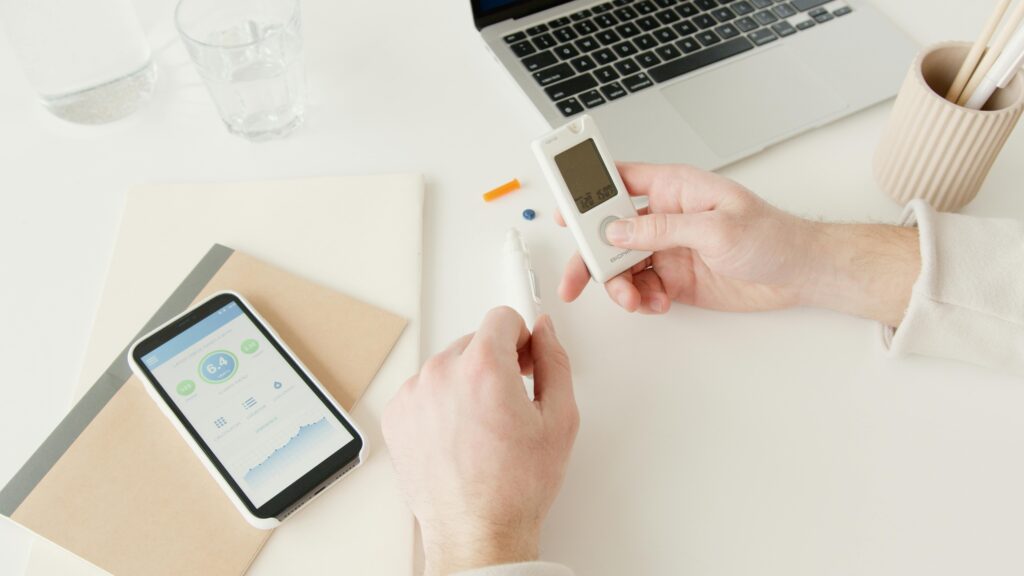
By Dr. Bikram Ratti MBBS (London) MRCGP – Private GP and Medical Doctor at The Doctor’s Practice, Birmingham Technology has revolutionised how men manage their health. From smartwatches tracking heart rate to AI-powered apps offering personalised fitness coaching, wearable tech is making it easier than ever to monitor, improve, and maintain well-being. As a private GP, I’ve seen how wearables can help men take control of their health, whether it’s detecting heart conditions early, managing chronic diseases, or optimising fitness goals. Let’s explore how wearable technology is reshaping men’s health—and how you can use it to stay ahead of potential health concerns. The Rise of Wearable Health Tech Wearable technology has evolved far beyond basic step counters. Today’s devices offer real-time insights into multiple health markers, including: ✔ Heart rate & variability – Monitoring for irregular rhythms or early signs of heart disease. ✔ Blood oxygen levels (SpO2) – Assessing lung and cardiovascular health. ✔ ECG monitoring – Detecting arrhythmias or abnormal heart patterns. ✔ Continuous glucose monitoring (CGM) – Helping diabetics manage blood sugar in real time. ✔ Sleep tracking – Identifying poor sleep patterns that impact long-term health. A 2023 study in The British Journal of Medicine found that regular use of wearable health monitors led to a 25% reduction in preventable health conditions, particularly those related to heart disease and diabetes. At The Doctor’s Practice, I encourage my patients to use wearable tech wisely—tracking meaningful data and acting on insights to improve long-term health. Revolutionising Men’s Health Monitoring For men, wearable technology offers a proactive approach to health management, particularly for chronic conditions and disease prevention. Heart Health & Arrhythmia Detection ✔ Devices like the Apple Watch and Fitbit can track heart rate trends and detect potential arrhythmias, alerting men to seek medical advice before serious complications arise. ✔ ECG-capable wearables provide early warnings for conditions like atrial fibrillation, reducing stroke risk. Managing Diabetes & Blood Sugar Levels ✔ Continuous Glucose Monitors (CGMs) allow real-time tracking of blood sugar fluctuations, helping men adjust diet, exercise, and medication without frequent hospital visits. ✔ Smart insulin pens can now sync with apps to help diabetics manage their dosage more accurately. A 2023 study in Diabetes & Technology Journal found that men using CGMs saw a 40% improvement in blood sugar control compared to traditional finger-prick testing alone. Enhancing Fitness & Mental Wellness Wearables aren’t just for tracking disease—they also play a huge role in optimising fitness, stress levels, and overall well-being. Fitness & Performance Tracking ✔ Smartwatches track calories burned, step count, and training intensity, helping men personalise their fitness plans. ✔ Heart rate variability (HRV) tracking provides insights into stress levels and recovery needs. ✔ AI-powered coaching apps analyse wearable data to adjust workouts in real time. Sleep & Mental Health Monitoring ✔ Devices like Oura Ring and Whoop Band provide detailed sleep stage analysis, helping men improve sleep quality. ✔ Smart wearables track stress levels using HRV and cortisol markers, guiding men towards breathing exercises and meditation techniques. A 2023 meta-analysis in The Journal of Sleep & Stress Science found that men using sleep-tracking wearables improved their sleep duration by 25% and reported lower stress levels over six months. The Future of Wearable Tech in Men’s Health Next-Gen Innovations: What’s Coming? 🔹 Hormone Monitoring Wearables – Future devices will track testosterone, cortisol, and thyroid levels, helping men optimise hormonal health. 🔹 Smart Blood Pressure Cuffs – New wearable blood pressure monitors will offer 24/7 hypertension tracking for at-risk individuals. 🔹 AI-Integrated Predictive Health – AI will analyse wearable data to predict potential health risks before symptoms appear. A 2024 report from The Global Health Tech Institute predicts that wearables combined with AI will reduce hospital admissions by 30% within the next five years. Are Wearables Worth It? The Verdict Men often ask me: Are wearables just a gimmick, or do they really improve health? ✔ For fitness enthusiasts – Wearables help optimise workouts, track progress, and prevent overtraining. ✔ For men with chronic conditions – Devices like CGMs and ECG trackers provide lifesaving insights. ✔ For general well-being – Sleep tracking, stress monitoring, and recovery tools offer valuable daily health guidance. However, wearable tech is only as effective as how you use it. Data alone won’t improve health—you need to act on insights and make positive lifestyle changes. At The Doctor’s Practice, I help my patients interpret their wearable data and make personalised adjustments to improve their overall health. Book an Appointment with Dr. Bikram Ratti Interested in optimising your health with wearable technology? Let’s develop a data-driven plan to help you live longer, healthier, and stronger. Book an appointment with Dr. Bikram Ratti at The Doctor’s Practice today. 🌐 Book Online Now 📞 Call: 0121 661 2366 📱 WhatsApp: 07388 623527 📷 Instagram: @thedoctorspractice 📍 Located in Edgbaston, Birmingham | 📅 Appointments available 7 days a week 🔗 Visit our website: www.thedoctorspractice.co.uk References The British Journal of Medicine (2023). The impact of wearable health monitors on disease prevention. Diabetes & Technology Journal (2023). The effectiveness of CGMs for blood sugar control. The Journal of Sleep & Stress Science (2023). Wearable devices and their effect on sleep and stress levels. The Global Health Tech Institute Report (2024). The future of AI-integrated wearable technology.
Ethics in Aesthetic Medicine: Navigating the Balance Between Enhancement and Natural Beauty

[ux_image id=”56514″ image_size=”medium”] By Dr. Rinku Ratti MBBS (distinction) MRCGP (distinction) BSc (Honours) DFFP DRCOG. – Aesthetic and Medical Doctor at The Doctor’s Practice, Birmingham. Aesthetic medicine is more than just cosmetic enhancement—it’s about confidence, self-care, and patient well-being. As an aesthetic doctor, I have deep conversations with my patients about their goals and concerns, ensuring they feel empowered, informed, and comfortable in their choices. But with the rise of social media beauty standards, influencer culture, and aggressive marketing, there are increasing ethical concerns around realistic expectations, patient autonomy, and responsible practice. At The Doctor’s Practice, I prioritise natural, ethical enhancements that align with my patients’ unique features and personal goals. This blog explores the core ethical principles in aesthetic medicine, including patient autonomy, practitioner responsibility, and the influence of societal beauty standards. Patient Autonomy & Informed Consent ✔ Patients should have full control over their aesthetic choices. ✔ Practitioners must provide clear, honest information about treatments. ✔ Informed consent must be thorough, not just a formality. Aesthetic treatments, unlike medical interventions for illness, are elective. This makes informed consent even more critical. What Does Ethical Informed Consent Involve? ✔ Educating patients on potential risks, benefits, and realistic outcomes. ✔ Addressing unrealistic expectations—especially when influenced by edited images or social media. ✔ Encouraging open discussions about motivations—ensuring procedures align with personal well-being, not external pressures. For example, if a patient requests anti-wrinkle injections expecting to look drastically different, it’s my duty to educate them on realistic results. Patients should never feel pressured into treatments they don’t fully understand or need. A 2023 study in The Journal of Aesthetic Medicine found that up to 35% of patients seeking aesthetic treatmentshad unrealistic expectations based on social media portrayals rather than medical facts. This is why ethical practitioners must be clear, honest, and patient-focused in consultations. The Responsibility of Aesthetic Practitioners ✔ Practitioners must be trained, skilled, and prioritise safety. ✔ Marketing should be ethical and not prey on insecurities. ✔ The rise of unregulated providers poses risks to patient safety. Aesthetic medicine is a medical specialty, not just a beauty service. Unfortunately, the increasing availability of non-medical practitioners offering treatments raises serious concerns. Key Ethical Responsibilities for Aesthetic Doctors ✔ Only performing treatments within our expertise and training. ✔ Providing aftercare and ongoing support for patients. ✔ Avoiding aggressive marketing tactics that prey on insecurities. For instance, at The Doctor’s Practice, I focus on enhancing natural beauty, not creating artificial transformations. I also ensure that my patients understand what’s safe, effective, and suitable for their unique facial structure. A 2023 report from the British Aesthetic Medicine Association highlighted that poorly trained injectors have led to a rise in complications such as vascular occlusions and filler migration. Ethical doctors must advocate for stricter regulations and patient safety. The Influence of Beauty Standards & Social Media ✔ Social media has changed how people perceive beauty and ageing. ✔ Excessive editing and filters create unrealistic expectations. ✔ Practitioners should encourage self-confidence over chasing trends. Many of my patients bring in filtered selfies or ask for treatments because they want to look like a celebrity or influencer. While aesthetic medicine can enhance features, it should never be about erasing individuality. The Ethical Approach to Beauty Standards ✔ Helping patients appreciate their natural features rather than chasing trends. ✔ Promoting healthy, balanced aesthetics instead of extreme enhancements. ✔ Educating on the dangers of unrealistic expectations created by social media. A 2022 study in the British Journal of Psychology found that constant exposure to edited images increases dissatisfaction with natural appearances, leading to higher requests for aesthetic procedures based on unattainable beauty ideals. At The Doctor’s Practice, I guide my patients toward realistic, natural, and confidence-boosting results—helping them feel like the best version of themselves, not someone else. The Ethical Future of Aesthetic Medicine Aesthetic medicine will continue evolving, but patient safety, realistic expectations, and ethical practice must remain at the centre. ✔ Stricter regulations for non-medical practitioners should be enforced to improve patient safety. ✔ Ongoing education for both patients and practitioners will ensure treatments remain ethical. ✔ Aesthetic medicine should empower patients, not encourage insecurity. Ethical practice is about honest conversations, responsible treatments, and helping patients feel their best in their own skin. Book an Appointment with Dr. Rinku Looking for expert, ethical aesthetic treatments? Book an appointment with Dr. Rinku at The Doctor’s Practicetoday for a consultation focused on natural beauty and honest advice. 🌐 Book Online Now 📞 Call: 0121 661 2366 📱 WhatsApp: 07388 623527 📷 Instagram: @thedoctorspractice 📍 Located in Edgbaston, Birmingham | 📅 Appointments available 7 days a week 🔗 Visit our website: www.thedoctorspractice.co.uk References The Journal of Aesthetic Medicine (2023). Patient expectations vs. reality in aesthetic procedures. British Aesthetic Medicine Association Report (2023). The rise of unregulated injectors and patient safety risks. British Journal of Psychology (2022). The effects of social media filters on body image and self-esteem.
Skin Care for Men: Essential Tips for Maintaining Healthy, Youthful Skin
By Dr. Bikram Ratti MBBS (London) MRCGP – Private GP and Medical Doctor at The Doctor’s Practice, Birmingham For many men, skincare has never been a priority—until now. Over the past decade, there’s been a huge shift in how men approach self-care, and maintaining healthy skin is no longer just for women. More men are recognising the importance of proper skincare to help them look fresher, prevent premature ageing, and protect their skin from environmental damage. As a private GP, I see many men struggling with dryness, acne, irritation, and signs of ageing. The good news? A simple, effective skincare routine can help restore and maintain healthy, youthful skin. Let’s break down why skincare matters, the best routine for men, and the biggest mistakes to avoid. Why Skincare Matters for Men Your skin is the largest organ in your body and plays a crucial role in protecting against pollutants, bacteria, and sun damage. If not properly cared for, your skin can become dry, irritated, and more prone to premature ageing. ✔ Reduces breakouts and irritation – Cleansing removes excess oil and dirt that clog pores. ✔ Prevents premature ageing – A good routine keeps skin hydrated and slows wrinkle formation. ✔ Protects against sun damage – Daily SPF prevents sunburn, pigmentation, and skin cancer. ✔ Boosts confidence – Healthy, clear skin makes you look and feel better. A 2023 study in The British Journal of Dermatology found that men who followed a consistent skincare routine had 30% fewer skin issues compared to those who neglected their skin. The Ultimate Skincare Routine for Men Skincare doesn’t have to be complicated or time-consuming. A few key steps can make a huge difference. Cleansing – The First Essential Step ✔ Wash your face twice a day (morning & night) to remove dirt and oil. ✔ Use a gel cleanser for oily skin or a cream-based cleanser for dry skin. ✔ Avoid harsh soaps—they strip natural oils and dry out your skin. Exfoliation – Removing Dead Skin Cells ✔ Exfoliate 1-2 times a week to clear dead skin and prevent clogged pores. ✔ Look for gentle scrubs or chemical exfoliants with AHAs or BHAs. ✔ Over-exfoliating can irritate the skin—stick to a balanced routine. Moisturising – Hydration for Healthy Skin ✔ Even if you have oily skin, don’t skip moisturiser—it keeps your skin barrier strong. ✔ Use a lightweight, non-greasy moisturiser in the morning and a hydrating one at night. ✔ Look for ingredients like hyaluronic acid and ceramides to keep skin soft and firm. Sun Protection – The Most Important Step ✔ Daily SPF is essential—sun damage leads to premature ageing and increases cancer risk. ✔ Use a broad-spectrum sunscreen (SPF 30 or higher) every morning. ✔ If you’re outdoors for long periods, reapply sunscreen every 2 hours. A 2023 study in The Journal of Skin Protection confirmed that daily sunscreen use reduces signs of ageing by 50%and lowers the risk of skin cancer significantly. Targeted Treatments – Addressing Skin Concerns ✔ If you have acne, look for products with salicylic acid or benzoyl peroxide. ✔ If you’re worried about fine lines or dark circles, consider a retinol or vitamin C serum. ✔ For sensitive skin, choose fragrance-free and hypoallergenic products. Choosing the Right Products for Your Skin Type Not all skincare is one-size-fits-all. The right products depend on your skin type: Oily Skin (Shiny, Prone to Breakouts) ✔ Use oil-free cleansers and lightweight gel moisturisers. ✔ Look for salicylic acid to control breakouts. ✔ Avoid heavy, greasy creams that clog pores. Dry Skin (Feels Tight, Rough, or Flaky) ✔ Use hydrating cleansers and rich moisturisers with hyaluronic acid. ✔ Avoid harsh exfoliators that strip natural oils. Combination Skin (Oily in Some Areas, Dry in Others) ✔ Use a gentle foaming cleanser and lightweight, non-greasy moisturiser. ✔ Apply exfoliants only to oily areas to avoid drying out your skin. Sensitive Skin (Easily Irritated or Red) ✔ Stick to fragrance-free and alcohol-free skincare products. ✔ Look for soothing ingredients like aloe vera and chamomile. ✔ Avoid harsh scrubs or strong acids that can trigger irritation. Common Skincare Mistakes to Avoid Even the best routine won’t work if you’re making these common mistakes: ❌ Overwashing – Strips natural oils, leading to dryness and breakouts. Stick to twice a day. ❌ Skipping Moisturiser – Even oily skin needs hydration to prevent overproduction of oil. ❌ Not Using Sunscreen – UV damage causes wrinkles, pigmentation, and skin cancer over time. ❌ Using Harsh Products – Alcohol-based cleansers and strong scrubs cause irritation. Why Skincare is a Long-Term Investment Men’s skincare is not about vanity—it’s about protecting and maintaining healthy skin for life. A good routine helps you: ✔ Look fresher and younger for longer. ✔ Prevent premature ageing and sun damage. ✔ Reduce breakouts, dryness, and skin irritation. ✔ Boost confidence with clear, healthy skin. At The Doctor’s Practice, I help men develop simple, effective skincare plans tailored to their needs. Book an Appointment with Dr. Bik Want expert guidance on building the best skincare routine for your skin type? Book an appointment with Dr. Bik at The Doctor’s Practice today.