
TSW vs Eczema: What’s the Difference — Risks, Reality & What Works | The Doctor’s Practice Birmingham
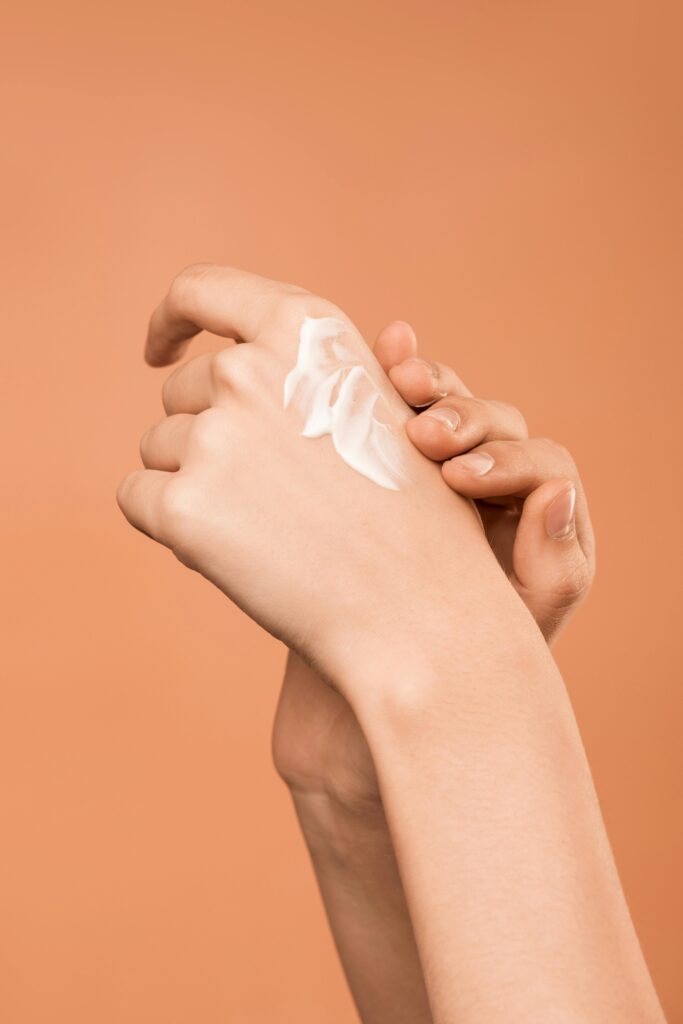
Topical steroid withdrawal (TSW) is increasingly recognised as a condition distinct from eczema. Dr Rinku Ratti explains the medical evidence, why TSW occurs, how it differs from chronic eczema, and what genuinely helps — from careful withdrawal to supportive therapies including emerging CAP approaches. TSW vs Eczema: Understanding the Difference and Medical Approach By Dr Rinku MBBS (London) MRCGP – Private GP & Women’s Health Doctor at The Doctor’s Practice, Birmingham Instagram: @drrinkuofficial | @thedoctorspractice Introduction In my clinic, I increasingly meet patients with eczema who’ve followed the standard advice — topical steroid creams — for years. Then, one day, they stop. Instead of improvement, their skin becomes fiery red, burning, peeling, painful — worse than ever. They are often told “it’s just a severe eczema flare”, or “you haven’t applied the cream correctly”. But more and more research suggests there is a real phenomenon behind these reactions: Topical Steroid Withdrawal (TSW) — a condition that can mimic, but is medically distinct from, typical eczema or Atopic Dermatitis (AD). This blog examines what we do know, what remains uncertain — and most importantly, how we approach TSW safely, compassionately and based on evidence. What Is TSW (Topical Steroid Withdrawal)? And How Is It Different to Eczema? 1. TSW Defined — A Distinct Reaction, Not Just “Bad Eczema” TSW is a syndrome characterised by redness, burning, itching, peeling, and often oozing of the skin — typically after prolonged use of medium- to high-potency topical corticosteroids, then sudden cessation. Recent work from National Institutes of Health (NIH) indicates that TSW may be a separate dermatological condition, distinct from eczema — driven by a metabolic imbalance (e.g. accumulation of certain mediators) rather than the immune-mediated inflammation typical of AD. In some cases, TSW skin becomes red and inflamed in areas that were not previously affected, sometimes spreading beyond the original eczema patches. In contrast, eczema/AD is a chronic inflammatory skin disease rooted in genetic predisposition, barrier dysfunction, immune dysregulation, often with a history of flares and remission. Topical steroids treat the inflammation — but if used excessively, may lead to TSW instead of resolution. 2. What Research Says (and Doesn’t Yet Know) A 2015 systematic review concluded that TSW is “likely a distinct clinical adverse effect of topical corticosteroid misuse”. However, the quality of evidence remains low; many studies rely on patient reports, case series, or online support-group data rather than rigorous trials. A 2023 observational study among adults previously diagnosed with AD reported patient-reported TSW symptoms after steroid cessation — highlighting variability in presentation, duration and severity. Importantly, animal and cellular work suggests mechanisms may involve withdrawal-induced vasodilation, skin-barrier collapse, cytokine fluxes and microbiome changes — different from classical eczema inflammation. In short: TSW is increasingly accepted as a real, medically important phenomenon — but many aspects remain uncertain (prevalence, risk thresholds, individual susceptibility, optimal management). What Actually Helps: Evidence-Based Approach to TSW & Eczema 1. Medical Supervision & Careful Tapering If TSW is suspected, it should be managed under medical supervision — abrupt withdrawal is risky, especially if high-potency steroids have been used for long periods. Clinical guidelines advise careful tapering, skin monitoring and supportive care. At The Doctor’s Practice, we begin with a detailed skin history, potency and duration of steroid use, pattern of withdrawal, current skin status — to differentiate TSW from eczema flare, infection, or other dermatitis. 2. Gentle Barrier Repair & Skin Support Because TSW often involves barrier breakdown, vasodilation and inflammation, the mainstay is not aggressive steroids or exfoliation — but barrier repair, moisturisation, gentle cleansing, hydration, and avoidance of irritants. We may also use topical calcineurin inhibitors or non-steroid anti-inflammatories under supervision when needed. 3. Emerging Therapies: What About CAP? One of the most promising areas of interest is Cold Atmospheric Plasma (CAP) Therapy — a newer technology showing potential for managing chronic inflammatory skin conditions and supporting barrier repair, reducing microbial colonization, and improving skin healing. A number of patients with severe TSW have sought CAP-based clinics abroad, and at our practice reporting improvements in inflammation and skin integrity after months of conventional withdrawal. Though clinical trial data remain sparse, early case series and mechanistic studies suggest CAP may help restore skin barrier, modulate skin microbiome, and reduce inflammatory signals — all of which align with our understanding of TSW pathophysiology. At The Doctor’s Practice we stay abreast of emerging therapies and support patients in evidence-based, medically supervised decisions. If CAP becomes more widely validated, we will consider it as part of a multi-modal plan — but always with transparent discussion about benefits, limitations and risks. 4. Holistic Care: Nutrition, Stress, Microbiome, Mental Health TSW is not only skin-deep. Many patients describe profound distress — physical discomfort, insomnia, social isolation, anxiety. We address these aspects with a holistic plan: Gentle, non-irritating hygiene and skin care Nutrition rich in antioxidants, anti-inflammatory nutrients, omega-3s Sleep hygiene and stress management Skin barrier support (moisturisation, protective emollients) Psychological support when needed We integrate this with our other services (GP care, comprehensive skin assessment, health-screening) — always tailoring to the individual’s history and needs. Simple Routine & Practical Steps (If You Suspect TSW) Stop or taper topical steroids under medical supervision — do not self-stop. Use gentle, fragrance-free cleansers and rich barrier moisturisers. Avoid aggressive exfoliation, retinoids or new strong topicals until skin stabilises. Maintain hydration, balanced diet, omega-3 intake. Protect skin from irritants (harsh soaps, strong detergents, abrasive fabrics). Seek regular follow-up to monitor skin and systemic symptoms. Engage support for stress, sleep, mental health if needed. How We Assess & Manage TSW/Eczema at The Doctor’s Practice When you come to us with suspected TSW or problematic eczema, our pathway includes: Detailed consultation about your skin history (length and potency of steroid use, areas treated, previous responses, withdrawals) Full skin and systemic examination (barrier function, signs of inflammation, infection, microbiome issues) Exclusion of alternative diagnoses: