
Hyperpigmentation Explained: When Uneven Skin Tone Is a Medical Signal, Not Just a Skin Concern
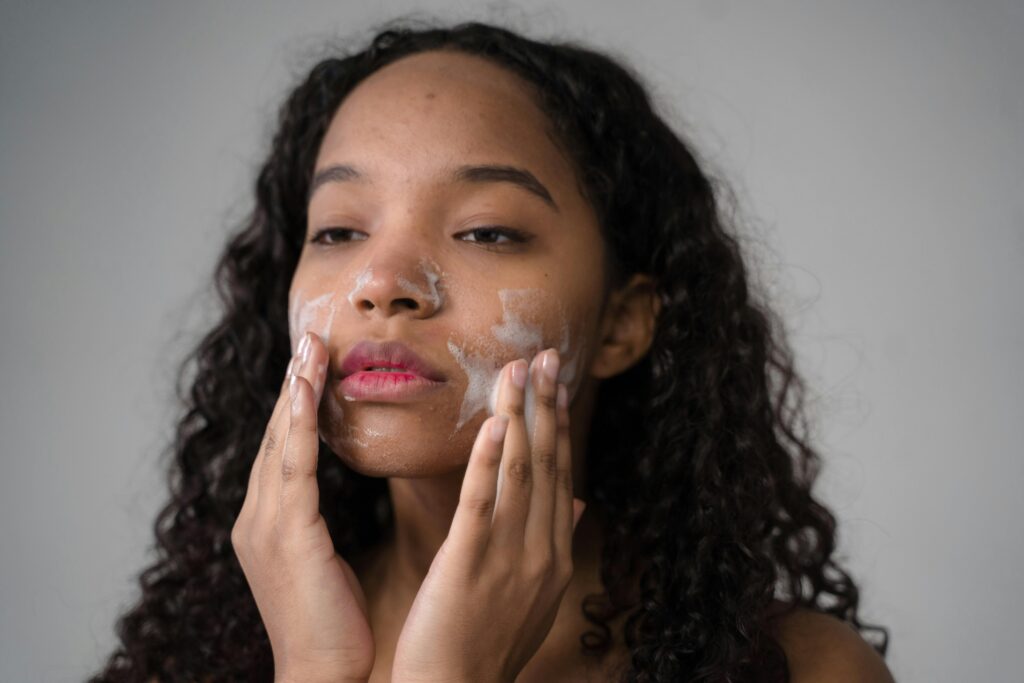
Understanding the medical science, lived symptoms and evidence-based treatments — explained by a doctor. Written by Dr Rinku Ratti MBBS (London) BSc (Hons) DRCOG DFFP MRCGP Level 7 Masters in Aesthetics Private GP, Cosmetic Doctor & Women’s Health Specialist Instagram: @thedoctorspractice | @drbikofficial | @drrinkuofficial Introduction In our aesthetic clinic in Edgbaston, Birmingham, hyperpigmentation is one of the most frequently discussed concerns. Patients often describe it simply as “uneven skin tone” or “dark patches that won’t fade”. But clinically, pigmentation is not always just cosmetic. Sometimes it reflects post-inflammatory change following acne. Sometimes it signals hormonal shifts, metabolic changes or chronic ultraviolet exposure. Occasionally, it can indicate an underlying medical condition that requires investigation rather than exfoliation. Hyperpigmentation occurs when melanocytes — the pigment-producing cells in the epidermis — increase melanin production or deposit pigment unevenly within the skin. The visible result is darker patches, but beneath the surface lies a complex interaction between inflammation, hormones and cellular signalling. Understanding the biology determines whether treatment should focus on correction, regulation or investigation. The Science Behind Pigmentation Melanin is produced by melanocytes within the basal layer of the epidermis. Its primary role is photoprotection. When the skin is exposed to ultraviolet radiation, inflammatory mediators stimulate melanogenesis. Enzymes such as tyrosinase drive melanin synthesis, which is then transferred to keratinocytes. Research published in dermatological journals such as the Journal of Investigative Dermatology describes how chronic UV exposure increases melanocyte activity and alters melanosome distribution. Inflammatory signals — including cytokines released after acne lesions — can also upregulate melanin production. Pigmentation is therefore both protective and reactive. Biological Mechanisms Beneath Dark Patches Hyperpigmentation develops through several mechanisms: Increased melanin production Abnormal melanin distribution Dermal melanin deposition following inflammation Hormonal stimulation of melanocytes Post-inflammatory hyperpigmentation (PIH) follows injury or acne. Melasma, by contrast, is strongly influenced by hormonal signalling and ultraviolet exposure. In both conditions, melanocyte activity becomes dysregulated. Evidence suggests that oestrogen and progesterone can influence melanocyte stimulation, which partly explains why melasma is common during pregnancy or with hormonal contraception. Pigmentation is not random. It follows biological pathways. When Pigmentation Signals Something Deeper In clinic, uneven skin tone occasionally reveals systemic patterns. For example: Acanthosis nigricans may indicate insulin resistance. Diffuse pigmentation changes may accompany endocrine disorders. Chronic inflammatory acne can leave persistent post-inflammatory marks. This is why hyperpigmentation assessment should include medical history, hormonal context and metabolic evaluation where appropriate. It is not always simply a skincare issue. Patients struggling with acne-related pigmentation may benefit from understanding the inflammatory basis of breakouts, as explored in our discussion of adult acne and hormonal sensitivity. Lived Patterns in Women Hyperpigmentation frequently intensifies during: Pregnancy Perimenopause Periods of high stress Following inflammatory skin episodes As discussed in our guide to menopause-related skin changes, fluctuating oestrogen levels influence collagen density and melanocyte behaviour. Stress physiology also plays a role. Cortisol can exacerbate inflammatory pathways, indirectly influencing pigment production. Skin reflects endocrine balance. What Current Research Indicates Reviews in dermatology literature indicate that melasma involves both epidermal and dermal pigment deposition, with vascular and inflammatory components contributing to persistence. Research suggests that strict photoprotection remains foundational. Without UV control, treatment outcomes are limited. Importantly, over-aggressive resurfacing can worsen pigmentation in darker skin types. Inflammatory insult can amplify melanocyte activity. Treatment must therefore be calibrated and medically supervised. Myths About Hyperpigmentation One misconception is that pigmentation is purely cosmetic. In some cases, it is a dermatological signpost to deeper metabolic or hormonal shifts. Another myth is that stronger peels or lasers automatically produce better results. Excessive inflammation may worsen pigment irregularity. Finally, many believe pigmentation will fade without intervention. While superficial pigment may lighten, dermal deposition can persist for years. Restraint and strategy outperform intensity. Evidence-Based Treatment Approaches Management depends on the underlying mechanism. Options may include: Topical tyrosinase inhibitors Retinoids to normalise keratinocyte turnover Carefully selected chemical peels Targeted microneedling in appropriate cases Regenerative support as outlined in our overview of advanced hyperpigmentation treatments In some patients, metabolic or hormonal review may be warranted alongside aesthetic therapy. The objective is pigment regulation, not simply surface lightening. Lifestyle, Sunlight and Prevention Photoprotection is non-negotiable. Broad-spectrum sunscreen, protective clothing and behavioural sun avoidance remain central. UV radiation continues to stimulate melanogenesis even on overcast days. Dietary antioxidants and anti-inflammatory lifestyle measures may support overall skin resilience, though evidence varies in strength. Pigmentation control is cumulative. So is prevention. Assessment at The Doctor’s Practice At The Doctor’s Practice — a private GP-led clinic in Edgbaston, Birmingham — hyperpigmentation assessment begins with clinical differentiation. We evaluate: Distribution pattern Depth of pigment Hormonal history Inflammatory triggers Metabolic indicators where appropriate Our approach integrates medical insight with aesthetic precision. The aim is clarity — identifying whether pigment is reactive, hormonal or systemic before designing treatment. Uneven skin tone deserves medical interpretation. Frequently Asked Questions Is hyperpigmentation always cosmetic? No. In some cases, it reflects hormonal, inflammatory or metabolic processes. Can stress worsen pigmentation? Stress may exacerbate inflammatory signalling, which can indirectly influence melanocyte activity. Are pigmentation treatments safe for all skin types? Treatment must be tailored carefully, particularly in darker skin tones where inflammation can worsen pigment deposition. Is hyperpigmentation common in Birmingham clinics? Yes. We frequently assess pigmentation concerns at our clinic in Edgbaston, Birmingham. Will pigmentation return after treatment? It may recur if hormonal or UV triggers persist. Maintenance and photoprotection are essential. A Personal Note Hyperpigmentation can feel subtle yet deeply personal. It changes how light reflects on the face. It alters confidence quietly. But skin is dynamic. With correct assessment and measured intervention, improvement is achievable. The key is recognising when pigmentation is merely cosmetic — and when it is biological. Book an Appointment with Dr Rinku The Doctors Practice 7 Chad Square, Hawthorne Road Edgbaston, Birmingham B15 3TQ Website: https://www.thedoctorspractice.co.uk Book: https://thedoctorspractice.co.uk/book-an-appointment/ Google Maps: https://share.google.com/X4VOVkY3Vz5Fgfj1C Phone: 0121 661 2366 WhatsApp: +447388623527 Instagram: @thedoctorspractice | @drbikofficial | @drrinkuofficial References Grimes PE. Melasma. J Am Acad Dermatol. 1995;33(3):S56–S59. Passeron T, Picardo M. Melasma, a photoaging disorder. Pigment Cell Melanoma Res. 2018;31(4):461–465. https://doi.org/10.1111/pcmr.12685 Handog EB, et al. Acanthosis nigricans: clinical and etiologic
Hidden Medical Causes of Hyperpigmentation | The Doctor’s Practice Birmingham

Hyperpigmentation is not just “sun damage.” Dr Rinku Ratti explains the medical causes—hormones, inflammation, deficiencies, medication effects—and how to diagnose & treat pigmentation properly. Hidden Medical Causes of Hyperpigmentation That Most People Don’t Know About By Dr Rinku MBBS (London) MRCGP – Private GP & Women’s Health Doctor at The Doctor’s Practice, Birmingham Instagram: @drrinkuofficial | @drrinkuofficial Introduction Hyperpigmentation is one of the most common concerns I see in clinic. Women tell me: “My pigmentation has come out of nowhere.” “No matter what I use, it always comes back.” “I’ve spent so much on products but nothing seems to help.” And in many cases, they’re right: because pigmentation is often not a skincare problem — it’s a medical one. Of course sun exposure plays a role, but in clinic I routinely diagnose underlying causes such as: Hormonal fluctuations Thyroid problems Insulin resistance Vitamin deficiencies Post-inflammatory skin responses Medication-related pigmentation Perimenopause-related changes This blog uncovers the lesser-known causes of pigmentation — and why treating the root is essential. The Deep Medical Causes of Hyperpigmentation 1. Hormonal Shifts — The Melasma Connection Melasma is one of the most hormonally-driven pigmentation disorders. Research published in The British Journal of Dermatology (2020) explains that fluctuations in oestrogen and progesterone increase melanocyte activity, particularly in women in their 30s–50s. This is why pigmentation often worsens: During perimenopause With hormonal contraception During pregnancy With HRT adjustments Around menstrual cycle fluctuations Women frequently tell me, “It appears in the same places every time.” This is classic hormonal-melanocyte patterning. 2. Insulin Resistance – An Overlooked Cause of Pigmentation One of the clearest indicators of insulin resistance is Acanthosis Nigricans—darkened, velvety pigmentation often seen on the: Neck Underarms Groin Knuckles A 2021 study in Clinical Endocrinology found that even mild insulin resistance can lead to pigmentation via growth-factor signalling in the skin. Women at highest risk include those with: PCOS Midlife weight gain Sugar cravings Fatigue after meals Family history of diabetes This is why we often include glucose metabolism tests in our Comprehensive Health Screening: https://www.thedoctorspractice.co.uk/health-screening 3. Vitamin Deficiencies & Anaemia Low levels of: Vitamin B12 Folate Iron Vitamin D can all contribute to: Diffuse pigmentation Under-eye darkening Poor healing Dull, uneven tone A review in Dermato-Endocrinology (2019) highlights the role of nutritional deficiencies in increasing oxidative stress—making pigmentation harder to fade. You would be surprised how many patients discover their pigmentation was linked to a deficiency uncovered during their blood tests. Our GP-led screening is here: https://www.thedoctorspractice.co.uk/gp-services 4. Thyroid Dysfunction Both hypothyroidism and hyperthyroidism can change the way melanocytes behave. A 2020 paper in Endocrinology Research demonstrated that thyroid hormones influence melanin production, contributing to: Generalised darkening Facial pigmentation Patchy uneven tone Women often present with fatigue, hair changes and pigmentation together — and thyroid imbalance is the link. 5. Post-Inflammatory Hyperpigmentation (PIH) PIH happens after: Acne Eczema Sunburn Injuries Picking/squeezing spots Allergic rashes Inflammation triggers excess melanin production. This is particularly common in skin of colour, and can last months to years without proper treatment. Treating PIH often requires: Identifying the inflammatory trigger Reducing inflammation medically Gentle skin therapies (chemical peels, microneedling, polynucleotides) Our doctor-led aesthetic department manages this precisely: https://www.thedoctorspractice.co.uk/aesthetics 6. Medication-Induced Pigmentation Some medications are known to cause pigmentation, especially: Oral contraceptives Anticonvulsants Certain antibiotics (tetracyclines) NSAIDs Chemotherapy Amiodarone Anti-malarials A review in Drug Safety (2021) showed drug-induced pigmentation can persist even after stopping the medication. This is why your medication history is crucial. Myths & Facts (Bullet Format) Myth: Hyperpigmentation is just sun damage. Fact: Hormones, deficiencies, inflammation, medications and thyroid issues all contribute. Myth: Only laser treatments can fix pigmentation. Fact: Internal metabolic and hormonal correction is often far more effective. Myth: Vitamin C alone can cure pigmentation. Fact: It helps — but won’t work if underlying inflammation or hormones are unbalanced. Myth: Pigmentation will fade on its own if you avoid the sun. Fact: Without treating root causes (hormones, insulin, deficiencies), it often persists or returns. Myth: Only older women get pigmentation. Fact: Melasma, PIH and medication-related pigmentation can occur at any age. Evidence-Based Treatments That Actually Work 1. Medical Screening First — Not Guesswork We start by identifying underlying triggers such as: Hormonal imbalance Iron, B12, folate, vitamin D deficiency Thyroid disorders Insulin resistance Post-inflammatory triggers This is why many patients start with a Health Screening to uncover hidden metabolic links: https://www.thedoctorspractice.co.uk/health-screening 2. Hormonal Management for Melasma This may include: Adjusting contraception Managing perimenopause Treating PCOS Considering HRT optimisation A 2023 review in Women’s Dermatology shows HRT adjustments can significantly impact pigmentation. 3. Repletion of Key Deficiencies Correcting deficiencies can support: Faster fading of pigmentation Better skin healing Reduced oxidative stress This often includes: Vitamin D B12 / folate Iron Zinc Omega-3 Antioxidant-rich diet 4. Aesthetic Treatments (Doctor-Led) Once the medical side is addressed, pigmentation responds far better to: Chemical peels (for PIH, melasma, Cosmelan) Polynucleotides (improves inflammation + texture) Microneedling (evens tone, boosts collagen) Targeted pigmentation protocols Skin boosters (restore hydration, reduce dullness) Our clinic specialises in doctor-led skin treatments: https://www.thedoctorspractice.co.uk/aesthetics 5. Daily Skin Routine That Makes a Difference Morning: Gentle cleanser Vitamin C serum SPF 50 (non-negotiable) Evening: Retinoid (if suitable) Niacinamide Barrier-repair moisturiser Weekly: Exfoliation In-clinic treatments if advised Most importantly: consistency and medical guidance. How We Assess Hyperpigmentation at The Doctor’s Practice Your consultation includes: Full skin examination Hormonal review (where relevant) Medication review Blood tests for deficiencies + thyroid + insulin resistance Inflammation mapping Menopause/perimenopause review Aesthetic suitability assessment Bespoke skin plan Ongoing follow-up This integrated model — GP + women’s health + aesthetics — is what makes results stronger and longer lasting. Frequently Asked Questions 1. Why is my pigmentation getting worse as I age? Hormonal changes, slower cell turnover, sun history and deficiencies all contribute. 2. Is there a
Skin Pigmentation Treatment in Birmingham – 5 Proven Doctor-Led Solutions

Discover safe, doctor-led skin pigmentation treatments in Birmingham with Dr Rinku. Evidence-based, personalised, and effective Written by Dr Rinku Ratti MBBS (London), MRCGP – Aesthetic Doctor & GP at The Doctor’s Practice, Edgbaston, Birmingham. /skin-pigmentation-treatment-birmingham/ When we think about ageing, most people focus on wrinkles — but uneven skin tone and pigmentation can often make us look older than we are. As a doctor specialising in aesthetic medicine, I see many patients who are surprised to learn that skin pigmentation treatment in Birmingham can make as much difference as any wrinkle-reduction treatment. At The Doctor’s Practice, we take a holistic, evidence-based approach to skin health. Pigmentation isn’t just a cosmetic issue; it’s a reflection of how your skin has been protected, treated, and nourished over time. The good news? It’s treatable — safely and effectively. What Causes Skin Pigmentation? Pigmentation (or hyperpigmentation) happens when your skin produces too much melanin — the pigment that gives skin its colour. Common triggers include: Sun exposure: UV rays are the main culprit. They trigger melanin as protection, but over time, this creates uneven patches and dark spots. Daily SPF use really does make all the difference. Hormonal changes: Conditions such as melasma, often seen during pregnancy or with certain contraceptives, can cause blotchy patches on the face. Post-inflammatory pigmentation: After acne or inflammation, the healing process can leave behind stubborn dark marks. Ageing: As we age, skin renewal slows and pigmentation becomes more visible. Genetics: People with darker skin tones naturally have more melanin and are therefore more prone to unevenness. Preventing Skin Pigmentation At The Doctor’s Practice, prevention ion always comes first before treatment. Simple but consistent habits to protect your skin every day can make all the difference, using medical grade skin care form Obagi and Mesoestetic help too: Daily SPF 30 or higher: Reapply every two hours if you’re outdoors. Protective clothing: Hats, sunglasses, and lightweight UV fabrics shield the skin. Avoid midday sun: Between 10 a.m. and 4 p.m., the rays are strongest. Antioxidants: Skincare with Vitamin C helps neutralise free radicals and brighten dull skin. Don’t pick spots: It worsens inflammation and increases pigmentation risk. Evidence-Based Skin Pigmentation Treatments in Birmingham If pigmentation is already visible, there are several proven medical treatments that can help restore balance and clarity. 1. Medical-Grade Topical Treatments Prescription creams containing hydroquinone, retinoids, vitamin C, or niacinamide can gradually reduce dark spots and encourage fresh skin cell turnover. These should always be used under medical supervision for best results. 2. Chemical Peels Professional medical-grade chemical peels including Cosmelan and other top performing peel from the mesoestetic range – exfoliate dull, pigmented skin and stimulate regeneration. Depending on your needs, Dr. Rinku may recommend superficial or medium-depth peels for targeted brightening. 3. Microneedling Microneedling triggers collagen production and allows active ingredients — such as polynucleotides or vitamin-rich serums — to penetrate deeper layers. The result is smoother, clearer skin with improved tone and elasticity. 4. Skin Boosters and Brightening Injections Skin boosters can hydrate and rejuvenate the skin from within. Treatments like Profhilo® or polynucleotides improve texture, elasticity, and pigmentation over time. 5. Personalised Doctor-Led Plans Every skin type is unique. Dr. Rinku Ratti, Aesthetic Doctor and GP at The Doctor’s Practice, performs detailed assessments before designing a plan tailored to your skin tone, history, and goals. Whether managing melasma, sun damage, or post-acne pigmentation, our approach is safe, regulated, and effective. Why Choose The Doctor’s Practice? Doctor-led aesthetic medicine with over 20 years of clinical experience CQC-registered clinic in Edgbaston, Birmingham Evidence-based skincare using medical-grade products Personalised consultation with Dr. Rinku Ratti Continuity of care for consistent, safe results In Summary Pigmentation may be stubborn — but it’s not permanent. With the right skin pigmentation treatment in Birmingham, you can achieve clear, radiant skin that reflects your inner vitality. If you’re considering skin pigmentation treatment in Birmingham, book a consultation with Dr Rinku Ratti at The Doctor’s Practice Birmingham. We’ll assess your skin, identify the root causes, and create a personalised plan to help you feel confident in your complexion again. To learn more or book a consultation with Dr. Rinku Ratti, visit The Doctor’s Practice Birmingham or call 0121 661 2366. Your skin, in safe hands.