
Hormonal Acne in Women: Medical Causes No One Talks About | The Doctor’s Practice Birmingham
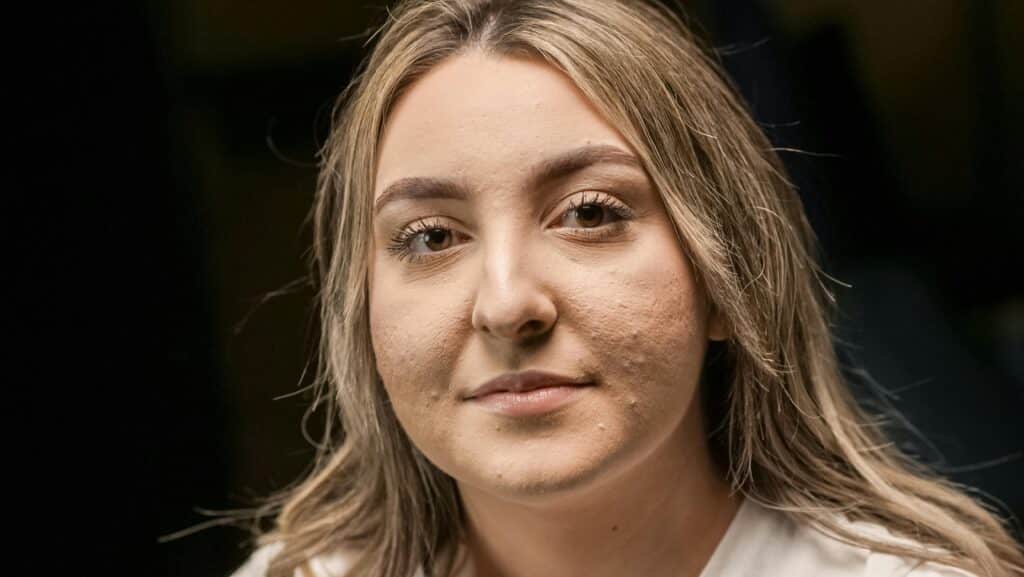
Dr Rinku Ratti, Private GP & Women’s Health Doctor in Birmingham, explains the real medical causes of hormonal acne — including gut health, stress hormones, insulin resistance and hidden deficiencies — and how to treat it properly. Hormonal Acne in Women: The Medical Causes No One Talks About By Dr Rinku MBBS (London) MRCGP – Private GP & Women’s Health Doctor at The Doctor’s Practice, Birmingham Instagram: @drrinkuofficial | @thedoctorspractice Introduction Over the years, countless women have sat in front of me and said: “I’m not a teenager anymore — why am I still getting acne?” “My breakouts flare before my period like clockwork.” “I’ve tried everything… nothing works.” And every single time, I reassure them: Hormonal acne is not about poor hygiene or “bad skin care.” It is a medical issue — one that reflects what’s happening inside the body. Most women are surprised when they discover their acne is linked to things like: Insulin resistance Chronic stress hormones Low progesterone High androgens Thyroid imbalance Gut disruption Vitamin deficiencies And because these causes are rarely explored, many women feel frustrated, confused, and dismissed. This blog breaks down the real medical reasons behind hormonal acne — the ones most women never hear about. The Deep Medical Causes of Hormonal Acne 1. Androgens: The Most Overlooked Drivers of Adult Acne Hormonal acne is strongly influenced by androgen activity (testosterone, DHEA-S). Research published in JAMA Dermatology (2020) highlights that even normal-range androgens can trigger acne in women who are genetically sensitive to them. This is why many women with hormonal acne have: Jawline and chin breakouts Cystic, painful spots Flare-ups before their period Worsening acne after stopping contraception Androgens increase: Sebum production Skin inflammation Follicular clogging This combination leads to deep, painful breakouts that don’t respond to traditional skincare. 2. Insulin Resistance & Sugar Spikes This is one of the most silent and misunderstood causes of hormonal acne. A large 2021 study in Clinical Endocrinology found that insulin resistance increases androgen activity, inflammation, and oil production — all major acne triggers. Women at risk include those who: Have PCOS Gain weight around the middle Crave sugar Feel fatigued after meals Have irregular periods This is why acne often improves when metabolic health is optimised. Full metabolic screening is part of our comprehensive health assessments: https://www.thedoctorspractice.co.uk/health-screening 3. Stress Hormones — Cortisol, Burnout & Skin Inflammation Chronic stress raises cortisol, which directly impacts: Oil-gland activity Skin inflammation Wound healing Sleep quality A study in Acta Dermato-Venereologica (2019) showed that cortisol dysregulation worsens acne severity, especially in women with high-stress lifestyles. This is why women in their 30s, 40s and 50s — juggling careers, child care or ageing parents — often see worsening skin. Stress-induced acne looks like: Forehead / jawline breakouts Fluctuating severity Acne that appears during burnout or poor sleep 4. Gut–Skin Axis: IBS, Bloating & Acne The connection between gut health and acne is one of the most rapidly expanding areas of research. A 2021 review in Frontiers in Microbiology highlighted strong links between: Dysbiosis Increased intestinal permeability Systemic inflammation Skin barrier impairment Women with hormonal acne often report: Bloating Food sensitivities Constipation IBS symptoms And when gut health improves — so does the skin. 5. Vitamin Deficiencies That Are Almost Never Checked Certain deficiencies directly worsen acne: Vitamin D deficiency increases inflammation (shown in Dermato-Endocrinology, 2020). Vitamin B12 imbalance can trigger acneiform eruptions. Zinc deficiency is strongly associated with persistent acne. Omega-3 deficiency increases inflammatory lesions. These are all assessed during our women’s health screenings and full blood panels: https://www.thedoctorspractice.co.uk/gp-services 6. Thyroid & Menopause-Related Acne Many women develop acne during: Perimenopause Postpartum recovery After stopping HRT After stopping contraception A study in Obstetrics & Gynecology Science (2020) confirmed that fluctuating oestrogen and progesterone destabilise oil glands and increase sensitivity to androgens. Women with thyroid dysfunction — especially hypothyroidism — are also more prone to persistent acne due to sluggish skin turnover and hormonal imbalance. Common Myths: “Acne is caused by not washing properly.” “Only teenagers get hormonal acne.” “Blood tests can’t tell you anything about acne.” “If skincare doesn’t work, nothing will.” “It’s just cosmetic.” Facts: Acne is hormonal and inflammatory — not caused by poor hygiene Adult women in their 30s–50s experience hormonal acne more than ever before. They reveal insulin resistance, thyroid issues, androgen excess and vitamin deficiencies. Acne improves dramatically when medical causes are treated. Acne commonly reflects underlying metabolic or hormonal imbalance. Treatments That Actually Work (Evidence-Based) 1. Medical Assessment & Blood Tests The first step is identifying the underlying cause. At The Doctor’s Practice, we assess: Full hormonal profile Thyroid function Insulin resistance markers Inflammatory markers Vitamin deficiencies Gut/IBS symptoms Menstrual cycle patterns This is often more revealing than any skincare routine. Explore our GP-led assessments: https://www.thedoctorspractice.co.uk/gp-services 2. Hormonal Treatments (Tailored, Not Generic) For some women, targeted hormonal support can be transformative. Evidence from The British Journal of Dermatology (2022) shows that hormonal therapies significantly reduce acne severity, especially in women with: PCOS Irregular periods High androgens Menopause-related acne Options include: HRT (for menopausal women) Cycle regulation Metabolic treatments Anti-androgen strategies (only when clinically appropriate) 3. Skin Treatments That Genuinely Help Hormonal Acne Doctor-led aesthetic treatments are often essential because they target collagen, inflammation and healing rather than just the surface. Effective options include: Chemical peels Microneedling Polynucleotides for scarring and inflammation LED therapy and CAP therapy Targeted acne protocols Research in Aesthetic Medicine (2023) showed polynucleotides reduce inflammation and improve post-acne texture, especially in hormonally driven cases. Explore our aesthetic treatments: https://www.thedoctorspractice.co.uk/aesthetics 4. Metabolic & Gut Health Correction This includes: Improving insulin sensitivity Protein-rich nutrition Balancing gut bacteria Omega-3 support Studies in Nutrients (2022) confirm that metabolic optimisation improves acne severity — especially in adult women. A Simple Daily Routine for Hormonal Acne Morning: Gentle non-stripping cleanser Niacinamide serum Light moisturiser SPF 30–50 Evening: Double cleanse Retinoid (if appropriate) Barrier-repair moisturiser Weekly: Chemical exfoliation (AHA/BHA) Professional skin treatment if recommended Internal routine: High-protein breakfast Reduce sugar spikes Magnesium glycinate Omega-3 Regular sleep schedule But