
Regenerative Skin Treatments Explained by a Doctor: The Science Behind Skin Repair and Renewal
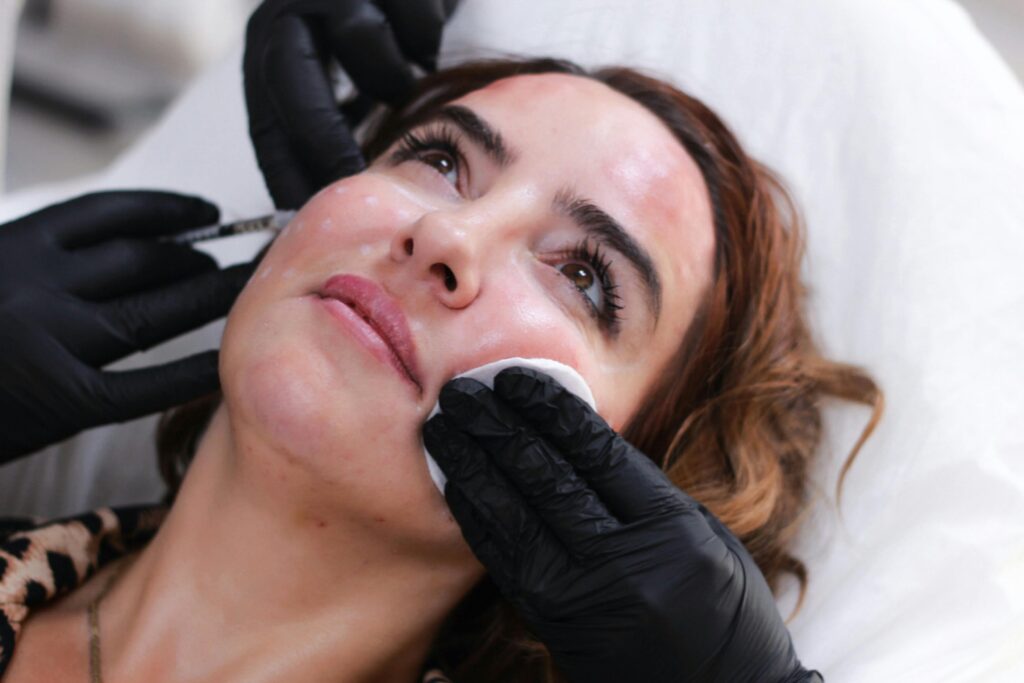
A refined, evidence-based look at how regenerative aesthetic treatments work beneath the skin — written by a doctor. Written by Dr Rinku Ratti MBBS (London) BSc (Hons) DRCOG DFFP MRCGP Level 7 Masters in Aesthetics Private GP, Cosmetic Doctor & Women’s Health Specialist Instagram: @drrinkuofficial | @thedoctorspractice Introduction In my work at The Doctors Practice in Edgbaston, Birmingham, one of the most interesting developments in aesthetic medicine over the past decade has been the rise of regenerative skin treatments. Traditionally, aesthetic treatments focused on correcting visible ageing — softening wrinkles or restoring lost volume. Increasingly, however, both clinicians and patients are becoming more interested in supporting the biology of the skin itself. Rather than masking ageing changes, regenerative medicine focuses on improving how skin repairs, renews and maintains its structure. This approach includes treatments such as microneedling, skin boosters and polynucleotide therapy, which aim to stimulate natural repair pathways within the dermis. Regenerative aesthetic medicine therefore represents a shift in thinking: instead of asking how to fill or freeze ageing changes, we ask how to improve the health and resilience of the skin itself. Skin regeneration treatments aim to support fibroblast activity, collagen production and tissue repair processes within the dermis — mechanisms increasingly discussed within modern dermatology and regenerative medicine. The Science Behind Regenerative Skin Treatments The skin is not a static organ. It is constantly renewing itself through a balance of cellular repair, collagen production and tissue turnover. Fibroblasts — the cells responsible for producing collagen and elastin — play a central role in maintaining skin structure. Over time, however, fibroblast activity declines. Collagen production decreases and the extracellular matrix that supports skin begins to weaken. This leads to many of the visible changes associated with ageing: reduced elasticity • fine lines and creasing • thinning of the skin • uneven texture Regenerative aesthetic treatments aim to support these natural repair pathways, encouraging the skin to rebuild structural proteins and improve tissue quality. Biological Mechanisms Beneath the Skin Several regenerative approaches are used in modern aesthetic medicine. Microneedling Microneedling works by creating controlled micro-injuries within the skin, stimulating the wound-healing response. This process activates fibroblasts and increases collagen production, leading to gradual improvements in skin texture and elasticity. Polynucleotide Treatments Polynucleotides are DNA-derived molecules used in regenerative dermatology. Research indicates that these compounds may: stimulate fibroblast activity • support collagen synthesis • improve tissue repair • reduce inflammatory signalling Studies reviewing polynucleotide treatments in aesthetic medicine report improvements in skin texture, elasticity and wrinkle depth when used appropriately. At a molecular level, polynucleotides are thought to activate cellular repair pathways and improve microcirculation, which may support tissue regeneration within the dermis. Skin Boosters Skin boosters focus on deep hydration and dermal support, improving skin quality rather than changing facial structure. These treatments help restore hydration and resilience within the skin’s extracellular matrix. Skin Changes and Ageing Patterns Ageing skin is influenced by several biological and environmental processes. Intrinsic ageing reflects gradual cellular decline and reduced collagen production. Extrinsic ageing is driven by environmental factors such as: ultraviolet radiation • pollution • smoking • chronic inflammation Patients commonly notice: dull or tired-looking skin • fine lines and early wrinkles • uneven texture • loss of elasticity • under-eye thinning In many cases, these changes are not simply cosmetic but reflect deeper biological changes occurring within the dermis. Latest Research Research into regenerative dermatology continues to expand. Studies exploring polydeoxyribonucleotide (PDRN) compounds — one form of polynucleotide therapy — suggest these molecules may support cell migration, angiogenesis and tissue regeneration, processes important for wound healing and skin repair. Other research highlights the ability of these molecules to stimulate collagen synthesis and improve dermal structure through cellular signalling pathways. While evidence in aesthetic medicine continues to evolve, many clinicians view regenerative treatments as an important complement to more traditional aesthetic approaches. Myths vs Facts Myth: Regenerative treatments replace traditional aesthetic treatments. Fact: They often complement other treatments rather than replace them. Myth: Polynucleotides work like dermal fillers. Fact: Fillers restore volume, whereas regenerative treatments aim to improve skin biology. Myth: Regenerative treatments produce instant results. Fact: Improvements typically occur gradually as the skin’s repair processes respond. Evidence-Based Treatments At The Doctors Practice, aesthetic care is always approached through a medical framework. Treatments offered by Dr Rinku Ratti include: microneedling • polynucleotide treatments • skin boosters • anti-wrinkle injections • dermal fillers These treatments are selected based on a personalised assessment of skin health, not simply cosmetic concerns. Often, the most effective approach involves combining treatments that address both skin quality and structural ageing. Lifestyle and Skin Health Routine Long-term skin health depends on more than procedures. Key foundations include: daily photoprotection • adequate sleep • balanced nutrition • stress management • consistent skincare routines Treatments may support skin regeneration, but lifestyle factors remain central to maintaining healthy skin. Assessment at The Doctors Practice At The Doctors Practice — a private GP-led clinic in Edgbaston, Birmingham — aesthetic consultations begin with a comprehensive assessment. We evaluate: skin thickness and elasticity • pigmentation patterns • inflammatory skin conditions • lifestyle influences • hormonal health where relevant This structured approach allows treatments to be tailored to the individual biology of the skin, rather than following generic aesthetic trends. FAQs What is regenerative aesthetic medicine? It refers to treatments designed to support the skin’s natural repair processes rather than simply altering its appearance. What are polynucleotides used for in skin treatments? They are used to support collagen production, tissue repair and skin regeneration. Do regenerative treatments work immediately? Most improvements occur gradually as the skin’s natural repair mechanisms respond. Do you provide regenerative skin consultations in Birmingham? Yes. Dr Rinku offers aesthetic consultations at our clinic in Edgbaston, Birmingham. A Personal Note The most exciting aspect of modern aesthetic medicine is not dramatic transformation. It is the growing understanding of skin biology and regeneration. When treatments support the natural repair systems of the skin, results tend to appear more subtle, more natural and often
Men’s Skin Health and Confidence: A Doctor’s Perspective on Regenerative Skin Care
A refined, evidence-based look at the biology of male skin and the science behind modern regenerative treatments — explained by a doctor. Written by Dr Bikram Ratti MBBS (London) MRCGP Private GP & Men’s Health Specialist The Doctor’s Practice, Birmingham Instagram: @thedoctorspractice | @drbikofficial | @drrinkuofficial Introduction In my work at The Doctor’s Practice in Edgbaston, Birmingham, one trend has become increasingly clear: more men are beginning to take their skin health seriously. This shift has been gradual, but significant. For many years, skincare and aesthetic medicine were often perceived as something primarily associated with women. In reality, however, skin health is simply another aspect of overall wellbeing. Just as conversations around men’s health have expanded to include mental health, cardiovascular prevention and hormonal health, the same evolution is now occurring in skin health. Movember has played an important role in broadening awareness around men’s wellbeing. While the campaign traditionally focuses on prostate cancer, testicular cancer and mental health, it has also helped open discussions around confidence, self-care and preventative health. In clinical practice, the relationship between appearance, confidence and overall wellbeing is very real. Skin health is not vanity. It is physiology. The Science Behind Men’s Skin Biological Differences in Male Skin Male skin differs biologically from female skin in several important ways. Typically, men have: thicker dermal layers • higher collagen density • greater sebaceous gland activity • larger pores and increased oil production These differences are largely driven by androgen hormones, particularly testosterone. Because testosterone stimulates collagen production, men often develop wrinkles later than women. However, when ageing changes do occur, they can appear deeper and more structurally pronounced. Research published in the Journal of Investigative Dermatology has demonstrated that hormonal influences significantly affect skin thickness, collagen architecture and sebaceous activity. These biological differences mean that male skin often responds particularly well to treatments that focus on regeneration and dermal repair rather than simple superficial hydration. Environmental and Lifestyle Factors Beyond biological differences, lifestyle factors play a major role in male skin health. Common contributors include: chronic sun exposure • repeated shaving irritation • environmental pollution • stress and sleep deprivation • smoking and alcohol consumption Ultraviolet radiation remains the most significant external ageing factor. Chronic UV exposure generates reactive oxygen species within the skin. These molecules damage collagen fibres, degrade elastin and accelerate visible skin ageing. A large epidemiological analysis published in the British Journal of Dermatology confirmed that cumulative UV exposure is the primary driver of visible skin ageing worldwide. In other words, ageing is partly biological — but environmental damage plays an equally important role. Common Skin Concerns in Men In consultations with male patients, the concerns I hear most frequently include: sun damage and uneven pigmentation • enlarged pores and oily skin • redness or rosacea • early wrinkles and skin laxity • dull or tired-looking skin • thinning hair or scalp concerns Interestingly, men rarely attend consultations asking to “look younger”. Instead, most simply say: “I just want to look healthier and less tired.” That goal aligns perfectly with the philosophy of modern regenerative medicine. Regenerative Skin Treatments The central idea behind regenerative aesthetics is straightforward. Rather than temporarily masking ageing changes, these treatments aim to stimulate the skin’s natural repair processes. Regenerative treatments typically aim to: increase collagen production • reduce chronic inflammation • stimulate tissue repair pathways • improve overall skin quality over time Common regenerative approaches include: microneedling • polynucleotide therapy • platelet-rich plasma treatments • light-based and energy-based skin therapies These treatments activate natural cellular repair pathways that support dermal regeneration. Clinical research published in the Aesthetic Surgery Journal demonstrates that regenerative therapies can significantly improve collagen synthesis, skin elasticity and dermal architecture when delivered appropriately. The goal is not dramatic transformation. The goal is subtle, natural improvement. Myths About Men and Skincare Several misconceptions still surround men’s skin health. Myth: Skincare treatments are mainly for women. Fact: Skin biology is universal. Men benefit equally from treatment. Myth: Aesthetic medicine is about looking artificial. Fact: The best treatments simply make people look healthier. Myth: Men should ignore skin ageing. Fact: Prevention significantly slows visible skin ageing. The most effective approach is not aggressive intervention. It is consistent long-term care. Evidence-Based Treatments At The Doctor’s Practice in Birmingham, our approach to skin health is always doctor-led and medically informed. Consultations often include: evaluation of skin structure and texture • assessment of lifestyle factors • identification of underlying dermatological concerns • personalised treatment planning Where appropriate, patients may explore treatments through our aesthetic medicine clinic: https://thedoctorspractice.co.uk/aesthetic-medicine/ Skin health is also closely linked to broader health factors, which is why many patients combine aesthetic consultations with comprehensive health screening: https://thedoctorspractice.co.uk/services/health-screening/ Hormonal balance, nutrition, sleep quality and inflammation all influence how the skin ages. Skin health does not exist in isolation from overall health. A Simple Doctor-Led Skin Routine For most men, a simple and consistent routine works best. A strong foundation includes: daily broad-spectrum SPF protection • antioxidant serums such as vitamin C • gentle cleansing • regular exfoliation • adequate sleep and hydration Consistency matters far more than complexity. Small daily habits often produce the greatest long-term results. Assessment at The Doctor’s Practice At The Doctor’s Practice — a private GP-led clinic in Edgbaston, Birmingham — skin assessments begin with a medical approach. During consultation we typically assess: skin thickness and elasticity • pigmentation patterns • inflammation and redness • lifestyle influences • hormonal health where relevant From there we develop a personalised treatment plan designed to support long-term skin health. The goal is always the same: natural, healthy-looking skin that enhances confidence without altering identity. Frequently Asked Questions Do men benefit from aesthetic treatments? Yes. Male skin often responds well to regenerative treatments due to its higher collagen density. What are the most common skin concerns in men? Sun damage, enlarged pores, redness and early signs of ageing. Does the UK climate still cause skin ageing? Yes. Ultraviolet
Polynucleotides and the Future of Regenerative Skin Treatments

A refined, evidence-based look at how this treatment works beneath the skin — written by a doctor. Written by Dr Rinku Ratti MBBS (London) BSc (Hons) DRCOG DFFP MRCGP Level 7 Masters in Aesthetics Private GP, Cosmetic Doctor & Women’s Health Specialist Instagram: @thedoctorspractice | @drbikofficial | @drrinkuofficial Introduction In my work at The Doctor’s Practice in Edgbaston, Birmingham, one topic has been appearing increasingly often in aesthetic consultations: regenerative skin treatments. Patients today are not simply asking how to smooth a line or add volume. More often, they want to understand how to improve the health of their skin itself. This shift reflects a broader change within aesthetic medicine. Treatments are moving away from purely structural correction and towards biological regeneration. Among the therapies attracting attention in this space are polynucleotides — a class of regenerative treatments designed to support skin repair and improve cellular activity within the dermis. Rather than masking ageing, these treatments attempt to support the skin’s own repair mechanisms. Understanding how they work requires looking beneath the surface. Polynucleotides are fragments of DNA-derived molecules that interact with skin cells and extracellular structures. Evidence suggests they may support fibroblast activity, modulate inflammation and contribute to dermal repair pathways, which is why they are increasingly discussed within regenerative dermatology. The Science Behind Polynucleotides Polynucleotides are purified DNA fragments that originate from natural biological sources. In aesthetic medicine they are used as biostimulatory treatments, meaning their role is to stimulate the skin’s natural regenerative processes. Within the skin, these molecules may influence several biological pathways: stimulation of fibroblast activity • support for collagen and elastin production • modulation of inflammatory signalling • improvement in microvascular circulation Fibroblasts are the cells responsible for producing collagen, elastin and other structural proteins that maintain skin strength and elasticity. As skin ages, fibroblast activity gradually declines. This reduction contributes to thinning skin, reduced elasticity and slower repair processes. Research in regenerative dermatology suggests that polynucleotide-based treatments may help create an environment that supports cellular repair and extracellular matrix restoration. Biological Mechanisms Beneath the Skin When polynucleotides are introduced into the dermis, their role is not to add volume but to influence the biological behaviour of skin cells. Several mechanisms are discussed in the scientific literature. Hydration support is one of them. Polynucleotide chains can bind water molecules, which may improve the hydration environment surrounding dermal cells. They are also thought to interact with adenosine receptors, signalling pathways involved in inflammation and tissue repair. Evidence indicates that these mechanisms may contribute to: improved tissue regeneration • enhanced dermal repair processes • reduced inflammatory stress within the skin In practical terms, this may translate into improvements in skin texture, elasticity and resilience over time. Skin Changes and Ageing Patterns Ageing skin reflects several biological processes occurring simultaneously. Collagen production declines. Elastin fibres fragment. Inflammatory signalling gradually increases. Environmental exposure — particularly ultraviolet radiation and pollution — accelerates these changes. Patients often notice: loss of skin elasticity • dull or fatigued appearance • fine lines and creasing • uneven skin texture • thinning under-eye skin In our doctor-led aesthetic clinic in Birmingham, treatments are selected based on these patterns rather than simply on age. Regenerative treatments such as microneedling or skin boosters may sometimes be combined with biostimulatory therapies depending on the skin’s needs. What Current Research Suggests Interest in regenerative dermatology has grown significantly over the past decade. Studies exploring DNA-derived biostimulatory compounds suggest these molecules may support wound healing pathways, fibroblast migration and tissue repair mechanisms. Research published in dermatological and regenerative medicine journals indicates that polynucleotide treatments may contribute to: improved dermal hydration • enhanced cellular repair environments • increased fibroblast activity While research in this field continues to evolve, current evidence suggests these therapies may play a role in supporting skin regeneration when used appropriately. Myths and Misunderstandings As regenerative treatments become more widely discussed, misconceptions often appear. One common myth is that polynucleotides function like dermal fillers. They do not. Fillers add structural volume, whereas regenerative treatments aim to support biological repair processes. Another misunderstanding is that regenerative treatments create immediate dramatic change. In reality, they are designed to support gradual improvements in skin quality over time. Subtlety is the goal. Evidence-Based Treatment Approaches At The Doctor’s Practice, aesthetic treatments are approached through a medical framework. Before recommending any treatment we consider: skin structure and elasticity • pigmentation patterns • inflammatory skin conditions • hormonal influences • overall health factors This medical perspective is important because skin health is closely connected with wider physiological processes. Patients often combine aesthetic consultations with health screening or broader wellbeing assessments within our private GP clinic. Skin is, after all, a visible reflection of internal physiology. Lifestyle and Skin Integrity Treatments alone rarely determine long-term skin quality. Lifestyle factors play an equally important role. Chronic ultraviolet exposure remains the most significant driver of visible ageing. Other contributing factors include: smoking • poor sleep • chronic stress • nutritional imbalance • environmental pollution Daily photoprotection and consistent skincare routines remain fundamental. Regenerative treatments may complement these foundations, but they cannot replace them. Assessment at The Doctor’s Practice At The Doctor’s Practice — a private GP-led clinic in Edgbaston, Birmingham — aesthetic consultations begin with a structured clinical assessment. We evaluate: skin thickness and elasticity • pigmentation patterns • inflammatory skin changes • lifestyle influences • hormonal stage where relevant Understanding these factors allows us to recommend treatments that support long-term skin health rather than short-term correction. FAQs What are polynucleotides used for in aesthetic medicine? They are regenerative treatments designed to support skin repair, hydration and cellular activity. Are polynucleotide treatments the same as dermal fillers? No. Fillers add volume, whereas polynucleotides aim to improve the biological health of the skin. How long do regenerative skin treatments take to work? Improvements tend to occur gradually as the skin’s repair processes respond. Do you offer regenerative skin consultations in Birmingham? Yes. Assessments are available at our clinic in Edgbaston, Birmingham. A Personal Note The most
Low Testosterone and Diabetes: The Hidden Hormone Link Doctors Are Now Screening For

A doctor’s evidence-based explanation of the science, symptoms and pathways behind this topic. Written by Dr Bikram Ratti MBBS (London) MRCGP Private GP & Men’s Health Specialist The Doctor’s Practice, Birmingham Instagram: @thedoctorspractice | @drbikofficial | @drrinkuofficial Introduction In my work at The Doctor’s Practice in Edgbaston, Birmingham, I often see men who attend with fatigue, weight gain or reduced motivation and are surprised to learn that low testosterone and diabetes can sometimes be closely linked. Testosterone is often thought of only in relation to sexual health, but its physiological role is much broader. It influences muscle mass, fat distribution, energy regulation, mood and metabolic health. Type 2 diabetes, meanwhile, is not simply a condition of elevated blood sugar. It reflects deeper metabolic changes involving insulin resistance, inflammation and long-term energy imbalance. Because these systems interact, it is increasingly recognised that hormonal health and metabolic health are connected. Understanding that connection allows clinicians to approach symptoms with greater clarity. Low testosterone and type 2 diabetes are frequently observed together in clinical practice. Research suggests that men with diabetes are more likely to have reduced testosterone levels, often alongside obesity, insulin resistance and other cardiometabolic risk factors. Men with type 2 diabetes frequently demonstrate lower testosterone levels compared with metabolically healthy populations. Evidence suggests that obesity, insulin resistance and hormonal signalling interact in ways that can influence both testosterone physiology and metabolic health. Understanding this relationship allows doctors to investigate fatigue, weight change and reduced vitality in a more structured way. The Science Behind Testosterone and Metabolism Testosterone production is regulated by the hypothalamic–pituitary–gonadal axis. The hypothalamus releases gonadotropin-releasing hormone (GnRH), which stimulates the pituitary gland to release luteinising hormone (LH). LH then signals the testes to produce testosterone. Once released into circulation, testosterone affects several metabolic processes. It helps maintain muscle mass, influences fat metabolism and contributes to energy regulation. Muscle tissue is a major site for glucose uptake, while visceral fat is strongly associated with insulin resistance. Because testosterone affects both muscle and fat distribution, hormonal changes may influence metabolic physiology. A review in the Journal of Diabetes Investigation discusses how testosterone deficiency commonly appears alongside type 2 diabetes and metabolic syndrome, highlighting the complex interaction between insulin resistance, obesity and endocrine signalling (Cheung et al., 2015). Biological Mechanisms Linking Low Testosterone and Diabetes Several mechanisms appear to connect testosterone levels with metabolic disease. Lower testosterone may contribute to increased visceral fat accumulation. Visceral adiposity is strongly associated with insulin resistance, which is central to the development of type 2 diabetes. At the same time, metabolic dysfunction can influence testosterone production. Obesity and insulin resistance may reduce testosterone partly through changes in sex hormone-binding globulin and broader endocrine signalling. This creates a metabolic cycle rather than a simple cause-and-effect relationship. Research examining men with diabetes suggests that testosterone deficiency, increased adiposity and impaired glucose regulation are frequently observed together (Cheung et al., 2015). Symptoms and Clinical Patterns Men rarely present saying they believe their testosterone is low. More commonly they describe broader concerns such as: persistent fatigue • reduced physical strength • increasing abdominal weight • lower libido • reduced motivation • slower recovery after exercise Because these symptoms overlap with metabolic syndrome and diabetes, identifying the underlying cause often requires careful assessment rather than relying on a single test result. Latest Research Evidence examining testosterone and metabolic health continues to evolve. Research suggests that testosterone deficiency is relatively common among men with type 2 diabetes and may be associated with obesity, insulin resistance and metabolic syndrome (Cheung et al., 2015). More recently, the T4DM clinical trial published in The Lancet Diabetes & Endocrinology investigated testosterone therapy in men enrolled in a structured lifestyle programme. The trial reported that testosterone treatment reduced the proportion of participants who developed type 2 diabetes over two years compared with lifestyle intervention alone. The authors also emphasised the importance of appropriate monitoring and patient selection due to potential side effects such as increased haematocrit (Wittert et al., 2021). These findings suggest testosterone may influence metabolic health in selected individuals, although treatment decisions must always be individualised. Myths vs Facts One myth is that every man with diabetes should automatically receive testosterone therapy. The evidence does not support that. Another misconception is that testosterone matters only for sexual health. In reality, hormones influence metabolism, body composition and energy levels. Equally, testosterone therapy is not a cure for diabetes. Type 2 diabetes remains a metabolic condition influenced by diet, physical activity, sleep and genetics. The most effective approach is careful assessment of symptoms, metabolic risk and hormonal status together. Evidence-Based Treatment Pathways The first step is always proper medical evaluation. When symptoms and clinical context suggest possible hormonal imbalance, testing may include morning testosterone alongside metabolic markers. At our clinic this can be arranged through our tests and diagnostics service and discussed during a structured private GP consultation. Some men benefit primarily from lifestyle intervention and improved metabolic control. Others, particularly those with consistent symptoms and confirmed biochemical deficiency, may be appropriate candidates for testosterone therapy under careful medical supervision. Men wanting a broader metabolic review may also consider health screening or assessment through our men’s health service. Lifestyle and Hormonal Health Lifestyle remains central to both hormonal and metabolic health. Weight reduction can improve insulin sensitivity and may also support testosterone levels in some men. Resistance training helps maintain lean muscle mass, while sleep and nutritional quality influence endocrine regulation. The T4DM trial reinforces this principle: testosterone therapy was studied within a structured lifestyle programme rather than in isolation (Wittert et al., 2021). Hormonal health and metabolic health should therefore be considered together. Assessment at The Doctor’s Practice At The Doctor’s Practice — a private GP-led clinic in Edgbaston, Birmingham — men concerned about fatigue, metabolic health or possible testosterone deficiency can undergo a structured medical assessment. Consultations explore symptoms, metabolic risk factors and hormonal patterns together. Where appropriate, targeted blood tests help determine whether testosterone levels are clinically relevant. The aim is thoughtful, evidence-based medicine — understanding the full metabolic picture before deciding on the most appropriate treatment pathway.
Testosterone and Spinal Cord Injury: A Doctor Explains the Hidden Hormonal Changes
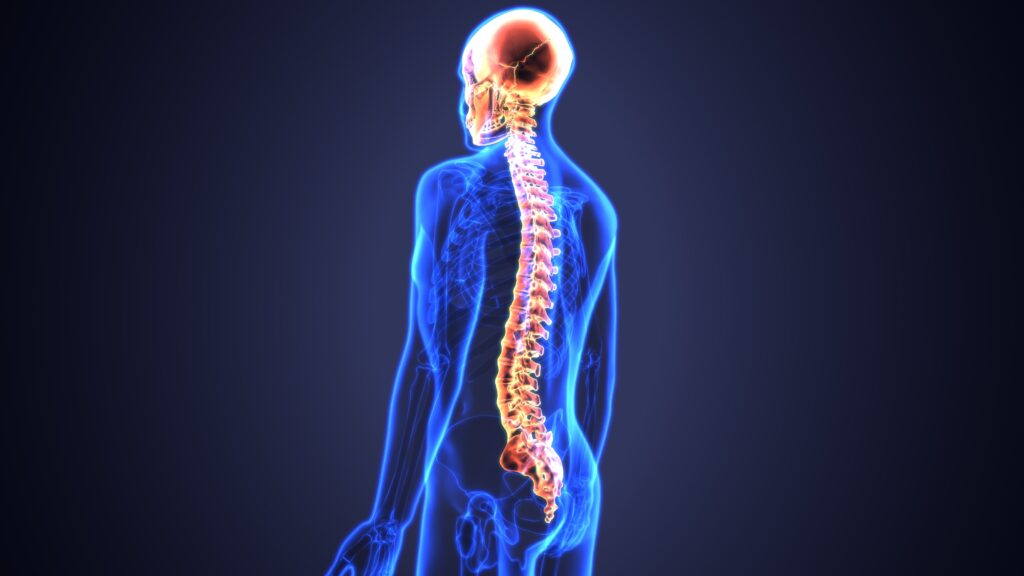
A doctor’s evidence-based explanation of the science, symptoms and pathways behind this topic. Written by Dr Bikram Ratti MBBS (London) MRCGP Private GP & Men’s Health Specialist The Doctor’s Practice, Birmingham Instagram: @thedoctorspractice | @drbikofficial | @drrinkuofficial Introduction In my work at The Doctors Practice in Edgbaston, Birmingham, one topic that receives surprisingly little attention is hormonal health after spinal cord injury. When spinal cord injury (SCI) is discussed, the focus is understandably neurological: mobility, sensation, rehabilitation and physiotherapy. Yet recovery after injury is never purely neurological. The endocrine system — the network of hormones regulating metabolism, muscle physiology and energy balance — is deeply interconnected with these processes. Testosterone is central to this system. It influences muscle mass, bone density, metabolic health, mood and energy levels. Following spinal cord injury, testosterone levels may change, and recognising these changes can be an important part of long-term health management. Spinal cord injury affects multiple physiological systems beyond the nervous system. Research suggests endocrine changes, including testosterone deficiency, may occur in some men after injury. These hormonal shifts may influence body composition, metabolic health and functional outcomes, which is why clinicians increasingly consider hormonal health as part of comprehensive rehabilitation. The Science Behind Testosterone Regulation Testosterone production is regulated by the hypothalamic–pituitary–gonadal (HPG) axis. The hypothalamus releases gonadotropin-releasing hormone (GnRH), stimulating the pituitary gland to produce luteinising hormone (LH). LH then signals the testes to produce testosterone. This hormonal system responds to several physiological signals, including metabolic status, inflammatory signalling, sleep regulation and neurological input. Following spinal cord injury, several of these regulatory pathways may be altered. Trauma, reduced physical activity, systemic inflammation and metabolic changes can all influence endocrine balance. Reviews discussing endocrine dysfunction after neurological injury highlight that hormonal disturbances — including changes in testosterone levels — may develop following spinal cord trauma. These changes may not be immediately apparent during early rehabilitation but can become more relevant over time. Biological Mechanisms Linking Spinal Cord Injury and Testosterone The mechanisms behind testosterone changes after spinal cord injury appear to be multifactorial. Reduced physical activity following injury may alter body composition and metabolic physiology. Increased adipose tissue can influence hormonal metabolism through aromatase activity, which converts testosterone into oestrogen. Inflammatory responses following trauma may also influence hypothalamic signalling and endocrine regulation. Research discussing endocrine dysfunction after spinal cord injury notes that hormonal disturbances may occur alongside changes in body composition and physical function. These complex interactions highlight why hormonal health can influence long-term outcomes following neurological injury. Symptoms and Clinical Patterns Low testosterone after spinal cord injury does not always present dramatically. Many symptoms overlap with broader physiological effects of neurological trauma, which can make diagnosis challenging. Some patients report: persistent fatigue • reduced muscle mass • increased body fat • reduced libido • lower mood or motivation • slower recovery of physical conditioning Because these symptoms are often attributed solely to the spinal injury itself, hormonal imbalance may remain undiagnosed unless clinicians actively consider it. In clinical practice, these patterns sometimes prompt further hormonal investigation. Latest Research Research examining endocrine changes after spinal cord injury suggests testosterone deficiency may occur more frequently in men with SCI compared with the general population. A systematic review published in BMJ Open examined testosterone levels in men with spinal cord injury and highlighted the prevalence of hypogonadism within this group. The authors discuss how hormonal deficiency may contribute to metabolic changes and reduced physical capacity in some patients. Other research exploring endocrine consequences of neurological trauma discusses how testosterone deficiency may be associated with altered body composition and functional outcomes following injury. Earlier rehabilitation research has also described hormonal disturbances following spinal cord injury and their potential implications for metabolic health and musculoskeletal physiology. Importantly, these studies emphasise that hormonal responses to spinal cord injury vary significantly between individuals. Myths vs Facts One misconception is that testosterone deficiency inevitably occurs after spinal cord injury. In reality, hormonal levels vary widely between patients. Many men maintain normal testosterone levels following injury. Another myth is that fatigue or reduced strength must simply be accepted as part of neurological recovery. While spinal cord injury affects multiple physiological systems, hormonal imbalance may sometimes contribute to these symptoms. Equally, testosterone therapy is not a universal solution. Treatment decisions must always be guided by symptoms, clinical evaluation and laboratory results. Evidence-Based Treatment Pathways When symptoms suggest possible hormonal imbalance, the first step is careful medical assessment. Hormonal evaluation typically includes morning testosterone levels alongside related markers such as luteinising hormone and sex hormone-binding globulin. At our clinic this assessment can be arranged through our tests and diagnostics service and discussed during a detailed private GP consultation. If biochemical testosterone deficiency is confirmed and symptoms are consistent, testosterone replacement therapy may be considered according to recognised clinical guidance. Men interested in broader hormonal health may also benefit from reviewing our overview of men’s health servicesand the role of preventive health screening in long-term wellbeing. Treatment decisions must always be individualised and medically supervised. Lifestyle and Hormonal Health After Spinal Cord Injury Hormonal balance is influenced by several lifestyle factors. Rehabilitation programmes that incorporate resistance training and metabolic conditioning may support muscle preservation and endocrine health. Nutrition, sleep regulation and maintaining healthy body composition also play important roles. For many individuals, hormonal optimisation forms part of a broader strategy to support long-term health after spinal cord injury. Assessment at The Doctor’s Practice At The Doctor’s Practice — a private GP-led clinic in Edgbaston, Birmingham — men living with spinal cord injury can undergo a comprehensive medical review that includes hormonal health when appropriate. Consultations may explore symptoms, metabolic health and rehabilitation progress. Where clinically indicated, targeted blood tests can assess testosterone and related hormones. The aim is not simply hormone replacement, but a thoughtful and personalised approach to long-term health following neurological injury. FAQs Can spinal cord injury reduce testosterone levels? Research suggests testosterone deficiency may occur more frequently in men with spinal cord injury than in the general population. Should testosterone levels be tested after spinal cord injury? Testing may be
Biohacking for Health and Longevity: Combining Supplements and Medical Treatments

A doctor-led evidence-based perspective on modern longevity strategies. Written by Dr Bikram Ratti MBBS (London) MRCGP Private GP & Men’s Health Specialist and Dr Rinku Ratti MBBS (London) BSc (Hons) DRCOG DFFP MRCGP Level 7 Masters in Aesthetics Private GP, Cosmetic Doctor & Women’s Health Specialist The Doctors Practice — Edgbaston, Birmingham Instagram: @thedoctorspractice | @drbikofficial | @drrinkuofficial Introduction In recent years the concept of biohacking has moved from niche technology circles into mainstream medicine and wellness. At its core, biohacking refers to optimising human biology through targeted interventions — combining lifestyle adjustments, supplements, and increasingly medical therapies to improve health, longevity, energy and recovery. In our private clinic in Edgbaston, Birmingham, patients increasingly ask about structured strategies to support: cellular health • energy levels • cognitive performance • metabolic efficiency • skin regeneration and longevity While the internet often frames biohacking as experimental or extreme, the clinical reality is more nuanced. When approached medically and safely, certain interventions can support normal physiology and address deficiencies that contribute to fatigue, inflammation and accelerated ageing. Modern biohacking therefore sits at the intersection of preventive medicine, nutritional science and regenerative therapies. Understanding Biohacking in Medical Practice The term biohacking can be misleading. In clinical medicine, most of these strategies simply reflect optimising biological systems through evidence-based support. This may include: correcting micronutrient deficiencies • improving mitochondrial function • supporting immune regulation • enhancing recovery and cellular repair Many physiological processes depend on adequate vitamin status, hormonal balance and metabolic efficiency. For example: Vitamin deficiencies can impair immune and neurological function. Mitochondrial dysfunction may contribute to fatigue. Chronic inflammation can accelerate ageing processes. The goal is not enhancement beyond normal biology — but restoring optimal function where lifestyle or modern stressors may have created imbalance. Supplements and Cellular Health Supplements remain the most widely used biohacking tools. Key nutrients involved in metabolic and neurological function include: Vitamin B complex Essential for cellular energy metabolism and nervous system health. Magnesium Supports muscle relaxation, sleep regulation and enzyme function. Vitamin D Crucial for immune regulation and bone health. Omega-3 fatty acids Associated with anti-inflammatory effects and cardiovascular protection. Research published in Nutrients and The American Journal of Clinical Nutrition highlights how micronutrient deficiencies can contribute to fatigue, immune dysfunction and metabolic disturbances. However, supplementation should ideally follow medical assessment and laboratory evaluation, as excessive or inappropriate dosing can also carry risks. Injectable Nutrients and Rapid Absorption Oral supplementation is not always sufficient. Absorption through the gastrointestinal tract can vary depending on: gut health • enzyme function • concurrent medications • metabolic demand This is where medical injectable therapies have gained attention. Intramuscular or intravenous administration allows nutrients to bypass digestive absorption barriers, delivering compounds directly into circulation. Examples sometimes used in medical wellness settings include: Vitamin B12 injections Commonly used to correct deficiency associated with fatigue or neurological symptoms. Myers’ cocktail IV therapy A mixture of vitamins and minerals originally described by Dr John Myers for conditions including fatigue and migraine. NAD+ therapy Nicotinamide adenine dinucleotide (NAD+) is a coenzyme involved in cellular energy production and DNA repair. Research suggests NAD levels decline with age, and this decline may influence mitochondrial efficiency. While research in this field is ongoing, early studies have generated interest in its potential role in metabolic and neurological health. The Role of NAD+ in Cellular Energy NAD+ plays a critical role in mitochondrial metabolism and cellular repair pathways. It participates in reactions involved in: ATP production • DNA repair • oxidative stress regulation Studies published in Nature Reviews Molecular Cell Biology describe how NAD+ supports the activity of sirtuins, enzymes linked with cellular longevity and metabolic regulation. Age-related decline in NAD+ has been associated with: reduced mitochondrial efficiency • increased oxidative stress • impaired cellular repair mechanisms For this reason, strategies aimed at supporting NAD metabolism — through precursors or medical therapies — have become an area of research interest in longevity science. Lifestyle Still Matters Most Despite increasing interest in supplements and injectable therapies, biohacking should never replace foundational health behaviours. Evidence consistently shows that the most powerful longevity interventions remain: regular physical activity • adequate sleep • balanced nutrition • stress management • smoking avoidance • sun protection These lifestyle factors influence inflammation, hormonal balance and metabolic health. No supplement can compensate for chronic sleep deprivation, smoking or poor nutrition. Medical therapies should therefore be viewed as supportive tools rather than primary solutions. Safety and Medical Oversight One of the major concerns surrounding biohacking trends online is lack of medical supervision. High-dose supplements and injectable treatments should always be guided by qualified clinicians because: some vitamins interact with medications • excessive dosing may cause toxicity • certain therapies may be inappropriate for specific medical conditions In medical practice, safe biohacking begins with: clinical consultation • blood testing • review of lifestyle and medical history • personalised treatment planning This ensures interventions are evidence-based and tailored to the individual. Biohacking and Skin Health Longevity medicine increasingly overlaps with aesthetic medicine. Skin health reflects underlying biological processes including: collagen production • oxidative stress • inflammation • hormonal changes Strategies that support cellular health may therefore indirectly influence skin quality and regeneration. In aesthetic practice, treatments that complement these biological pathways may include: microneedling • regenerative injectables • skin boosters • nutritional optimisation The goal is not artificial transformation but supporting the skin’s natural repair mechanisms. Biohacking at The Doctors Practice At The Doctors Practice in Edgbaston, Birmingham, biohacking is approached through a medical lens. Rather than trends or unverified protocols, consultations focus on: evidence-based supplementation • metabolic health assessment • hormonal evaluation • lifestyle optimisation Where appropriate, carefully selected treatments may complement broader health strategies. The emphasis remains on safety, prevention and long-term wellbeing. Frequently Asked Questions What is biohacking? Biohacking refers to strategies aimed at improving health, energy and longevity through lifestyle, nutritional and sometimes medical interventions. Are supplements enough for biohacking? Supplements may help correct deficiencies, but lifestyle