Seborrhoeic Keratosis Removal Birmingham

Doctor-Led Seborrhoeic Keratosis Removal

The Doctors Practice in Edgbaston provides professional seborrheic keratosis removal in Birmingham for patients who want safe assessment, cosmetic removal, and effective treatment in a dedicated minor surgery suite.

CQC-Registered-Birmingham-Medical-Clinic (2)
GMC Doctors Birmingham
5 Star Private Medical Clinic

Expert Seborrheic Keratosis Removal

Seborrheic keratosis is a common, non cancerous skin growth that can appear as skin coloured, brown, black, waxy, or warty raised bumps on the face, neck, chest, back, or elsewhere on the body. Although seborrhoeic keratosis is usually a harmless condition, many patients choose removal for cosmetic reasons, irritation, or peace of mind.

At The Doctors Practice in Edgbaston, Dr Bik and Dr Rinku are medical doctors with extensive experience in lesion removal, including seborrhoeic keratoses, skin tags, warts, mole removal assessment, and other skin lesions. Every consultation includes careful assessment so that changing or newly appearing growths should be professionally assessed to rule out other skin conditions like melanoma.

Your treatment is carried out in our dedicated minor surgery suite, designed for safe medical procedure care, local anaesthetic use, sterile technique, and appropriate aftercare support.

Treatment Details

Procedure Time

20-30 Minutes

Anaesthetic

Local anaesthetic

Downtime

Usually minimal

Follow-up

1 week after procedure

Consultation

£69 consultation (redeemable if patient proceeds with surgery)

Treatment

Procedures from £399

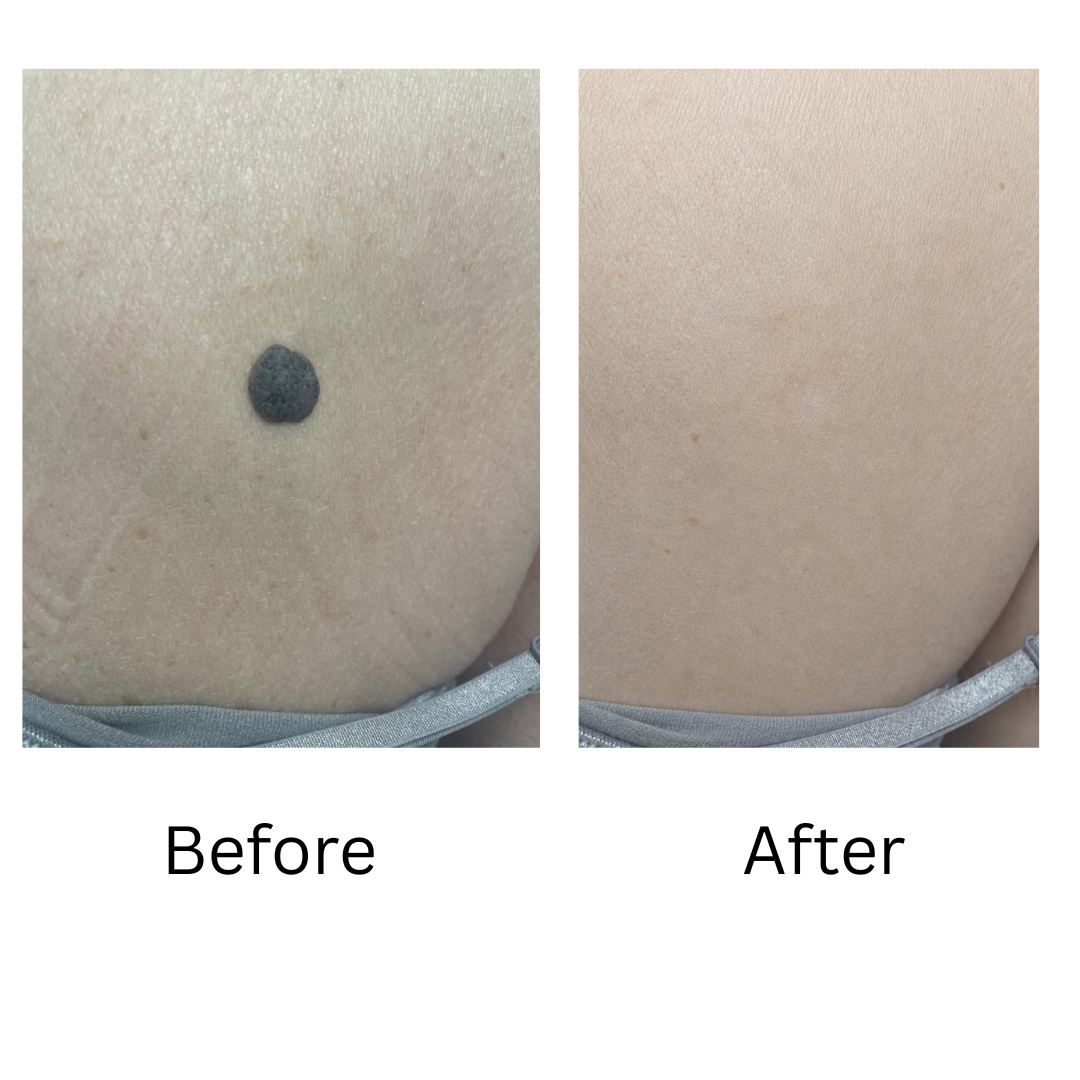
Before and After Results

We offer assessment and treatment for individual and multiple seborrheic keratosis lesions that are causing cosmetic concern, irritation, or uncertainty. Same-day consultation and treatment may be possible where the lesion is clearly benign and suitable for removal.

Single lesion removal is often chosen for visible growths on the face, neck, or other exposed skin where appearance matters. If a lesion has changed rapidly, become irregular, developed unusual pigmentation, or needs further investigation, Dr Bik or Dr Rinku will advise whether removal, biopsy, or referral to a dermatologist or specialist dermatologists is the safest route.

How it Works

Removal Benefits & Suitability

Seborrhoeic Keratosis Removal

Seborrheic keratosis are benign skin growths that are not usually treated by the NHS for cosmetic reasons, leading patients to seek private dermatology clinics.

Choosing a healthcare professional for seborrhoeic keratosis treatment gives you important benefits:

  • Safe and effective removal: Dr Bik or Dr Rinku will assess the lesion, your symptoms, your skin type, and the best treatment options before recommending removal.

  • Cosmetic improvement: Removal can improve the appearance of visible lesions on the face, neck, and body, helping confidence, self esteem, and overall well being.

  • Reduced irritation: Seborrheic keratosis can catch on clothing, jewellery, or shaving areas, causing redness, swelling, bleeding, pain, or infection risk.

  • Medical reassurance: Some pigmented skin lesions can look similar to skin cancer, so expert advice is important when a lesion changes in colour, form, size, or symptoms.

  • Minimal downtime: In most cases, treatment is quick, and the healing process is straightforward when the treated area clean, moist, and protected.

  • Long-term results: Seborrheic keratosis removal is generally considered a safe procedure with a high level of patient satisfaction, although seborrheic keratosis can develop due to natural skin aging and genetic predisposition, even after removal of existing lesions.

Professional treatment also helps reduce avoidable risks. There is a risk of permanent pigment change after treatment, which can include hypopigmentation or hyperpigmentation, and after seborrheic keratosis removal, the treated area may heal with a scar, which can result in a color difference compared to the surrounding skin. These risks are reviewed during your consultation so you can make an informed choice.

  1. Curettage and Cautery: A common and effective treatment option for many raised lesions. During the seborrheic keratosis removal procedure, the lesion is often scraped off, leaving a graze that is covered with ointment, and sometimes a dressing is applied. Cautery helps seal the treated area and reduce bleeding.

  2. Cryotherapy: This method uses liquid nitrogen to freeze smaller seborrhoeic keratoses. It can be quick and useful for selected lesions, although thicker lesions may require multiple treatment sessions and cryotherapy is not suitable when further investigation or histology is needed.

  3. Shave Excision: A precise removal technique where the lesion is removed close to the surface of the skin. It can be useful when a smoother cosmetic result is desired or when tissue may need to be reviewed.

Our Seborrheic Keratosis Removal Process

Step 1: Initial Consultation

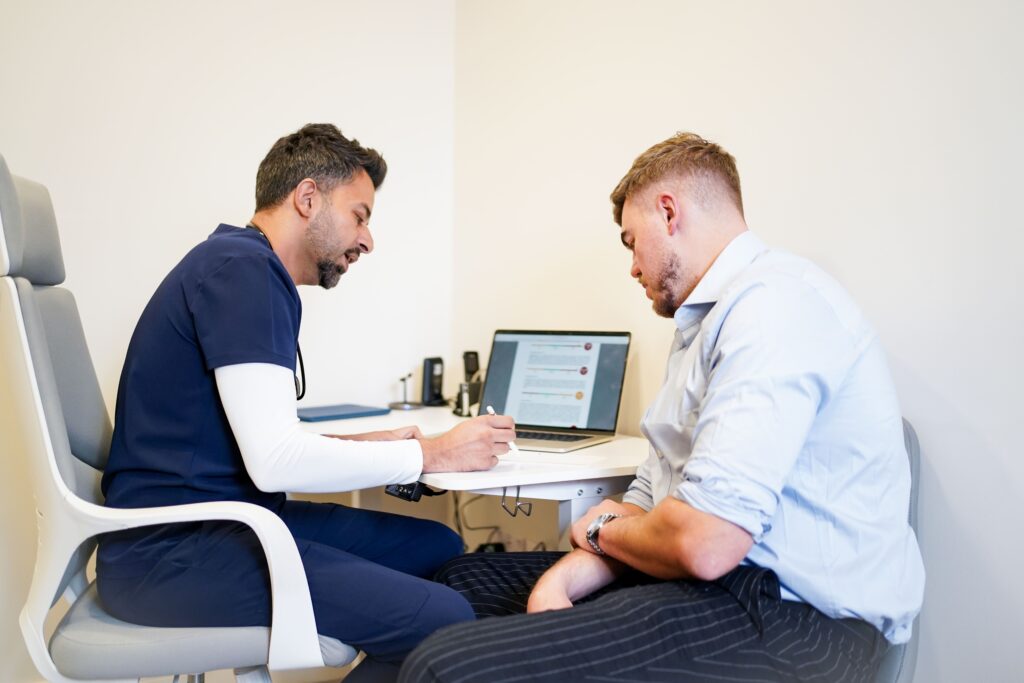
Your consultation begins with a comprehensive skin examination by Dr Bik or Dr Rinku. We assess the lesion’s appearance, colour, thickness, location, symptoms, and whether it looks like a typical seborrheic keratosis or another type of skin lesion.

This step is important because changing or newly appearing growths should be professionally assessed to rule out other skin conditions like melanoma. If there is any concern about skin cancer or an unusual lesion, we will explain whether further investigation is required before cosmetic removal.

Step 2: Treatment Planning

We discuss the treatment options most suitable for your lesion or lesions, including curettage and cautery, cryotherapy with liquid nitrogen or shave excision. The best treatment depends on the affected area, your skin type, whether the lesion is on the face or body, your healing time priorities, and whether histology is needed.

We also review expected outcomes and risks, including pain, redness, swelling, infection, scarring, pigmentation changes, and rare cases where healing may take longer than expected. There is a possibility that seborrheic keratosis may recur after removal, necessitating further treatment.

Step 3: Professional Removal

Your treatment is performed in our dedicated minor surgery suite in Edgbaston. Local anaesthetic is used for comfort when curettage, cautery is performed, so the procedure is usually well tolerated.

The lesion is treated carefully to remove the unwanted growth while protecting the surrounding skin as much as possible. We also treat other suitable minor skin concerns in clinic, including selected skin tags and warts, while conditions such as acne scarring, plantar warts, hair loss, or complex mole removal concerns may need a separate assessment or different treatment pathway.

Step 4: Aftercare Support

After removal, you receive clear aftercare instructions to help the wound heal properly. We recommend keeping the treated area moist and protected to encourage clean healing and minimise scarring.

After seborrheic keratosis removal, it is recommended to apply Vaseline to the wound two to four times per day to keep it moist and promote healing. If the wound has been dressed, the dressing should be removed after 48 hours, and the wound should be cleansed with warm water and a cotton pad before reapplying Vaseline and a new dressing.

Sun protection is important while the skin is healing, especially on the face and neck, because pigmentation changes can occur. Some patients may experience noticeable redness in the treated area for several weeks following the procedure. After the scab falls off, the new skin may initially appear pink and will blend with the normal skin tone over a few weeks to months.

Why Patients Trust Us

Seborrhoeic Keratosis Removal

CQC Regulated

Seborrhoeic Keratosis Removal

Expert Doctors

Seborrhoeic Keratosis Removal

5 Star Clinic

Over 200 5-Star Google Reviews

Seborrhoeic Keratosis Removal

Clinical Setting

Safe & Luxurious Clinic Rooms

Seborrhoeic Keratosis Removal

Same Day Appointments

Evening & Weekend Availability

Seborrhoeic Keratosis Removal

Transparent Pricing

From £399

Meet Our Doctors & Explore Our Clinic

As a CQC regulated, doctor-led clinic based in Edgbaston, The Doctors Practice provides a level of expertise and safety that sets us apart from non-medical providers. We serve patients from across Birmingham and surrounding areas including Wolverhampton, Walsall, Solihull and Sutton Coldfield.

Dr Bikram Ratti
Dr Rinku Ratti

Patient Trust and Reviews

Seborrhoeic Keratosis Removal

FAQs

The procedure itself should be completely pain free thanks to local anesthetic. You’ll feel a brief pinch when the anaesthetic is injected similar to a small needle prick but once numb, you shouldn’t feel any sharp pain. Some patients report slight discomfort or pressure sensations, but nothing more. Most describe the experience as far easier than expected.

The procedure time depends on the number, size, thickness, and location of the lesions. A single lesion may be treated during a short appointment, while multiple seborrhoeic keratoses on the chest, back, or body may need a longer session or multiple treatment sessions.

Your consultation includes time to assess the skin, explain the treatment, obtain consent, numb the affected area if needed, perform the removal, and review aftercare.

The healing time after seborrheic keratosis removal is generally about 7 days for facial lesions and approximately 14 days for those on the body.

The wound from seborrheic keratosis removal typically takes about 7 days to heal if located on the face and about 14 days if on the body. Healing may take several weeks for redness to fade, and pigmentation can continue to settle over weeks to months.

Healing time can vary depending on lesion size, skin type, the treatment used, whether the area is rubbed by clothing, and how closely aftercare instructions are followed.

Yes. Because we use local anaesthesia rather than sedation, you’ll be fully awake and alert throughout. There’s no reason you can’t drive yourself home afterwards. The only exception might be if we’ve treated a mole on your dominant hand and you feel the numbness affects your grip in which case, wait until sensation returns.

No. You can self-refer directly to The Doctors Practice without needing to see your GP first. Simply book an appointment online or call our reception. If you do have a GP referral letter, bring it along, but it’s not required for us to see you.

We generally advise avoiding strenuous exercise for 1-2 weeks after mole removal, particularly activities that stretch the skin or cause sweating over the wound site. Swimming should be avoided until the wound is fully healed (usually 10-14 days minimum) to reduce infection risk. Gentle walking and normal daily activities are fine from day one.

Yes. Dr Bik and Dr Rinku regularly remove lesions from the face, neck, and other sensitive areas. We use fine sutures and precise techniques to minimise scarring in visible locations.

If Dr Bik or Dr Rinku have any concerns about a lesion, they’ll discuss this with you honestly. Options may include sending the tissue for histology, referral to a consultant dermatologist, or recommendation for NHS urgent referral if melanoma is suspected. We’re extremely professional in handling these situations and will guide you through every step.

Most lesion removal surgery will leave some form of scar – this is unavoidable. However, our doctors use techniques designed to achieve minimal scarring with a small scar that fades significantly over time. Shave removal typically leaves a flat, slightly pink area. Surgical excision leaves a thin linear scar. With proper aftercare, most scars become barely noticeable within 6-12 months.

Articles